Locksmith in Scarborough Village, OntarioMaster keysfor buildings in Scarborough Village
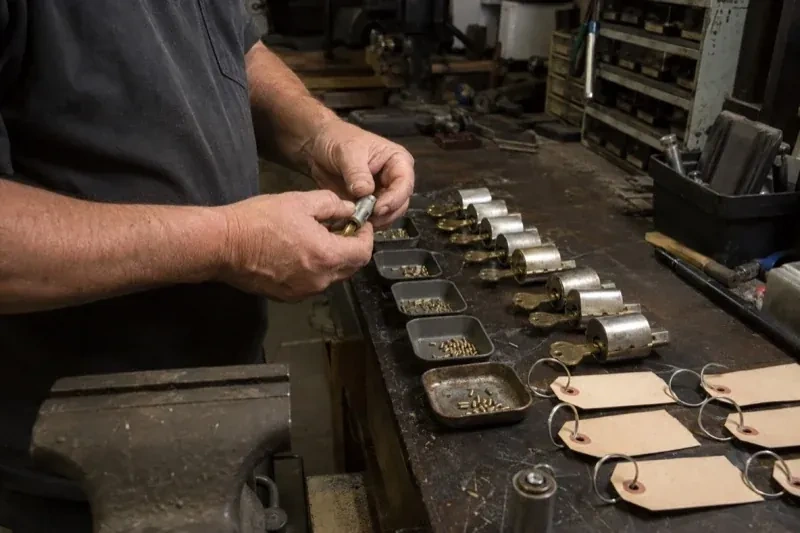
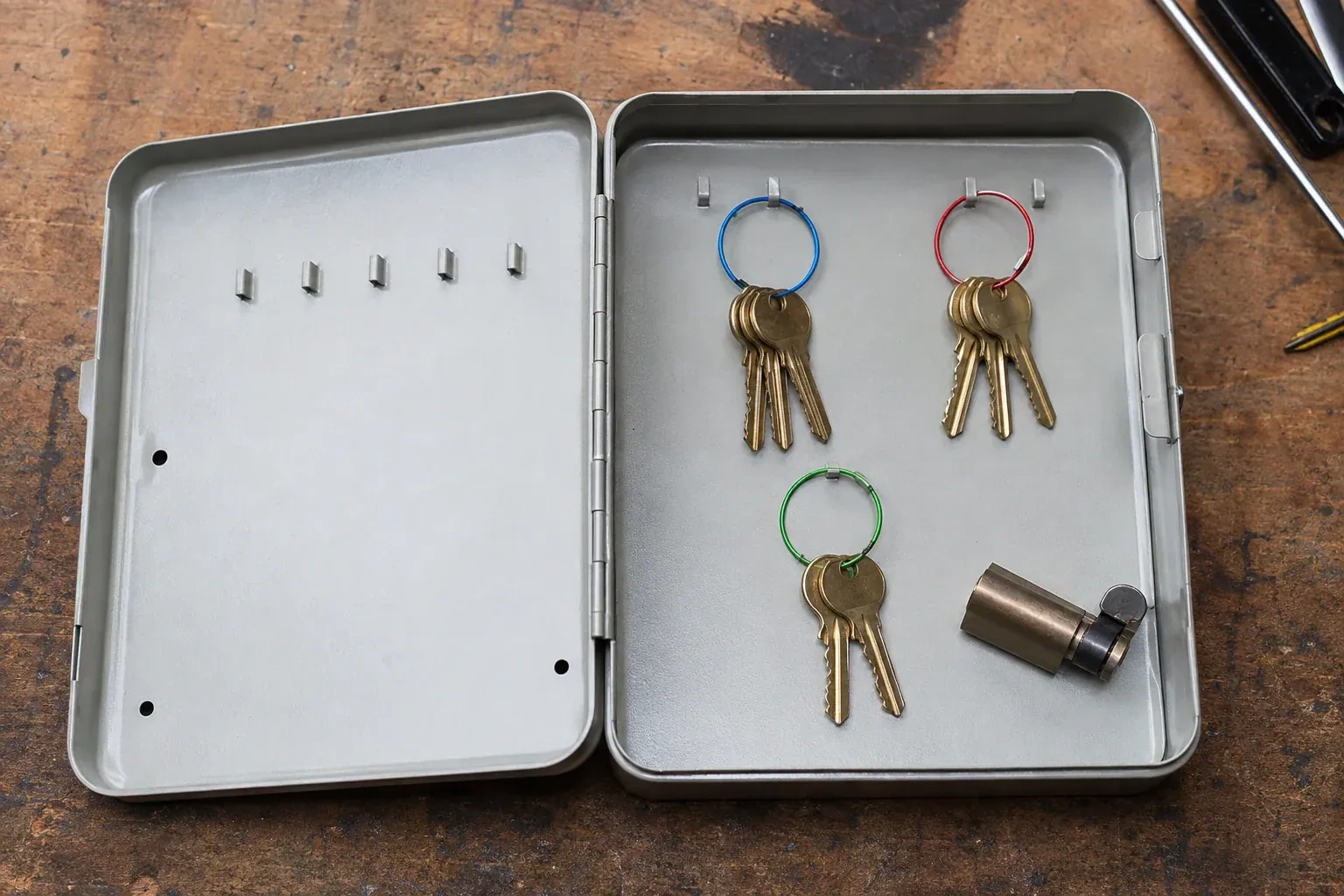
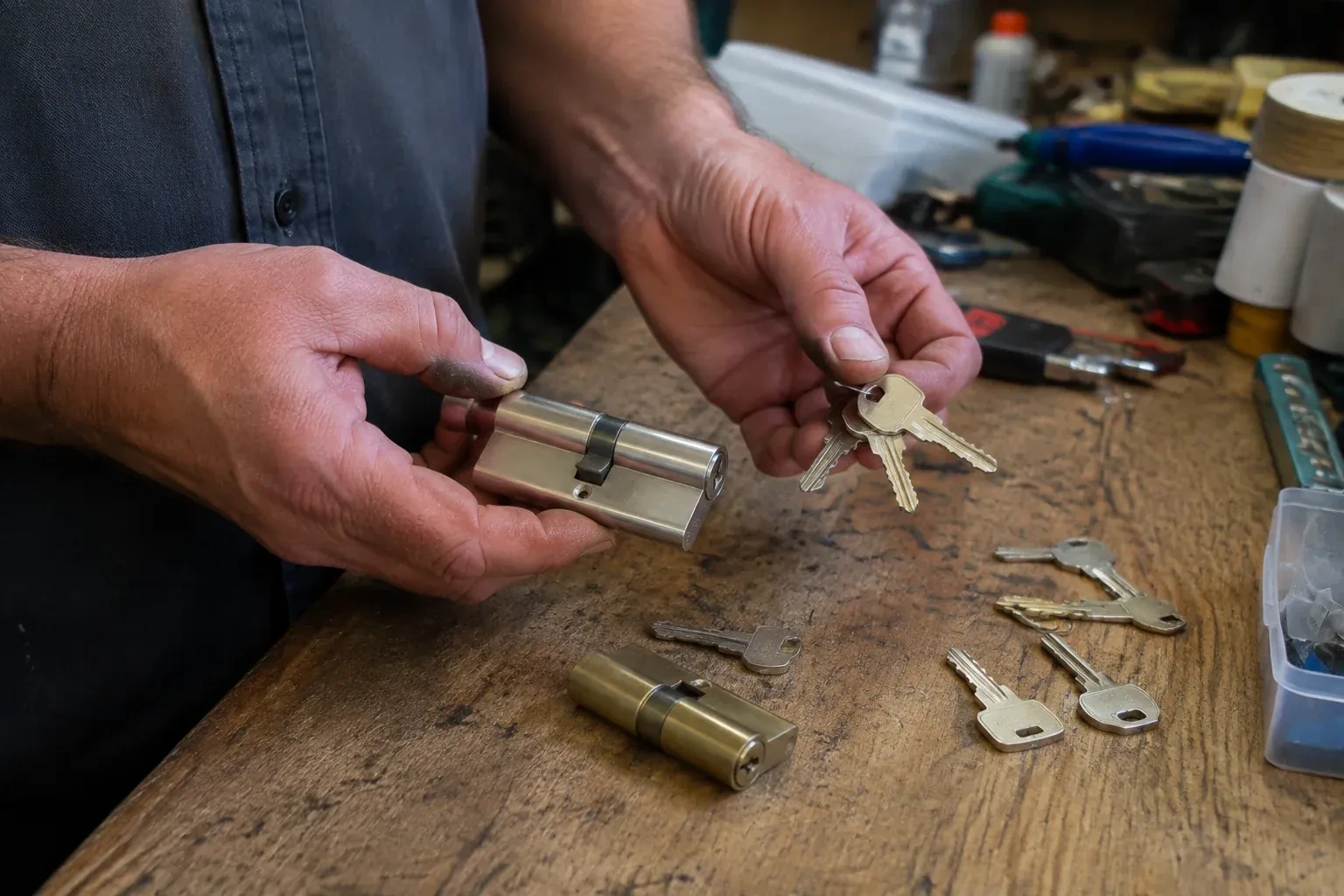
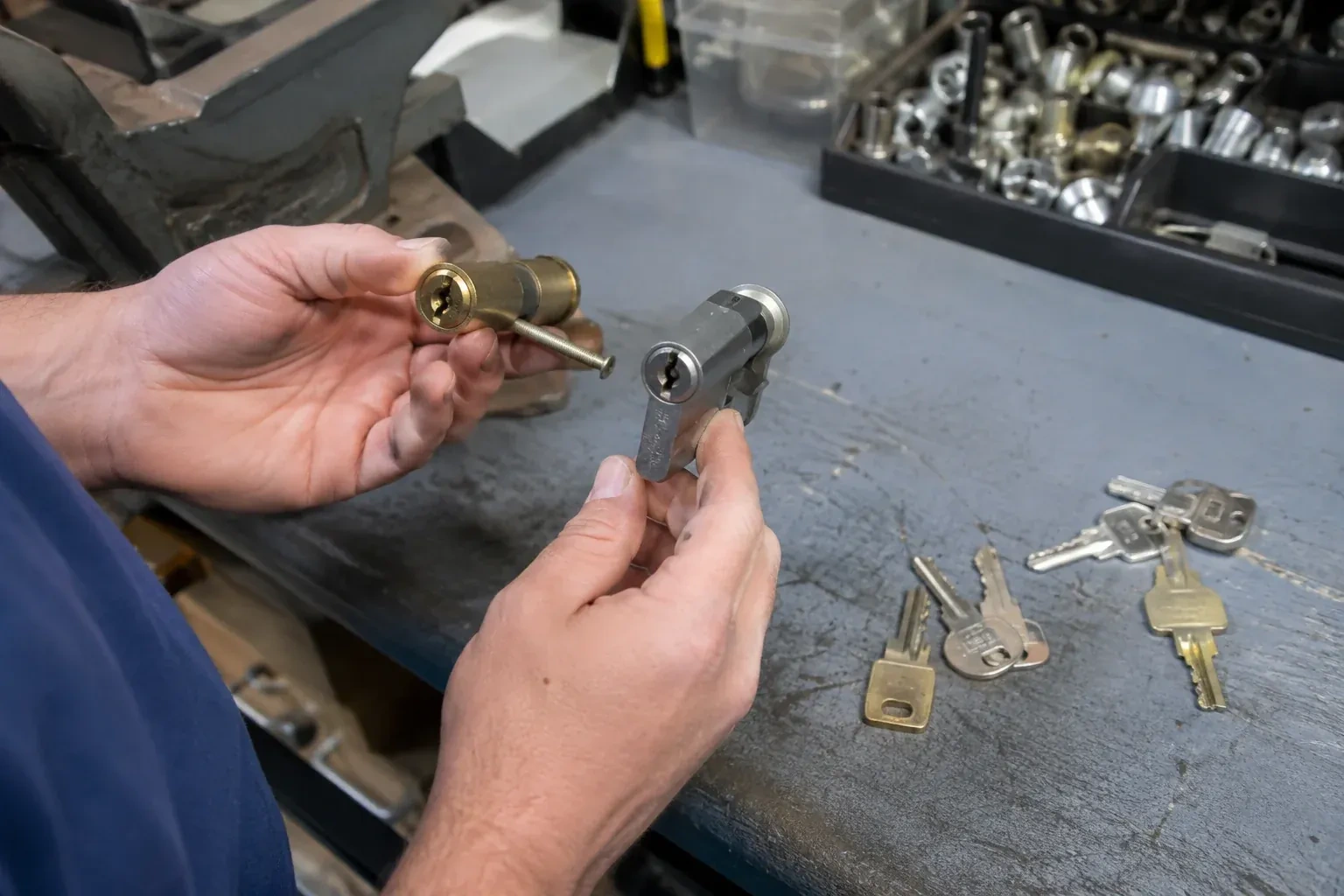
A small apartment building, a clinic with six rooms, a shop with a back office: each in Scarborough Village benefits from one key that opens everything and individual keys that open only what they should. We design the system, pin the cylinders, and record who holds which key so it stays manageable.
A small apartment building, a clinic with six rooms, a shop with a back office: each in Scarborough Village benefits from one key that opens everything and individual keys that open only what they should. We design the system, pin the cylinders, and record who holds which key so it stays manageable.
Honest advice about your locks.
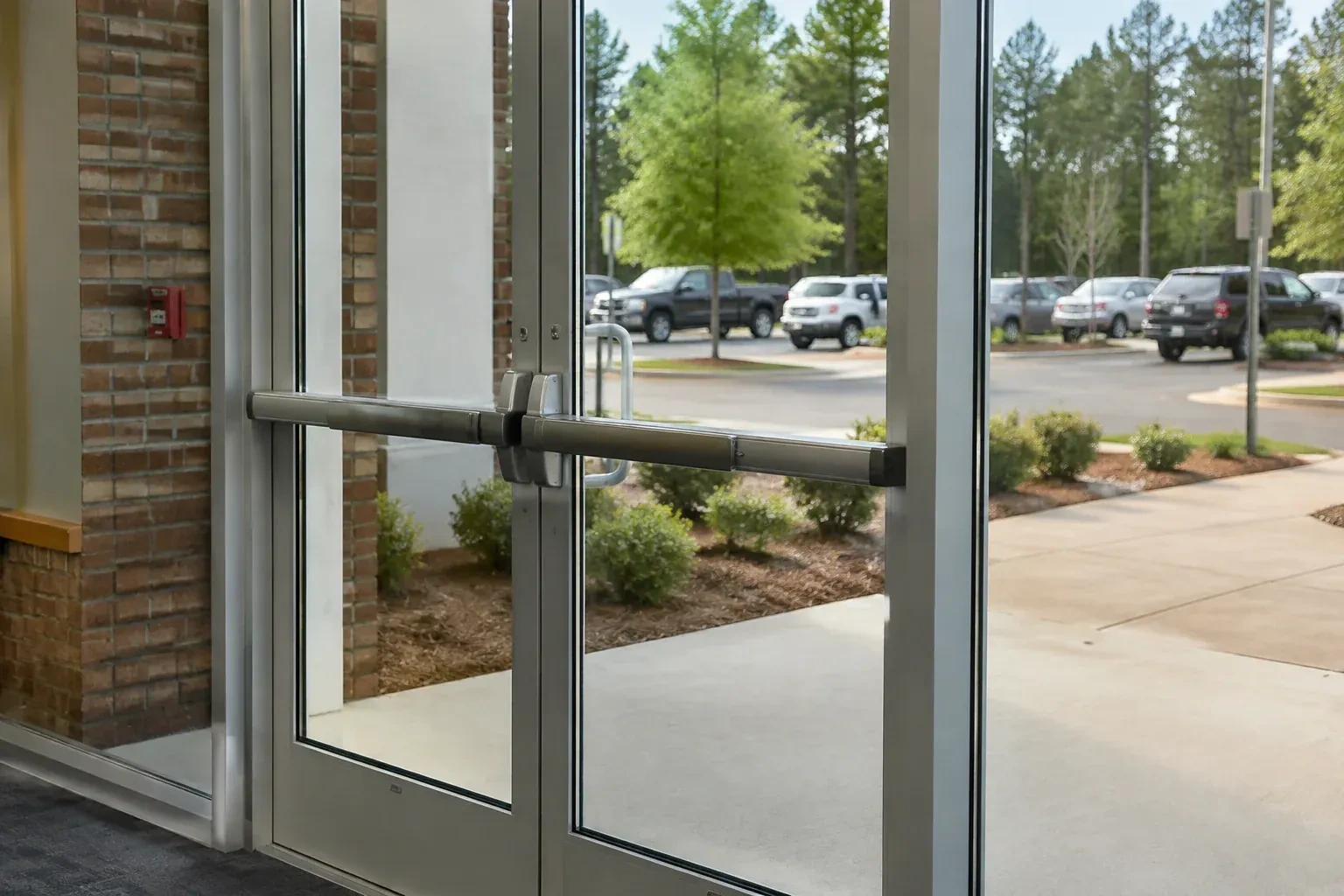
Commercial customers in Scarborough Village get a locksmith who understands traffic. A storefront door swings hundreds of times a day, and hardware chosen for a house will not last on it. We fit closers, lever sets and exit devices built for that use, adjust them so the door latches on its own, and schedule a service visit before anything wears out.
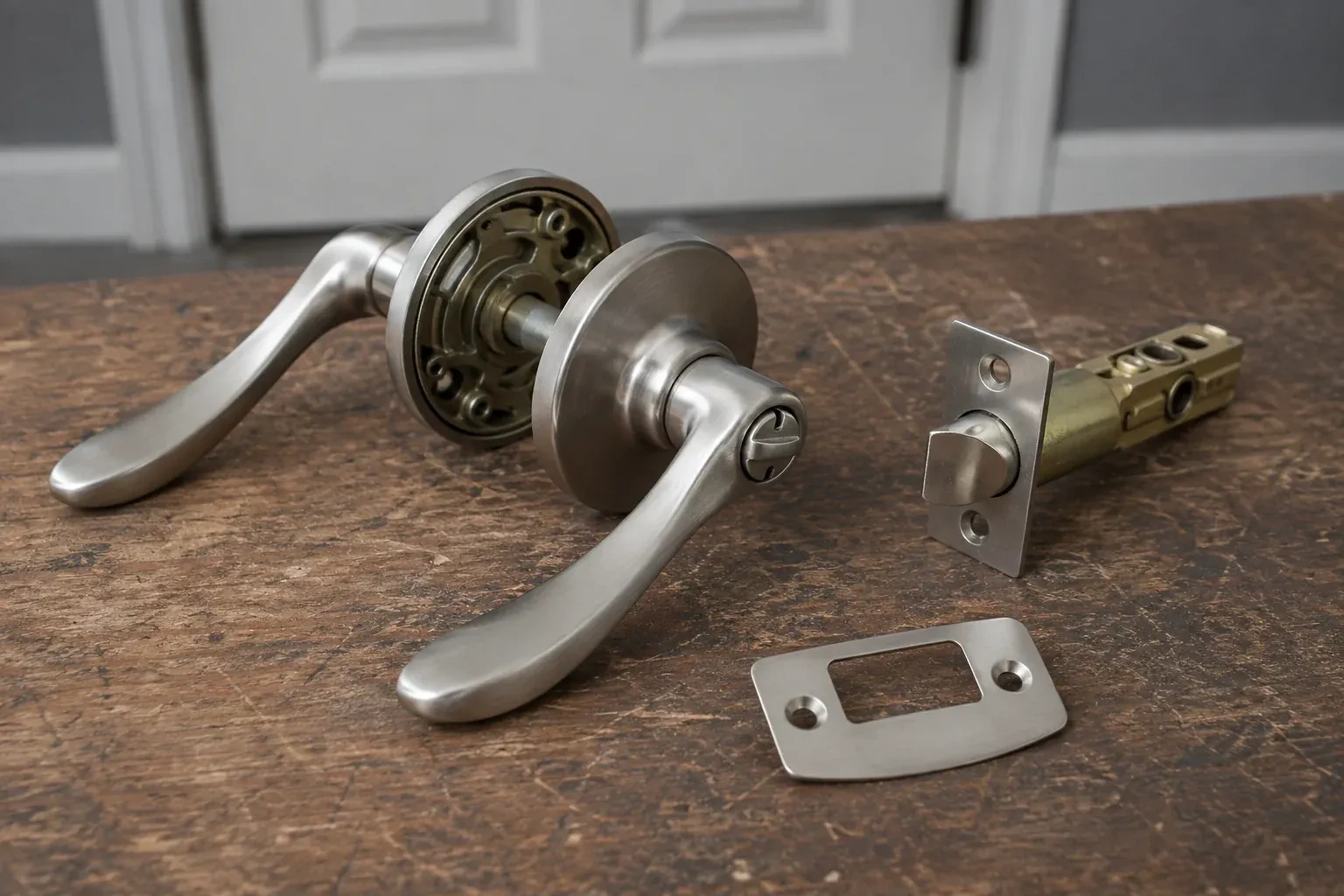
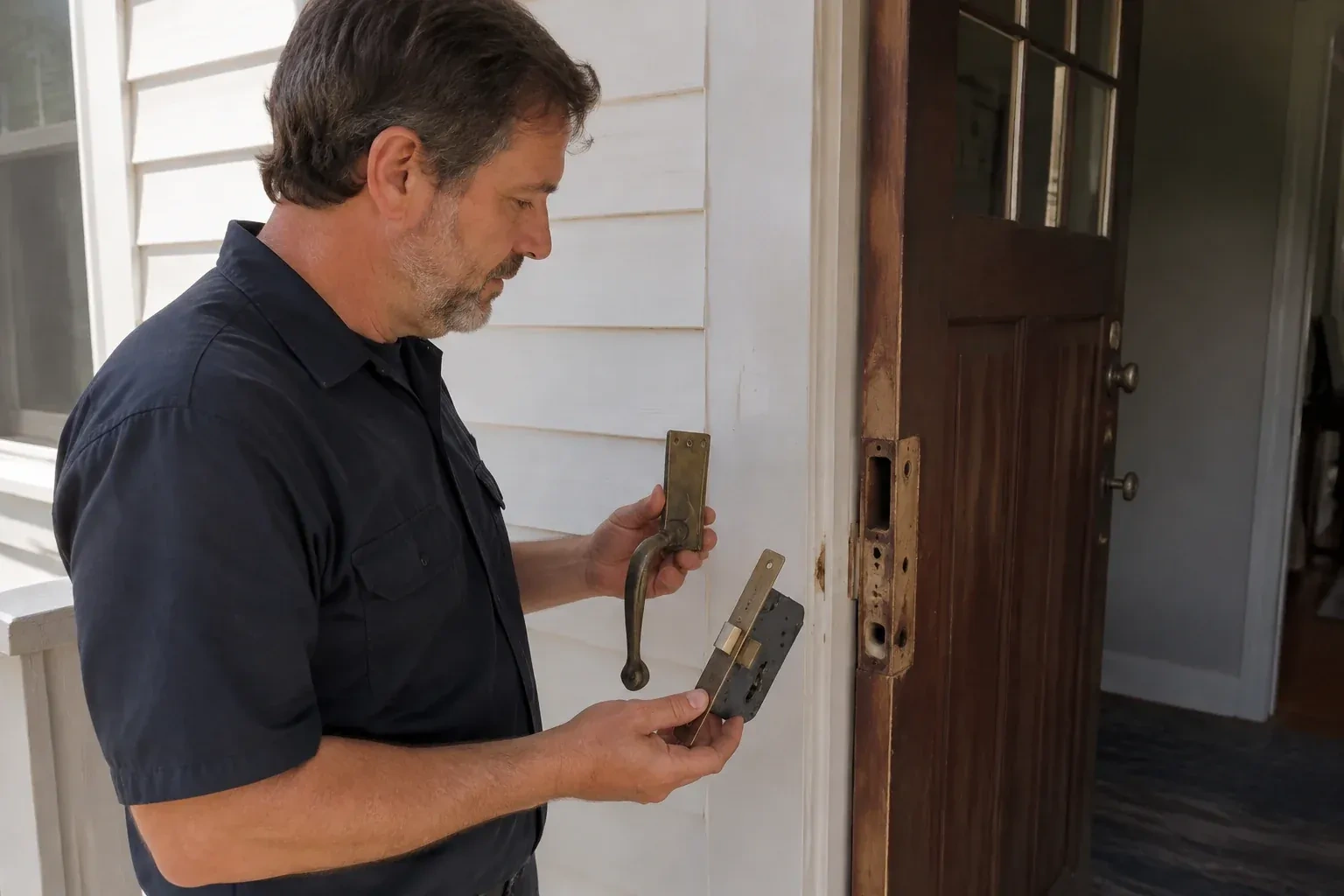
The housing in Scarborough Village spans several decades, and each period brings its own hardware. Older doors may need shims and odd-sized parts to take a modern deadbolt; newer builds often share the same factory locks, which rekey cleanly. We carry both kinds of stock and explain what we find in plain words, so you know exactly what is on your door and why.
15years in business
24/7open every day
A look before a verdict. We inspect the door, frame and lock before suggesting anything. Diagnosing from the driveway is how people end up with parts they did not need.
Two or three real choices. Where there are sensible alternatives we explain them side by side, including the option of doing less than you expected.
The job finished properly. Tested, aligned, cleaned up and demonstrated. We do not consider a lock done until you have turned the key yourself.
Ready when you are, anywhere in Scarborough Village
A door in Scarborough Village has more parts than most people think: the cylinder, the latch, the deadbolt, the strike, the closer, the hinges and the frame around them all. The services listed here touch every one of those parts, from a straightforward rekey to a full storefront hardware overhaul.
About 58% of homes in Toronto were built in 1980 or earlier, according to the 2021 Census.
Older homes
Decades of seasons move a frame, and an older house often has a front door that locks easily in summer and fights in winter. Setting the strike with the seasons in mind, and choosing a lubricant that stays fluid in the cold, keeps it working year round.
Single-detached houses make up about 23% of homes in Toronto (2021 Census).
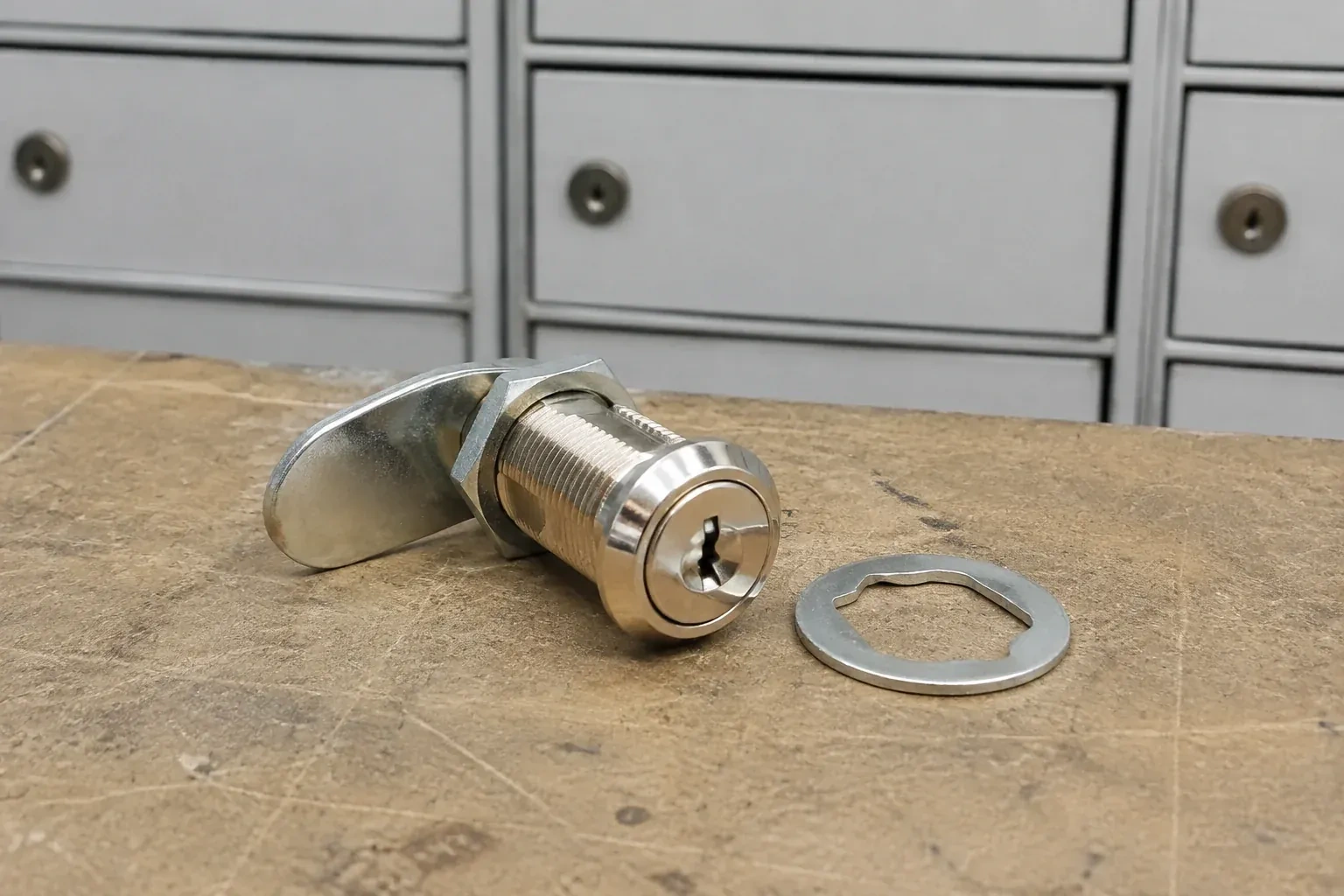
Where housing is mostly apartments and condos, mailbox locks are a regular call. A worn or lost mailbox key is a small job that a locksmith handles alongside the suite door, and the new lock comes with fresh keys cut on the spot.
Most people think of the lock. Burglars think of the frame. A box strike with long screws into the stud, a reinforcing plate along the door edge and a bolt that reaches deep into the jamb do more against a kick than any cylinder alone.
You have lost count of how many people have had a key to your house over the years: cleaners, a contractor, a former partner, the previous owner's family.
You bought a keypad deadbolt online and pulled the old one off, only to find the hole in the door is a different size and the bolt latch sits at a backset the new kit does not list.
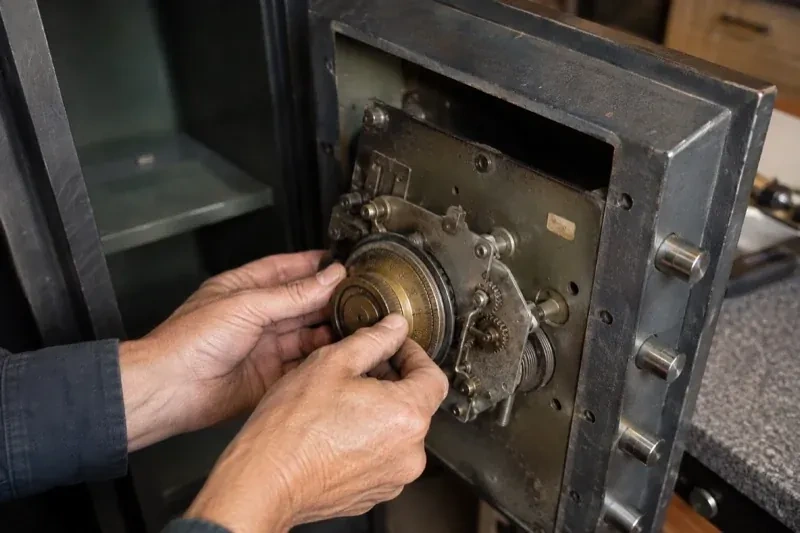
The new manager took over the shop last month and only now needs the back-office safe open, but the combination the previous owner was supposed to leave in writing never turned up anywhere in the handover file.
The till drawer has been holding two days of cash because the new shop never got a proper safe, and a locked drawer under the counter is the only thing standing between that cash and anyone who works late.
Which fix fits?
The spare under the planter by the side door is gone.
WhyA key ring rarely holds only house keys, so a same-visit rekey looks at everything that was on it.
You bought a keypad deadbolt online and pulled the old one off, only to find the hole in the door is a different size and the bolt latch sits at a backset the new kit does not list.
WhyA master key hierarchy usually has three layers.
Head office wants every branch keyed alike under one system, and half the locations are still running whatever lockset the original contractor happened to install years ago.
WhyMaking a spare before the original goes missing is simpler than making one after, because the whole process is built from a working key to read or trace from.
Your key turns smoothly in the driver's door, the same as it always has, but the button underneath stays down and the latch never releases.
WhyVehicle Lock Repair addresses a single locking point, a door, the trunk or hatch, or a storage compartment, that has stopped behaving like the rest of the vehicle.
Two keys came with the scooter: one for the ignition and steering, an entirely different one for the seat and the storage compartment underneath it, so opening the seat means carrying twice the metal.
WhyThe visit follows a steady order regardless of what caused the missing key.
How a visit goes
Describe the property, the hardware and what has changed, and the visit starts from what you have seen.
1
2
3
01
Making the door safe first
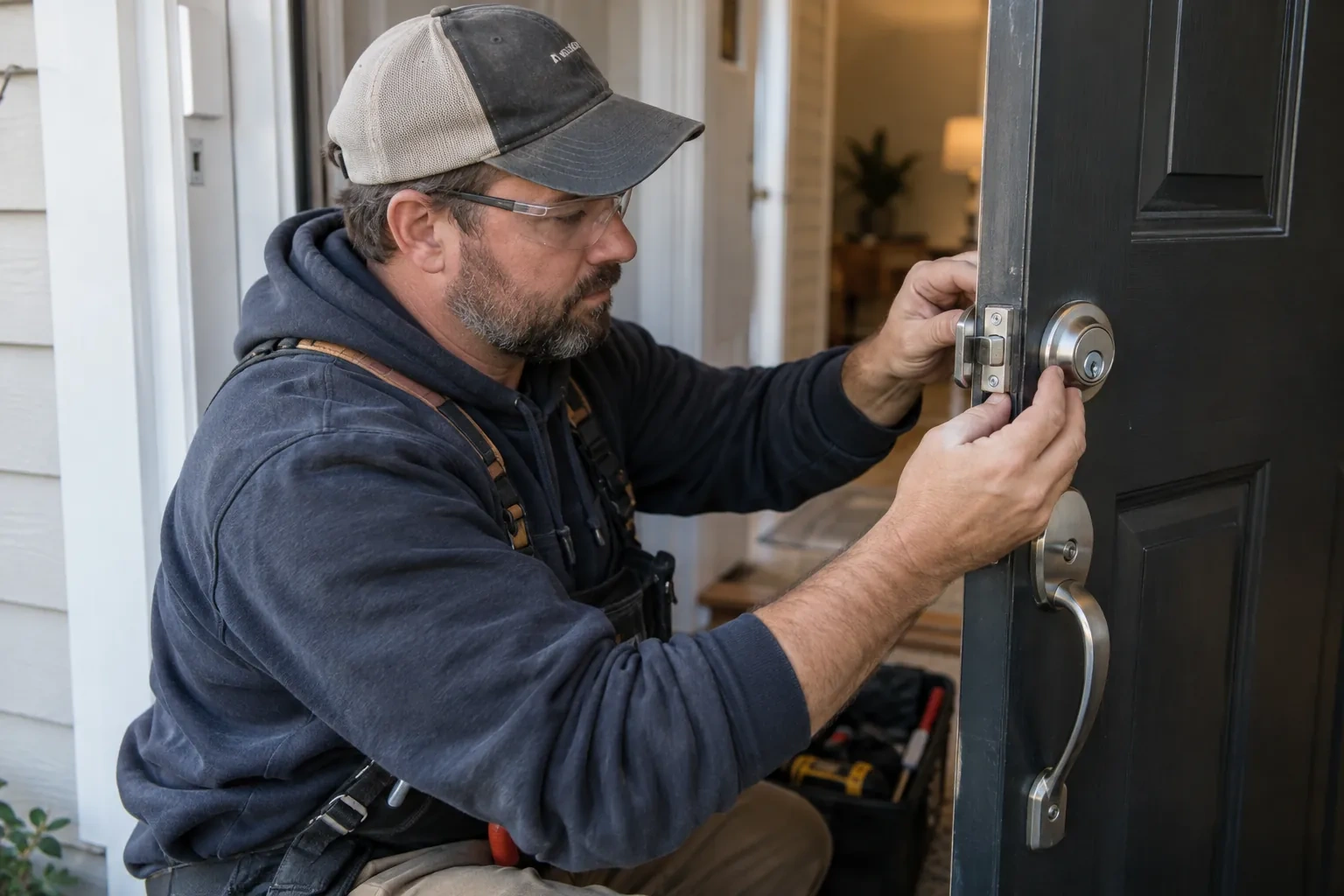
The priority is a door that closes and locks tonight. We assess the frame, the strike and the lock, and secure whatever was forced so you can stop worrying about the opening.
02
Sorting permanent from temporary
Some damage needs a proper repair later; some can be fixed on the spot. We separate the two clearly and explain what a lasting fix involves without pushing you into it.
03
Rekeying or replacing
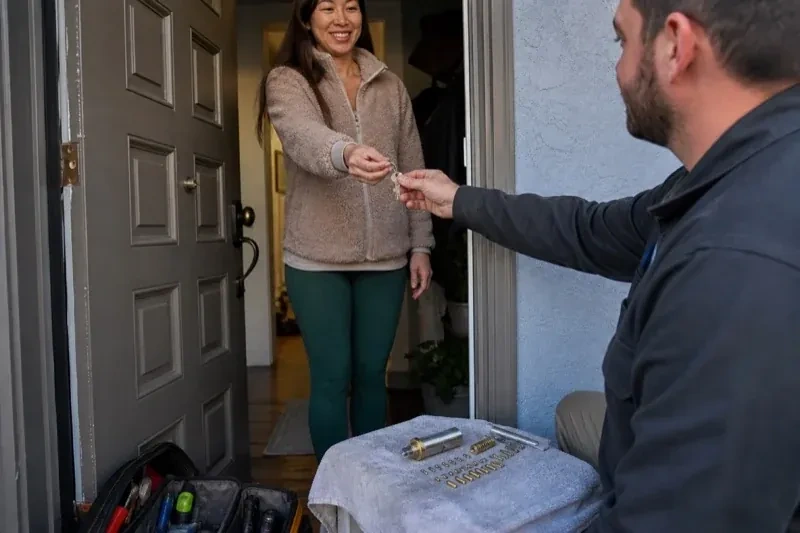
If keys were taken or the lock was compromised, we rekey or replace before leaving. You end the visit with a door that locks and keys that only you hold.
Good days. Start with a turn.
1/9Lost Keys — Same-Visit Rekey
The spare under the planter by the side door is gone. Everyone in the family swears they did not take it, the planter has clearly been shifted, and you have no idea how long ago that happened.
You bought a keypad deadbolt online and pulled the old one off, only to find the hole in the door is a different size and the bolt latch sits at a backset the new kit does not list. The door is now open and the box is on the counter.
A neighbour mentions, in passing, that the key from three tenants ago still lets him into the building's front door. Nobody changed it after he moved out, and now the property manager wants to know exactly how many keys are still floating around out there.
The renovation is finished and the contractors have gone, along with the loaner keys they used for six weeks. Trades, delivery drivers and an inspector all came through, and the front door still answers to the key that was passed around the site.
The new wing was built with its own brand of cylinder, so the two-year-old keys from the original building do not open a single door in the addition. Staff are now carrying two separate key rings just to move around one workplace.
Head office wants every branch keyed alike under one system, and half the locations are still running whatever lockset the original contractor happened to install years ago.
The proximity fob has ridden in a pocket for years, the range feels shorter than it used to, and a dashboard warning mentioned a battery a while back. Nobody has sorted out what happens on the day it finally goes dark.
Your key turns smoothly in the driver's door, the same as it always has, but the button underneath stays down and the latch never releases. The passenger side opens without any trouble, so the key itself is clearly not the source of the trouble.
Two keys came with the scooter: one for the ignition and steering, an entirely different one for the seat and the storage compartment underneath it, so opening the seat means carrying twice the metal.
Lock manufacturers list moving as one of the main reasons to rekey, and it is easy to see why: previous owners, their relatives, a cleaner, a dog walker and a contractor may all hold copies you know nothing about. Rekeying every exterior cylinder in one visit resets the count to the keys in your hand, and it is a convenient moment to put every door on a single key as well.
Will drilling a new deadbolt damage my steel or fibreglass door?
Not when it is done for that door. Steel-clad doors are cut with a fine-toothed hole saw run slowly through the skin, guided by a jig so the saw cannot skate on the smooth face, and finished from both sides so each skin stays clean. Fibreglass is scored first so the surface does not chip. Shavings are vacuumed from the foam core, and the edge is finished with a collar or plate suited to the stile inside.
How do you decide whether to repair a gate lock or replace it?
The decision follows what the assessment actually finds rather than the age of the hardware alone. A cylinder that is only stiff or slightly worn is usually serviced and left in place, while one that is pitted, cracked or built to a grade unsuited to its exposure is replaced. The same logic applies to a closer or hinge: adjustment first, replacement only once the part itself has genuinely failed. You are told which category the hardware fell into and why before any work proceeds.
What is a keying chart and why does it matter afterwards?
A keying chart is a plain list of every opening, the key group that operates it, the code stamped on those keys and the number issued. Months later it lets you answer exactly which doors a missing key opened, and it lets a locksmith add a new door to the system without changing anything else. Keep it with the key register, somewhere locked, with a copy off site.
What happens if a master-level key goes missing?
The current chart shows exactly which doors that level was designed to reach, which for a lost top-level master can mean the whole property rather than one group. Depending on how the key was lost and who else already holds that level, the usual options are repinning the affected cylinders and reissuing keys to the remaining holders; a restricted keyway lowers the odds of an unauthorized copy being cut but is not proof that one has not been made. Without a current chart, the first task is reconstructing that scope.
How does this service differ from a home lockout or residential rekey?
A home lockout or residential rekey is usually about one door and one household's keys. Commercial-grade lock replacement more often involves a system, several doors, a master key structure, and sometimes a fire or exit rule the door has to satisfy, so the assessment, the hardware selected and the record kept at the end are all built around managing that wider structure rather than a single lock.
How is a proximity or smart key different to duplicate compared to a regular key?
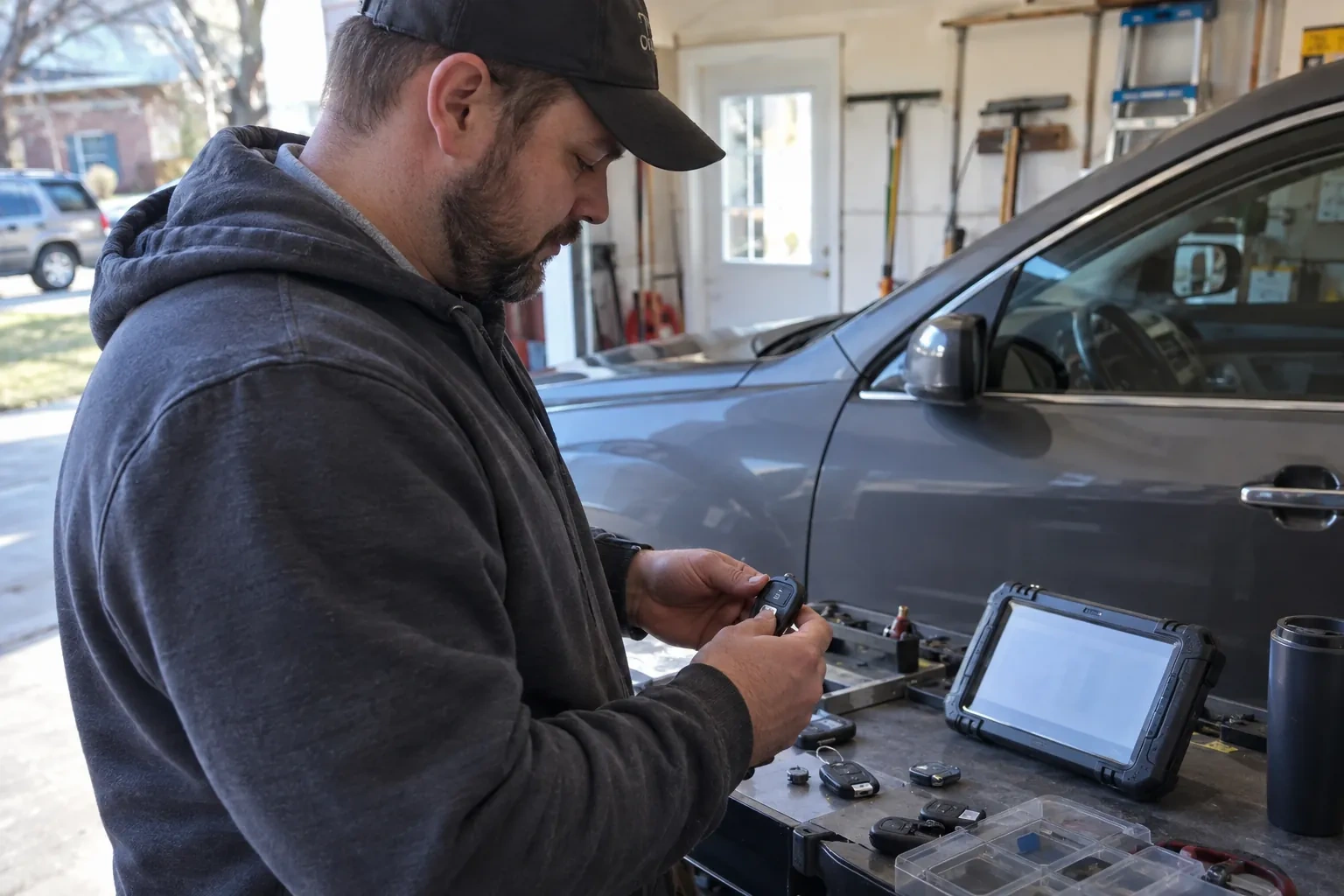
A proximity key usually has no blade to trace, so the process is almost entirely electronic: pairing a new fob to the vehicle's receiver and enrolling it through the diagnostic connection so the car recognizes it as an additional key. Many still hide a small mechanical blade inside the shell for emergencies, and that blade is cut separately to match the door lock, even though it is rarely used day to day.
Is it normal for only the trunk or hatch lock to fail while the doors are fine?
Yes, this happens fairly often because a trunk or hatch lock gets used far less than the door locks and can seize from disuse, dust or corrosion, or spin freely if its own linkage has come loose over time.
Could a key from one motorcycle ever accidentally open a different one?
It is uncommon but not impossible, since wafer locks have a limited number of combinations and manufacturers reuse keyway profiles across models. This is one reason manufacturers space their depth increments further apart than the lock's tolerances strictly require, to cut down on accidental matches. It is also why a locksmith reads the specific lock in front of them rather than assuming a key that looks similar will behave the same way.
Request a visit
Commercial customers in Scarborough Village get a locksmith who understands traffic. A storefront door swings hundreds of times a day, and hardware chosen for a house will not last on it. We fit closers, lever sets and exit devices built for that use, adjust them so the door latches on its own, and schedule a service visit before anything wears out.