Locksmith in Toronto, OntarioRekey. Repair.Replace, if it needs it.
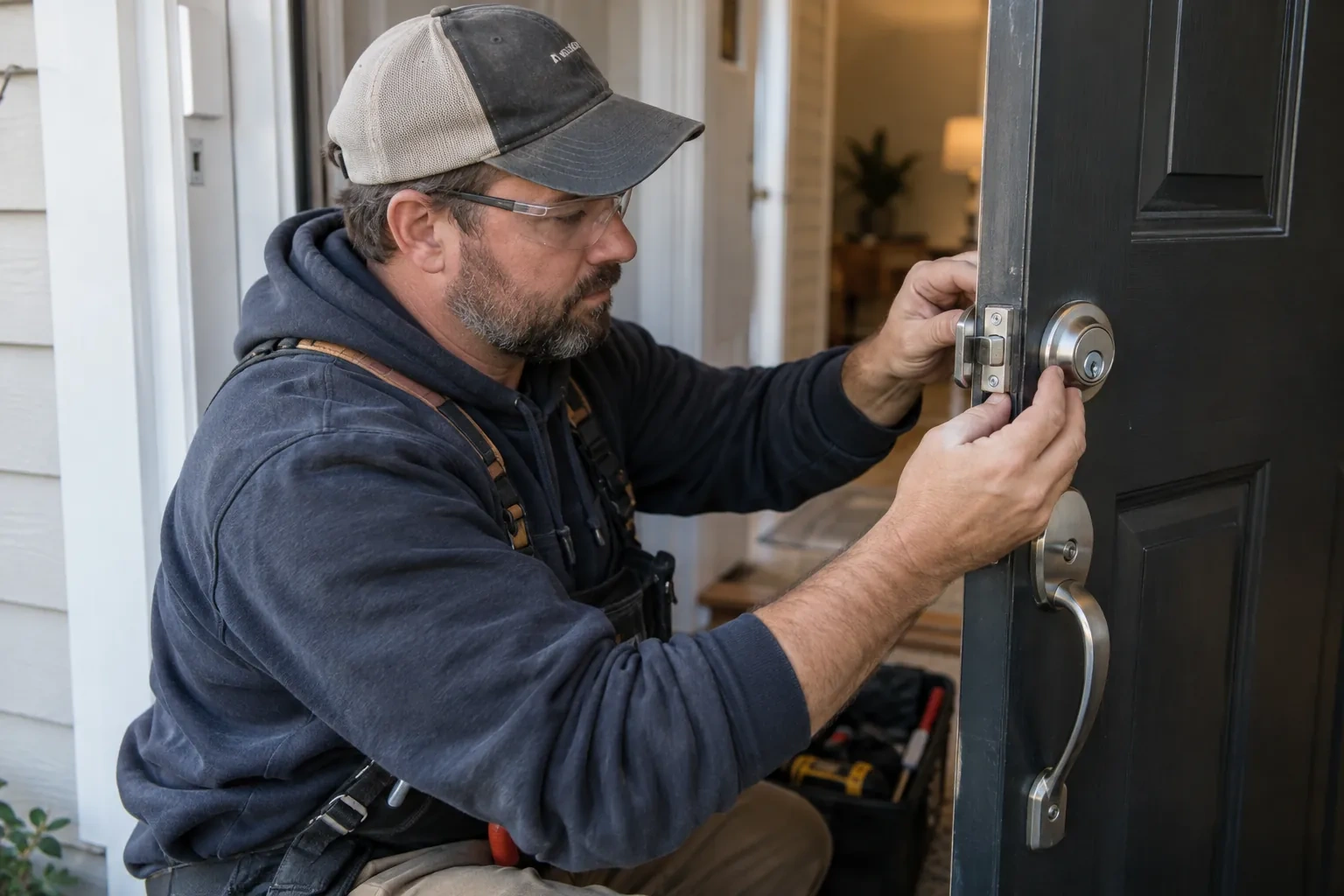
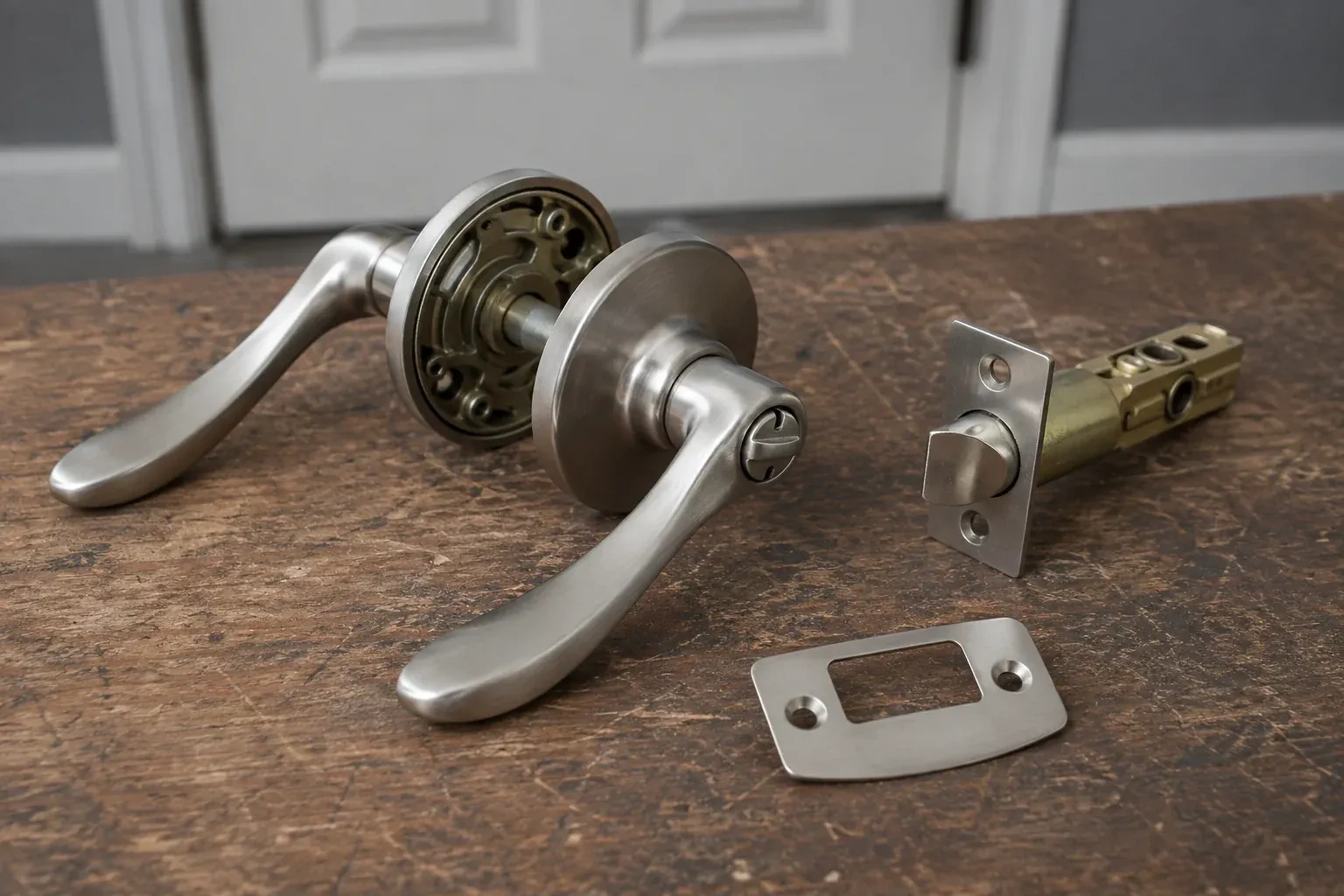
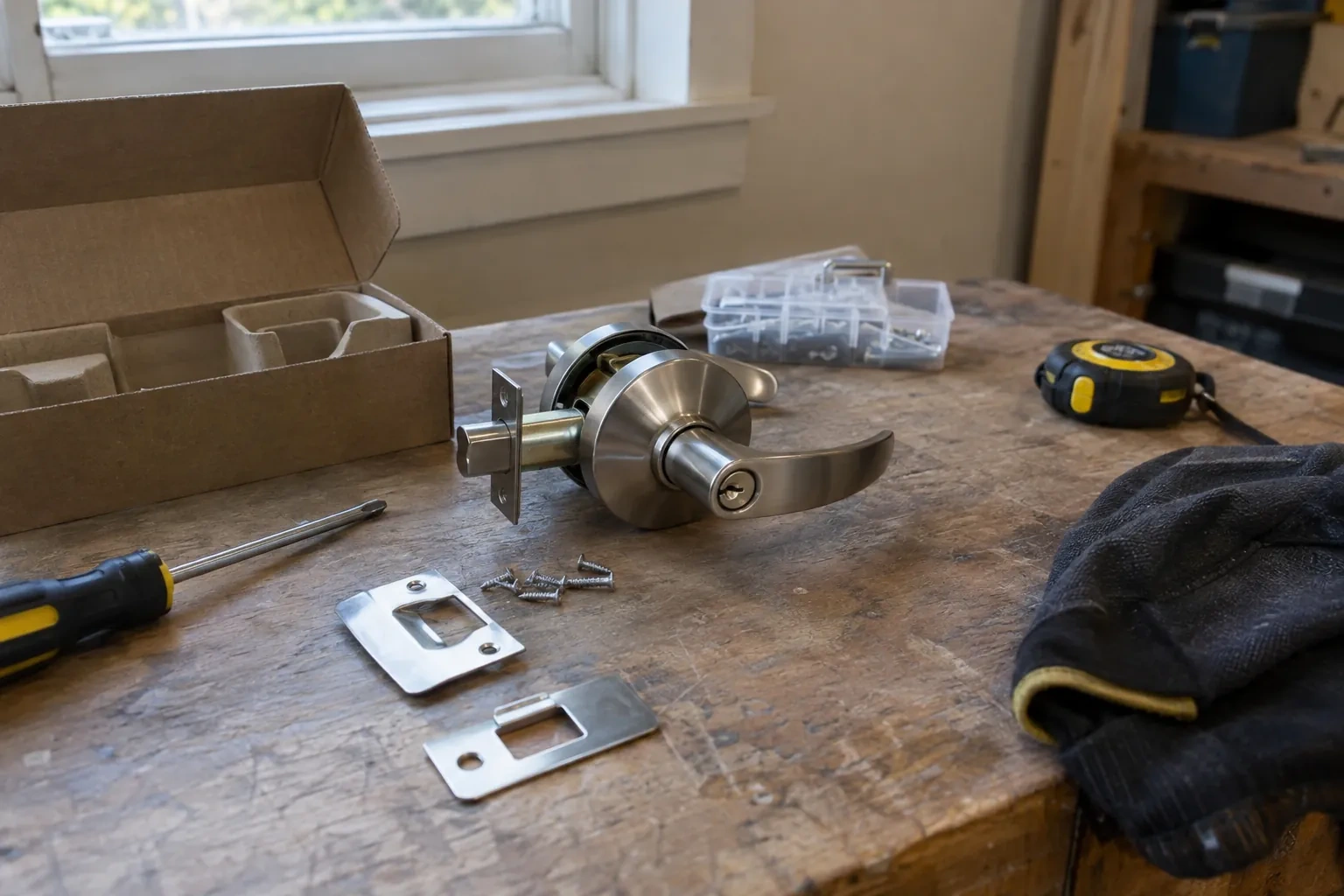
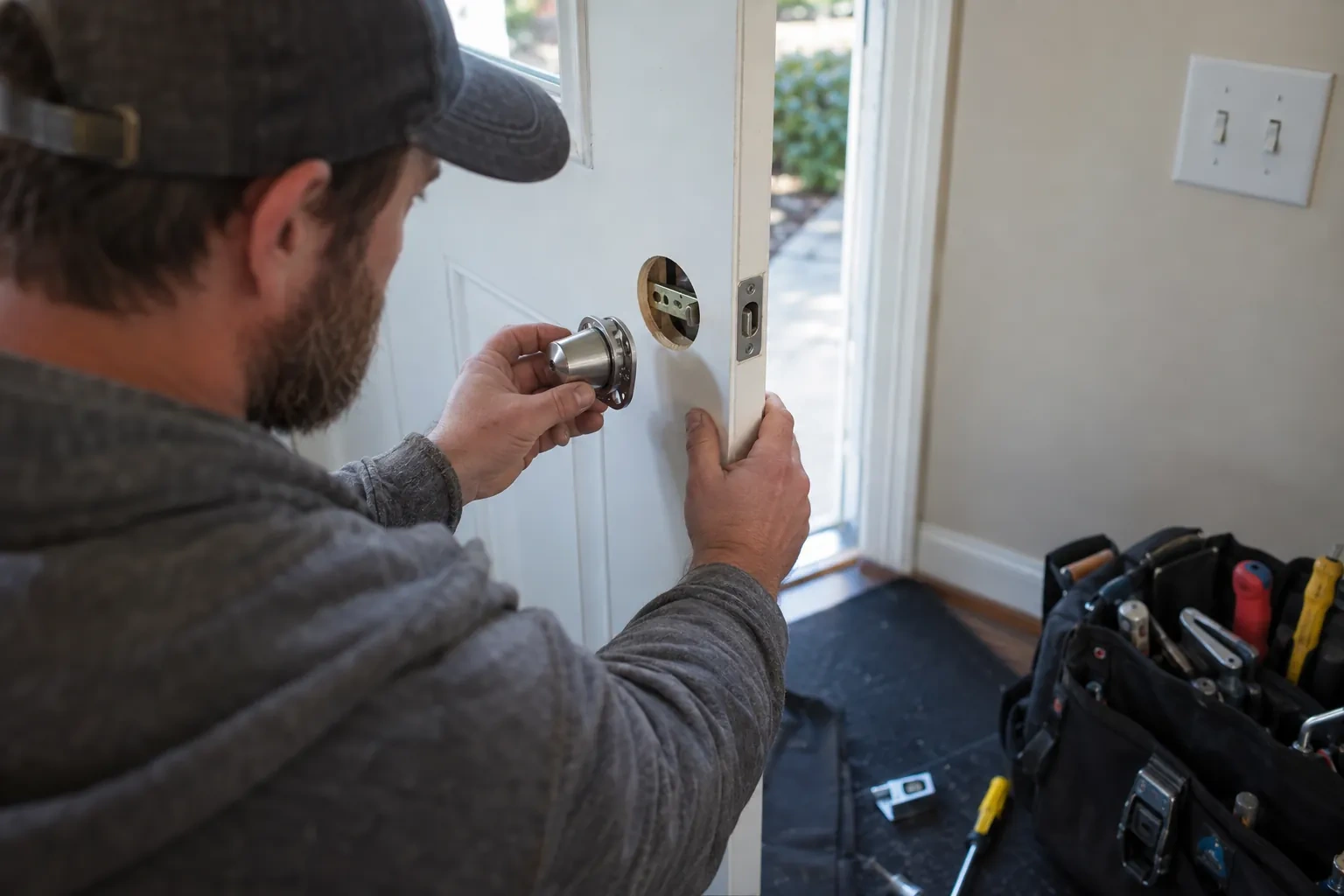
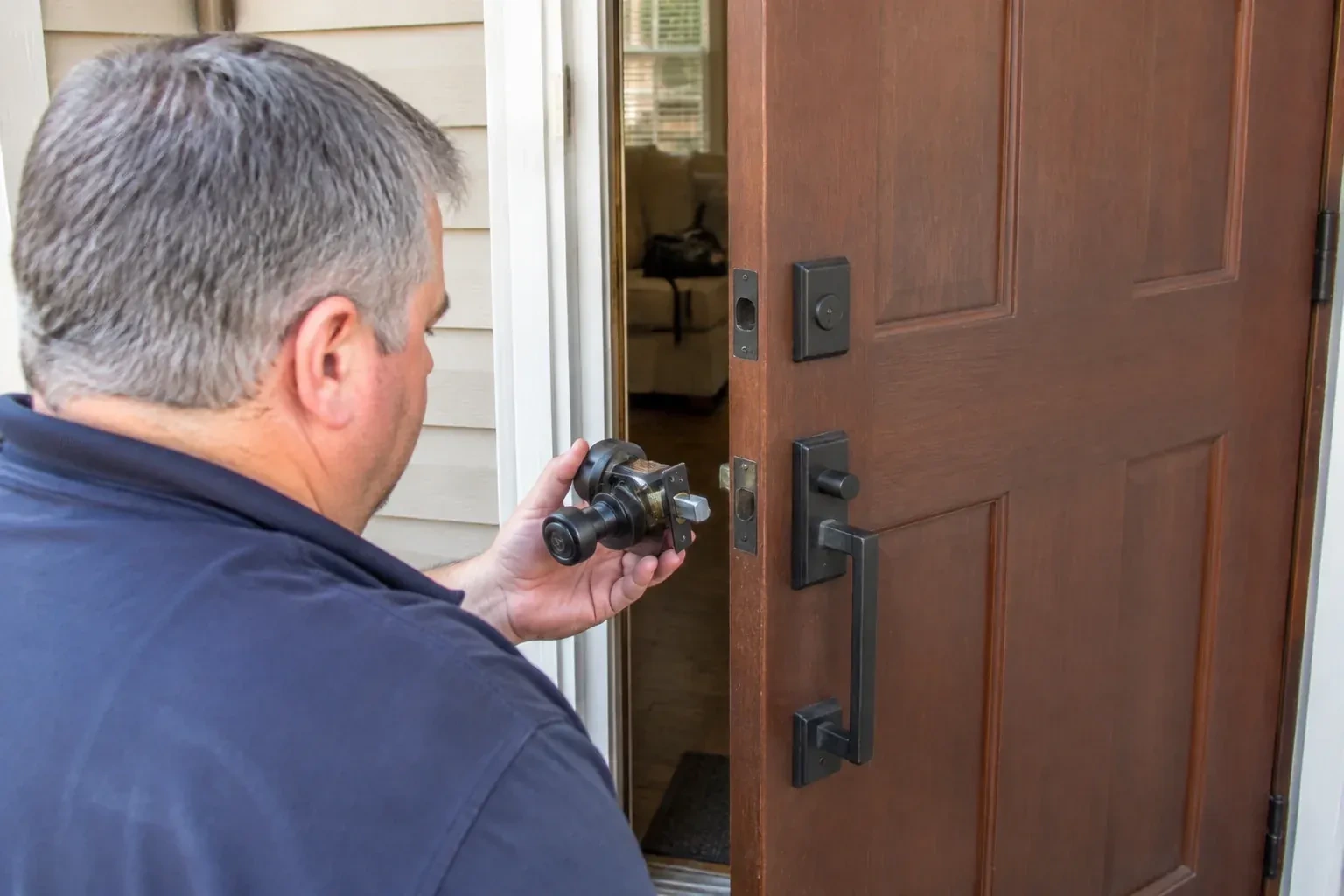
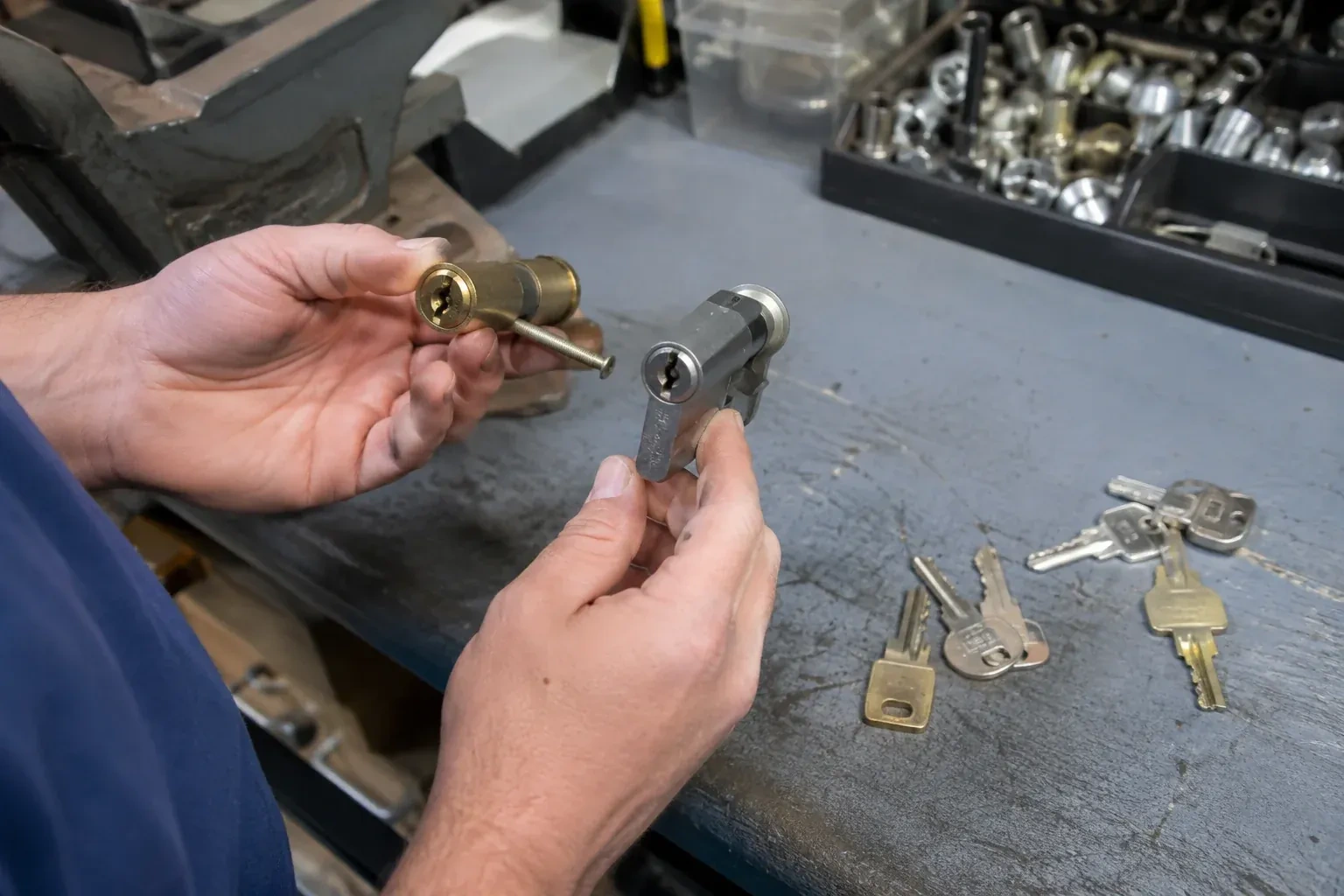
Most locks in Toronto do not need replacing. They need new pins, a clean cylinder, or a strike moved a few millimetres so the bolt stops fighting the frame. We start with the least invasive fix, say plainly what we see, and only move up the list when the hardware has truly reached the end of its life.
Most locks in Toronto do not need replacing. They need new pins, a clean cylinder, or a strike moved a few millimetres so the bolt stops fighting the frame. We start with the least invasive fix, say plainly what we see, and only move up the list when the hardware has truly reached the end of its life.
Honest advice about your locks.
The fee for a visit in Toronto is the same at any hour, and it is settled at the door after the locksmith has assessed the hardware. That order matters. Assess first, then price, then work, so you always know what is being done and what it costs before a tool comes out. There are no surprises added afterwards.
Access hardware for businesses in Toronto does not have to be complicated. We start by asking which problem you want to solve, staff turnover, deliveries after hours, one door that everyone uses, and fit the keypad, reader or strike that answers it. Then we show you how to manage codes and cards yourself, so the system stays useful as your team changes.
15years in business
24/7open every day
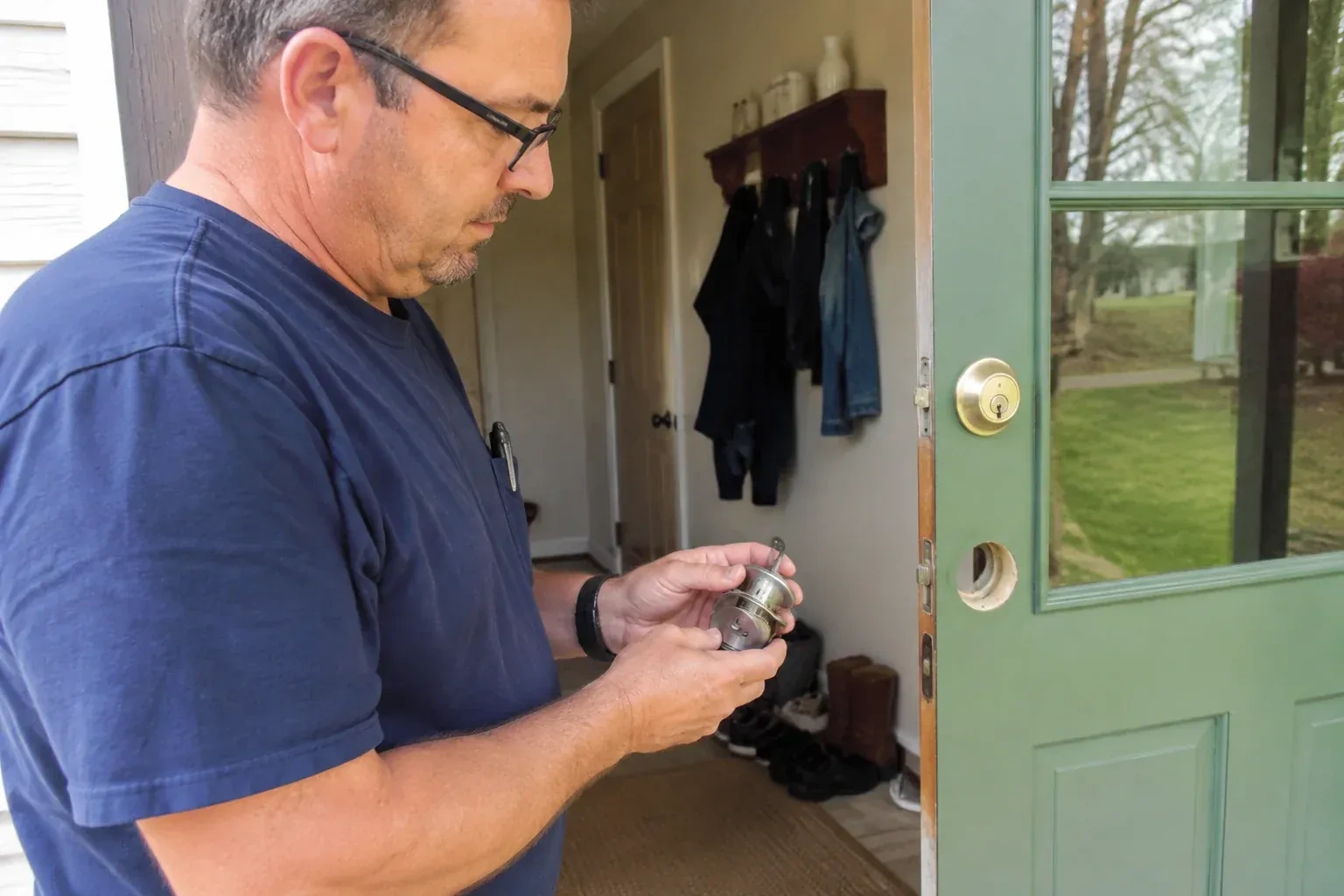
A look before a verdict. We inspect the door, frame and lock before suggesting anything. Diagnosing from the driveway is how people end up with parts they did not need.
Two or three real choices. Where there are sensible alternatives we explain them side by side, including the option of doing less than you expected.
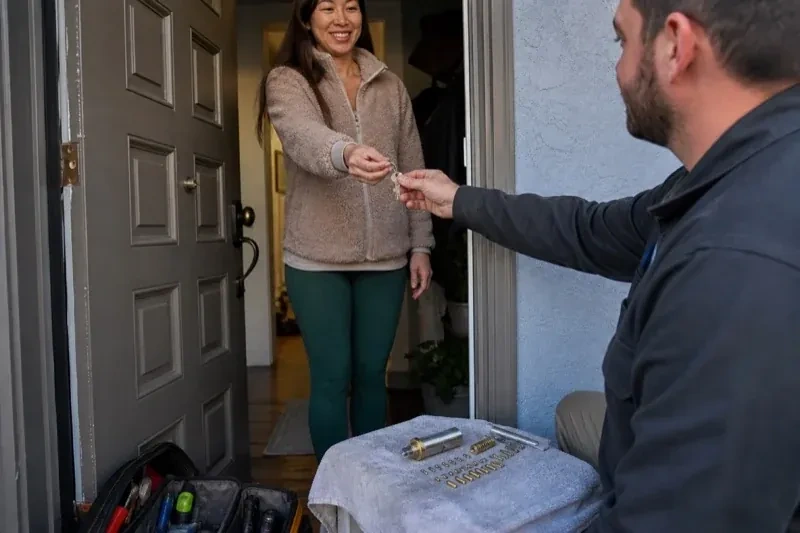
The job finished properly. Tested, aligned, cleaned up and demonstrated. We do not consider a lock done until you have turned the key yourself.
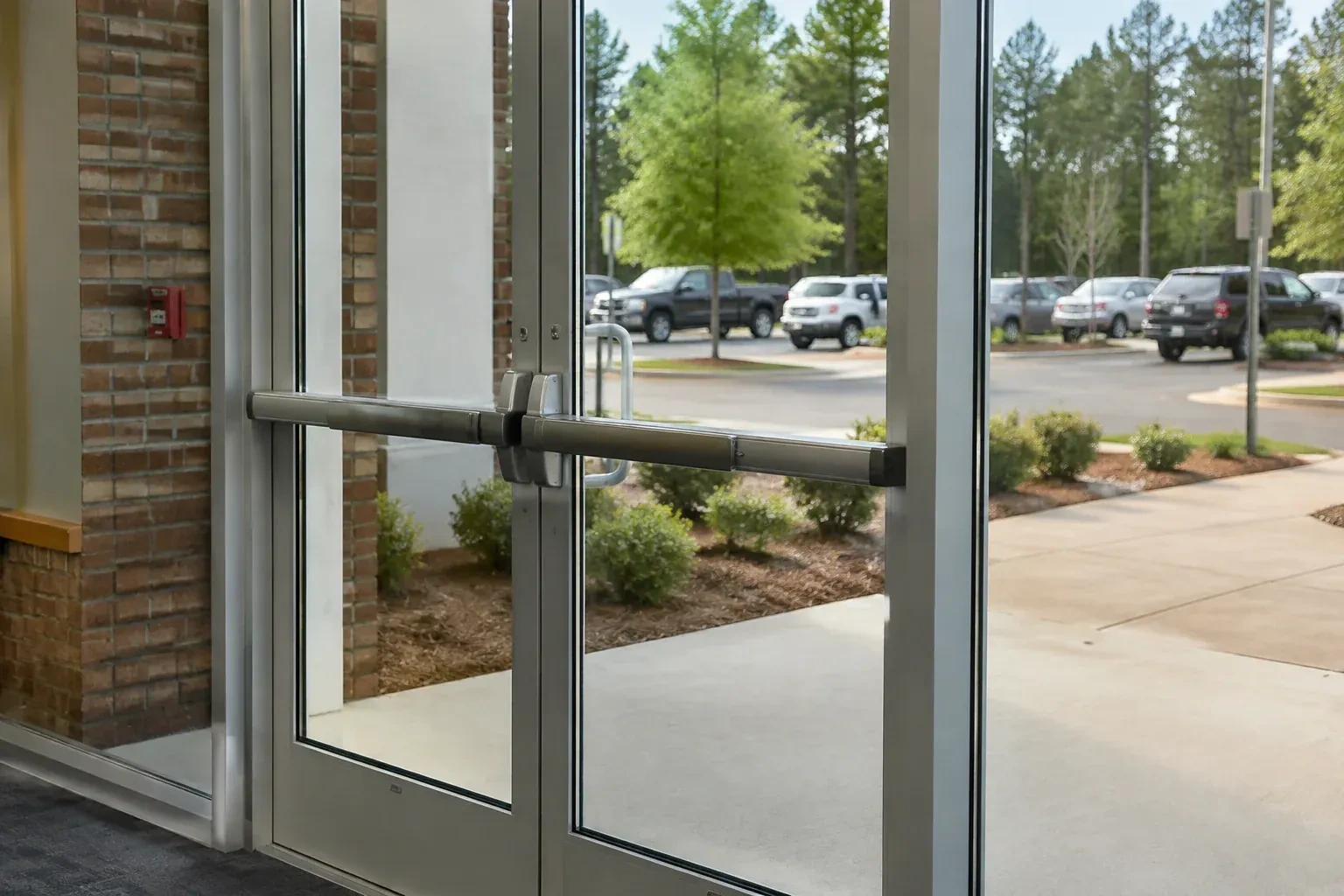
In Toronto the work spans everything on a door that turns, latches or bolts. Homes: lockouts, rekeys, replacements, deadbolts, smart locks, heritage hardware. Businesses: storefront locks, exit devices, closers, master key systems, safes. Read the service that fits and see how a visit runs from start to finish.
About 58% of homes in Toronto were built in 1980 or earlier, according to the 2021 Census.
Older homes
Old brass keys wear thin, and a key that has bent for years finally lets go in a cold cylinder. In older housing stock this is a regular call, so the locksmith is ready to extract the piece, check the cylinder and cut a new key from the code.
Single-detached houses make up about 23% of homes in Toronto (2021 Census).
Condo boards commonly set rules about what may be changed on the outside face of a suite door. A locksmith experienced with attached housing knows to keep the visible hardware within those rules while still upgrading the cylinder and strike behind it.
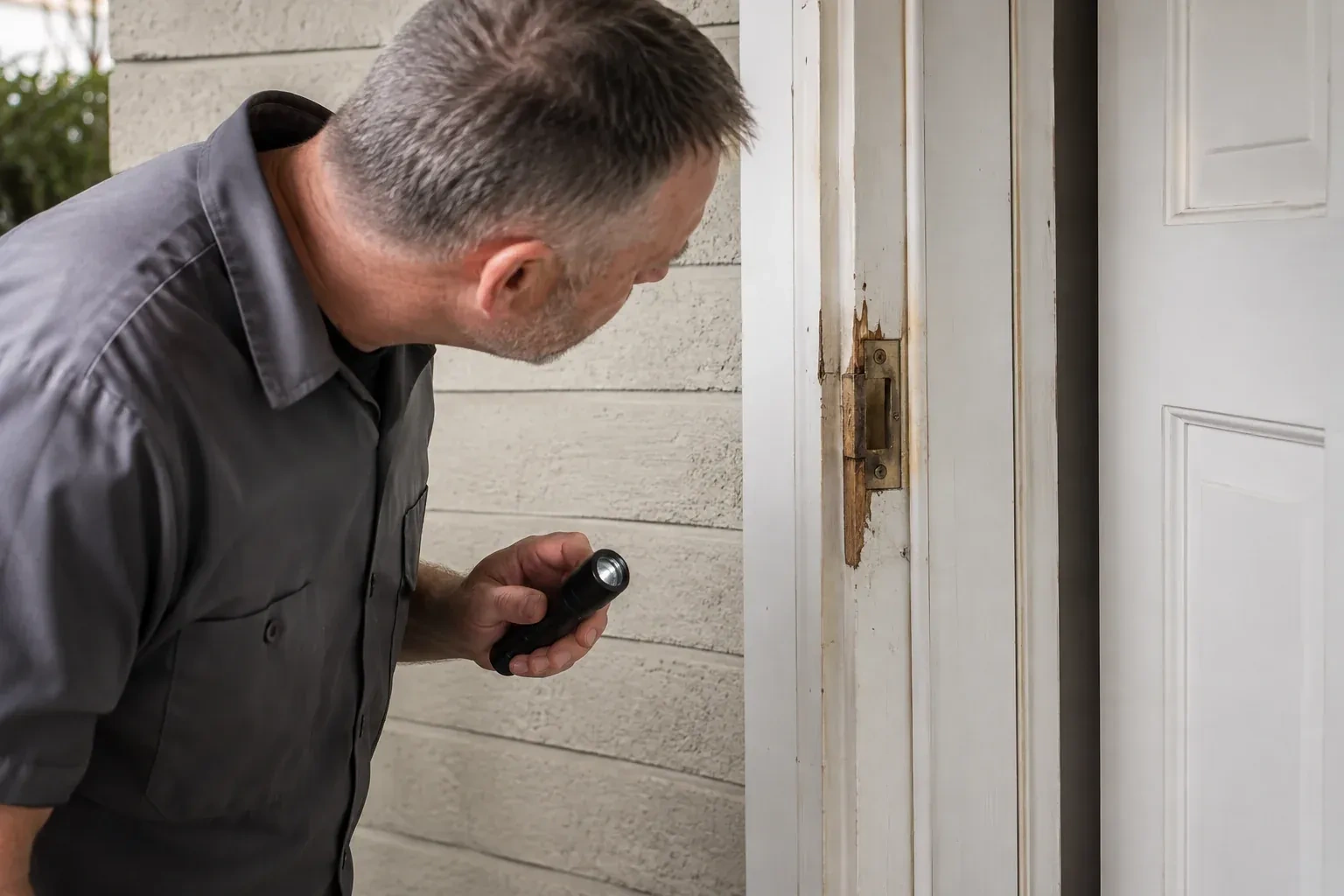
Most people think of the lock. Burglars think of the frame. A box strike with long screws into the stud, a reinforcing plate along the door edge and a bolt that reaches deep into the jamb do more against a kick than any cylinder alone.
You have lost count of how many people have had a key to your house over the years: cleaners, a contractor, a former partner, the previous owner's family.
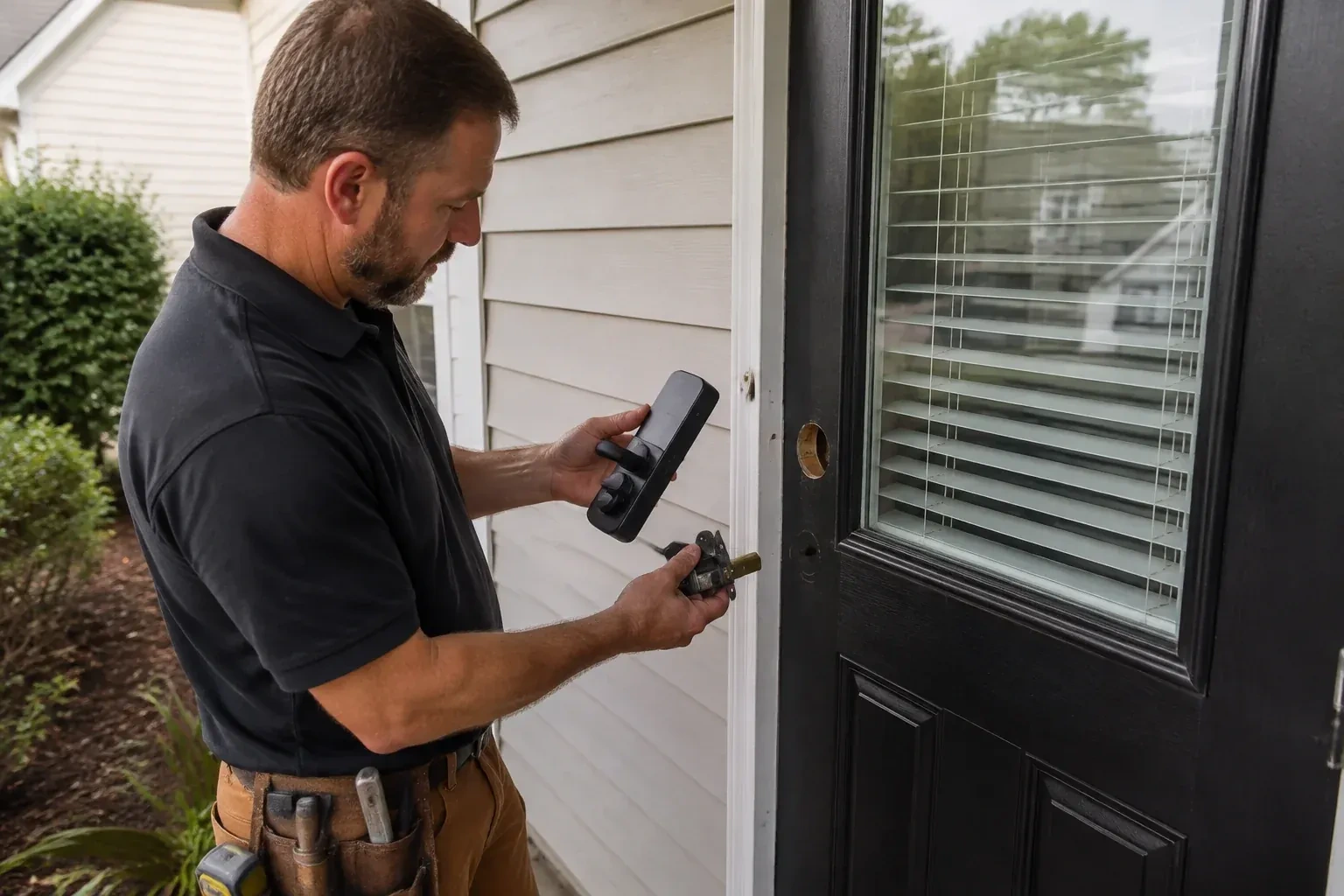
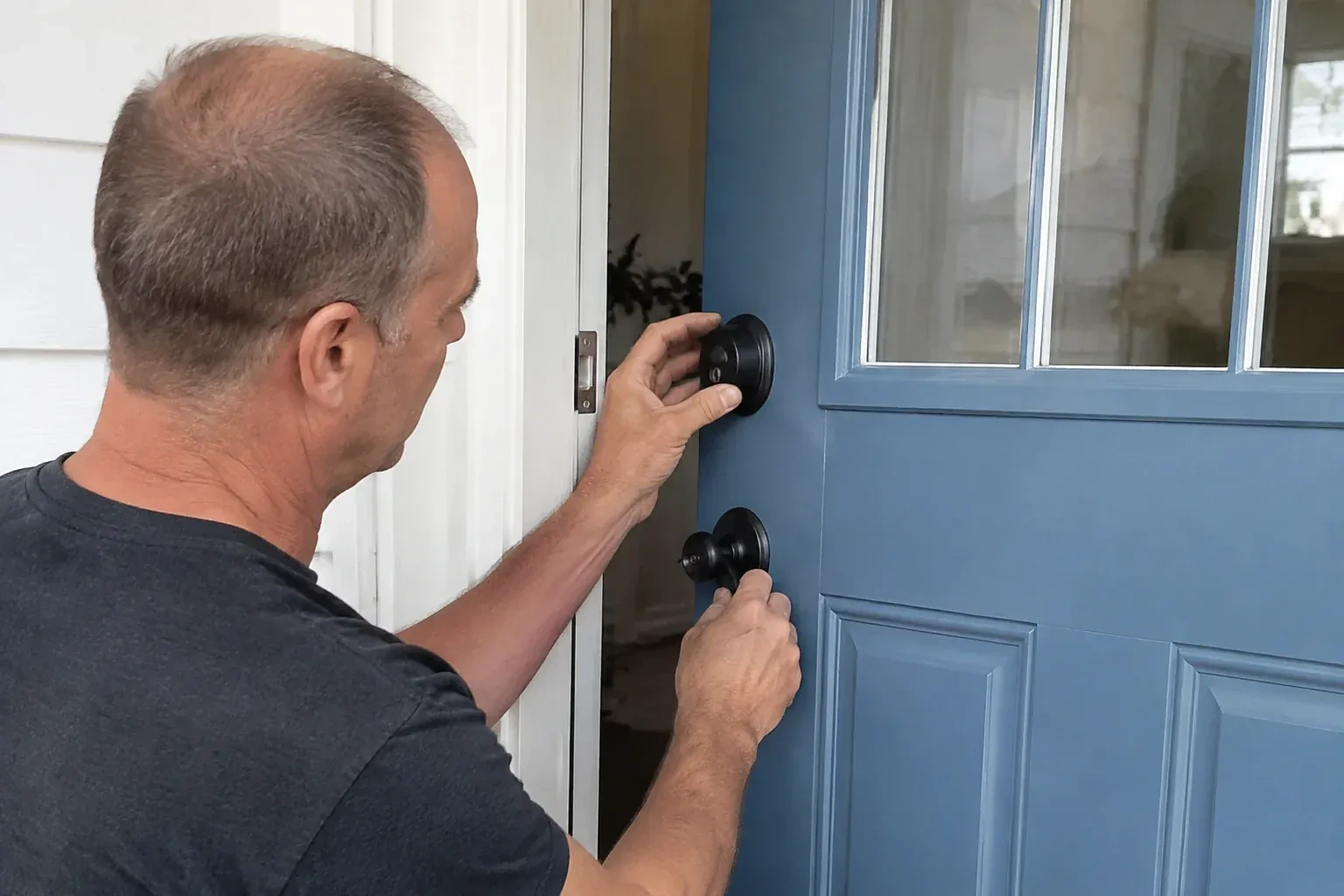
You bought a keypad deadbolt online and pulled the old one off, only to find the hole in the door is a different size and the bolt latch sits at a backset the new kit does not list.
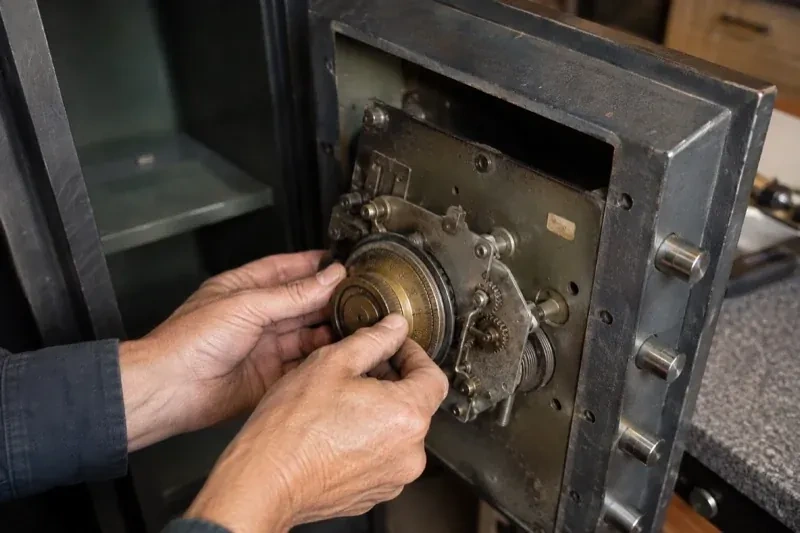
The new manager took over the shop last month and only now needs the back-office safe open, but the combination the previous owner was supposed to leave in writing never turned up anywhere in the handover file.
The till drawer has been holding two days of cash because the new shop never got a proper safe, and a locked drawer under the counter is the only thing standing between that cash and anyone who works late.
Which fix fits?
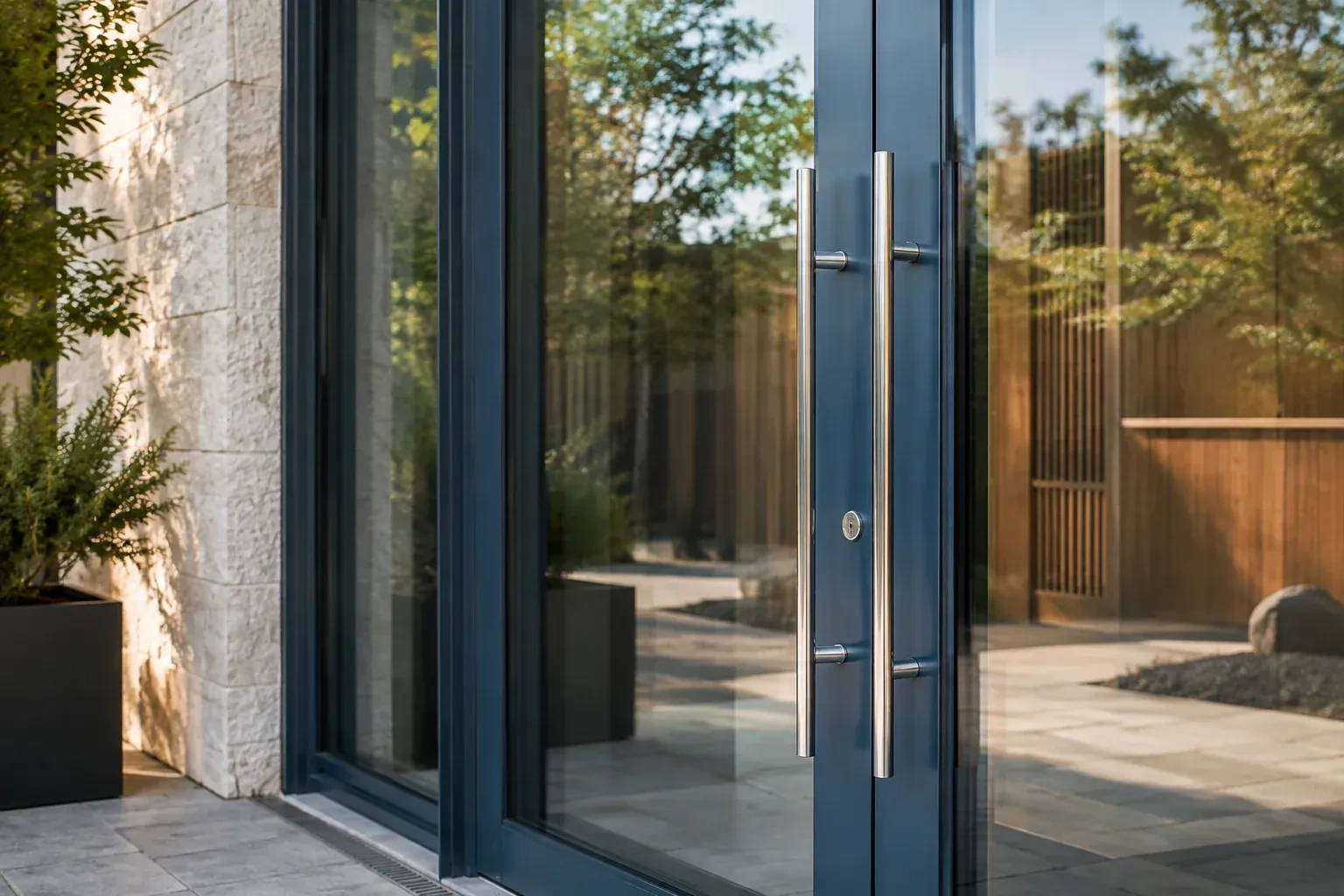
The heavy glass door has been scraping the threshold for weeks.
WhyFor a landlord, a host or anyone who shares a door with people who come and go, the appeal is control without key cutting.
The bookkeeper who set the office safe's code retired in a hurry, and the float cash for tomorrow's registers is sitting behind a keypad nobody else in the building can operate.
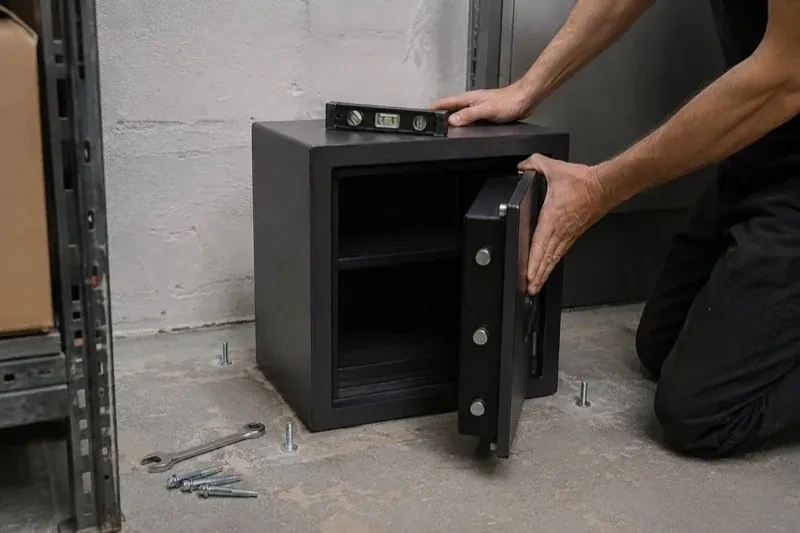
WhyPlenty of visits under this service involve a safe that has been sitting in a back office for years rather than a new one arriving in a box.
A padlock went on the stockroom's back door years ago for security and nobody has thought about it since, until the walkthrough this week pointed out that the same door is the room's only other way out.
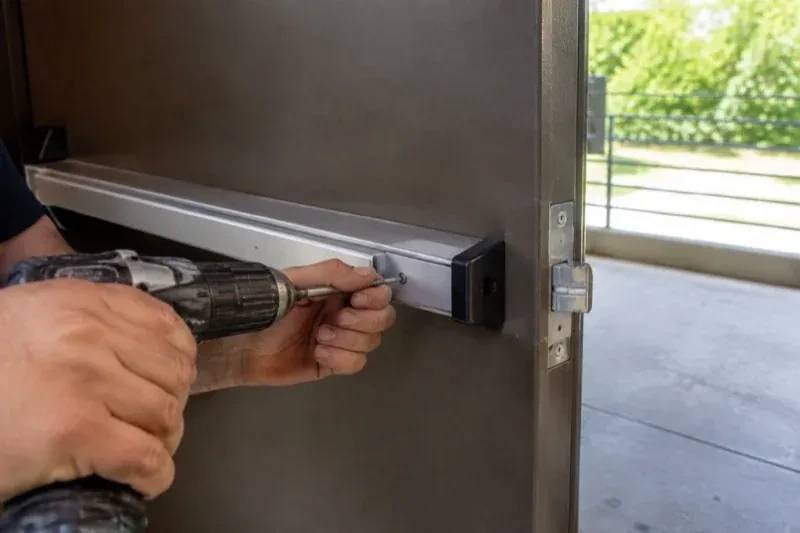
WhyElectrified exit hardware adds a layer without changing the basic behaviour of the door: a person inside can still leave under one motion of the hand, every time.
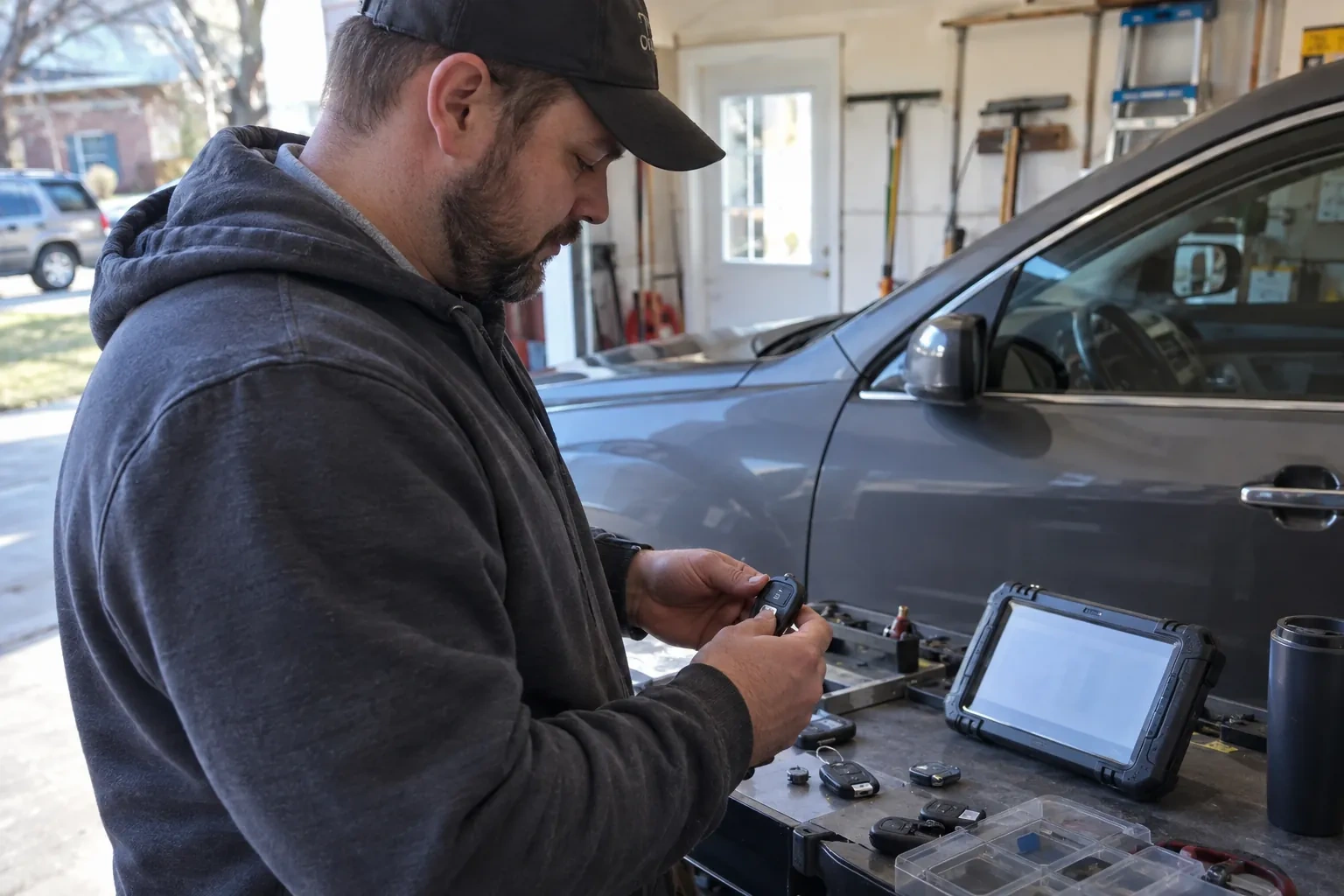
The new key slides into the ignition and turns exactly the way the old one did, but the engine only cranks.
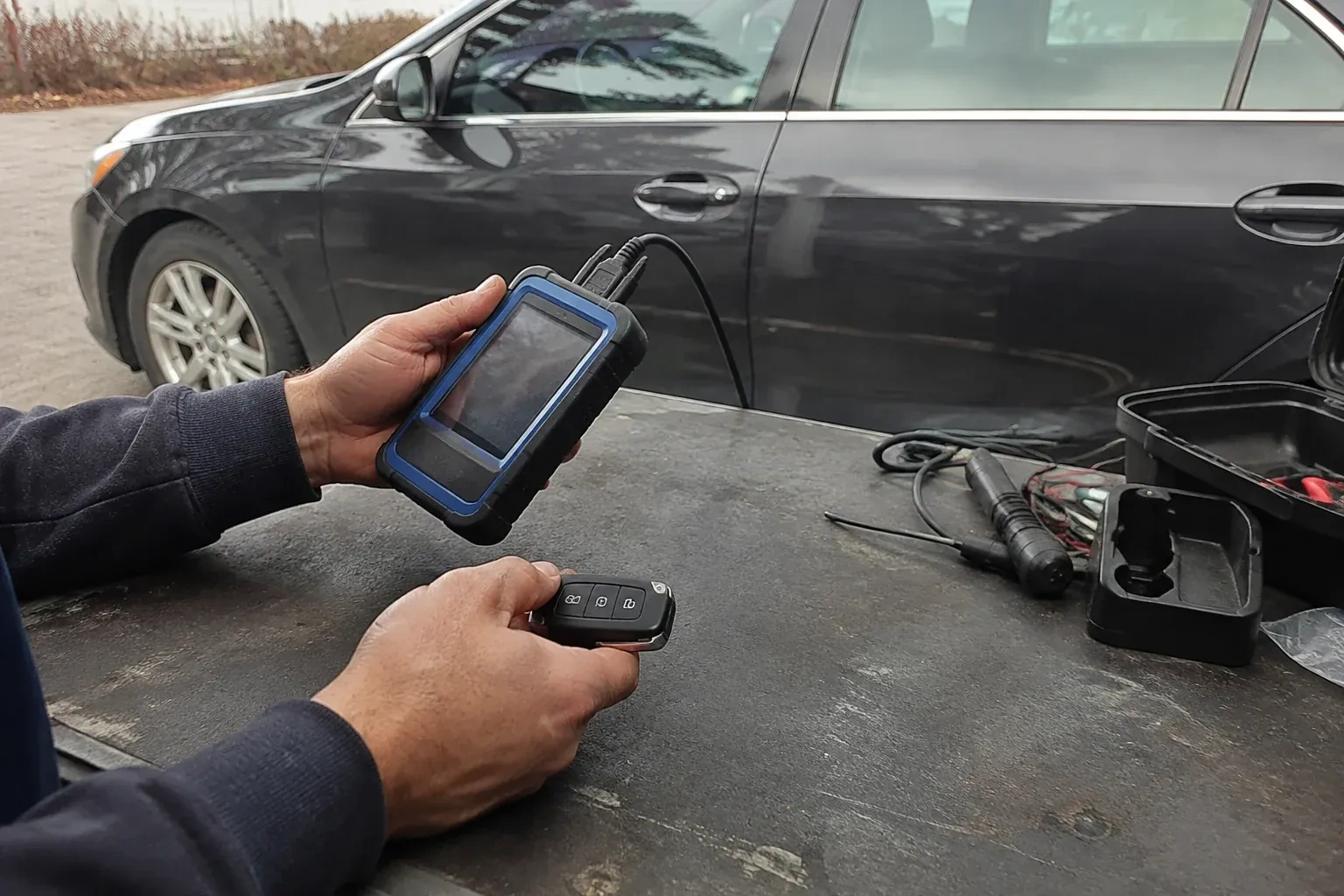
WhyTransponder-based immobilizers became mandatory equipment on new vehicles sold across the country from September 2007 onward, though many manufacturers had already been fitting them for years before that date.
A scrape sits beside the ignition slot, left by whoever tried the vehicle overnight in the driveway.
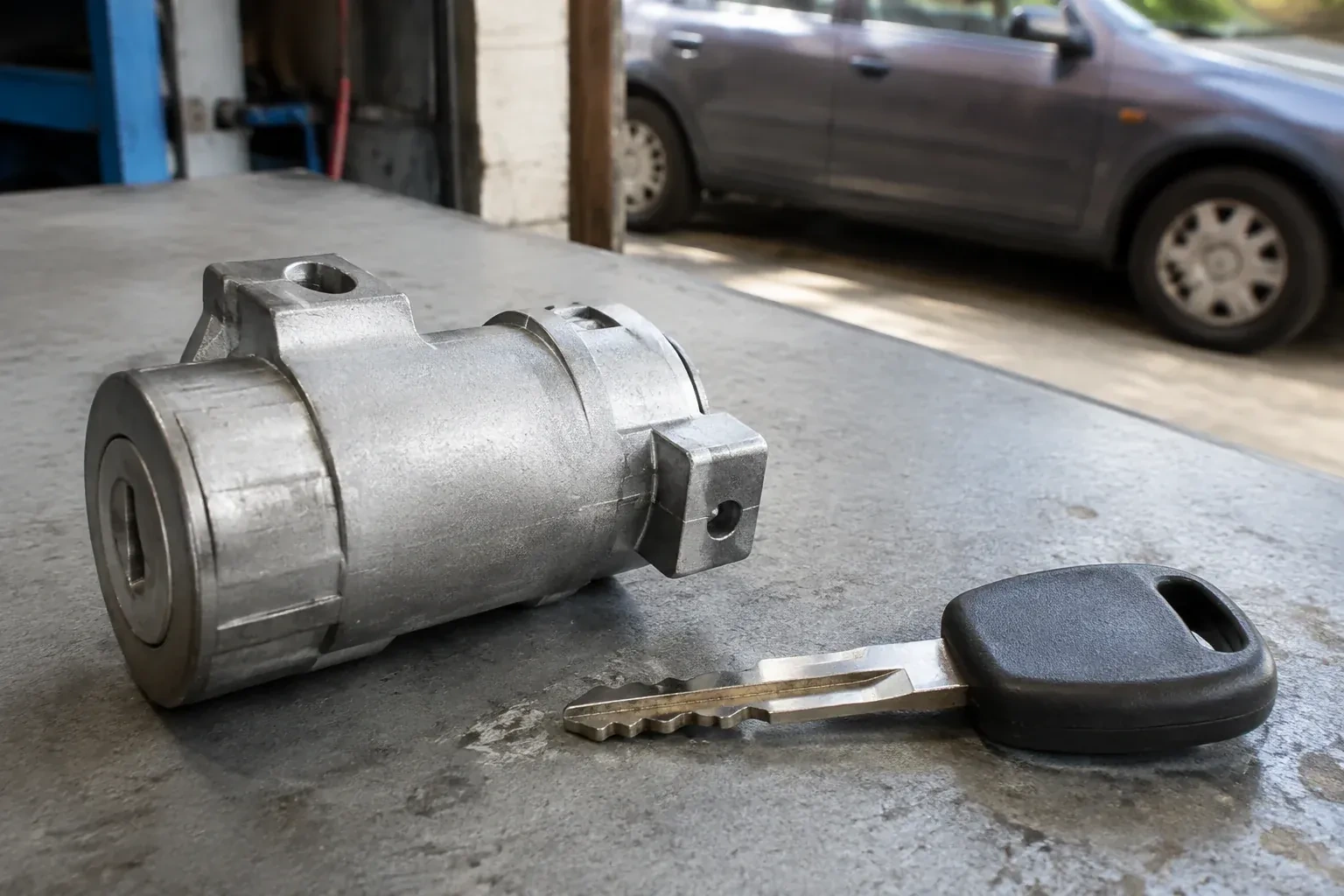
WhyMost ignition lock work happens where the vehicle already is, a driveway, a parking lot, a curb, rather than requiring a tow to a shop first.
How a visit goes
Describe the property, the hardware and what has changed, and the visit starts from what you have seen.
1
2
3
01
Making the door safe first
The priority is a door that closes and locks tonight. We assess the frame, the strike and the lock, and secure whatever was forced so you can stop worrying about the opening.
02
Sorting permanent from temporary
Some damage needs a proper repair later; some can be fixed on the spot. We separate the two clearly and explain what a lasting fix involves without pushing you into it.
03
Rekeying or replacing
If keys were taken or the lock was compromised, we rekey or replace before leaving. You end the visit with a door that locks and keys that only you hold.
Good days. Start with a turn.
1/9Business Lockout Service
The heavy glass door has been scraping the threshold for weeks. This morning the key turns, you can hear the bolt trying to move, but it is jammed hard in the strike and the door stays shut no matter how the handle is pulled.
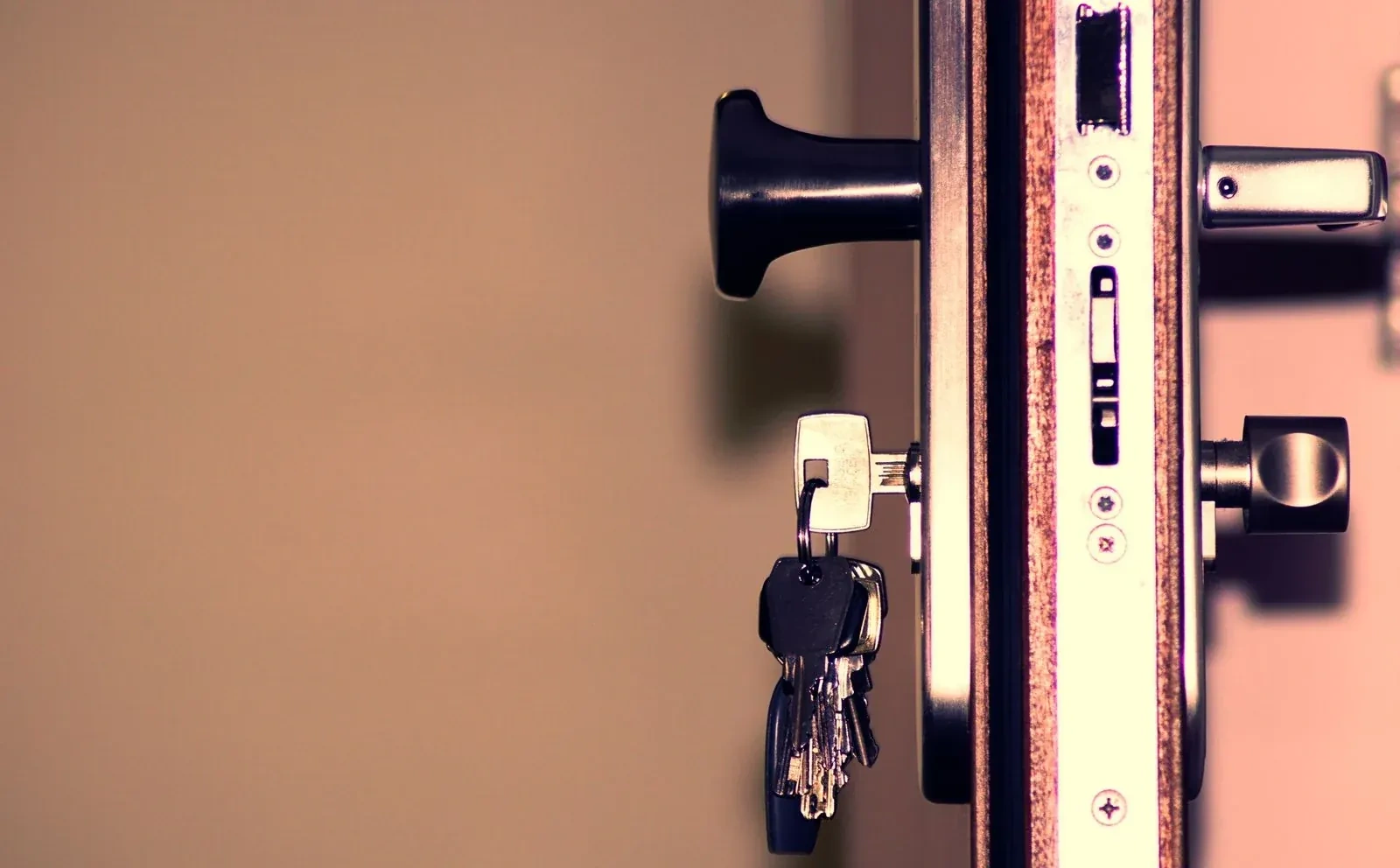
One key for the front door, another for the back, a third for the side door into the garage, and a fourth for the shed. You stand on the step every evening flipping through them in the dark, trying each one until something turns.
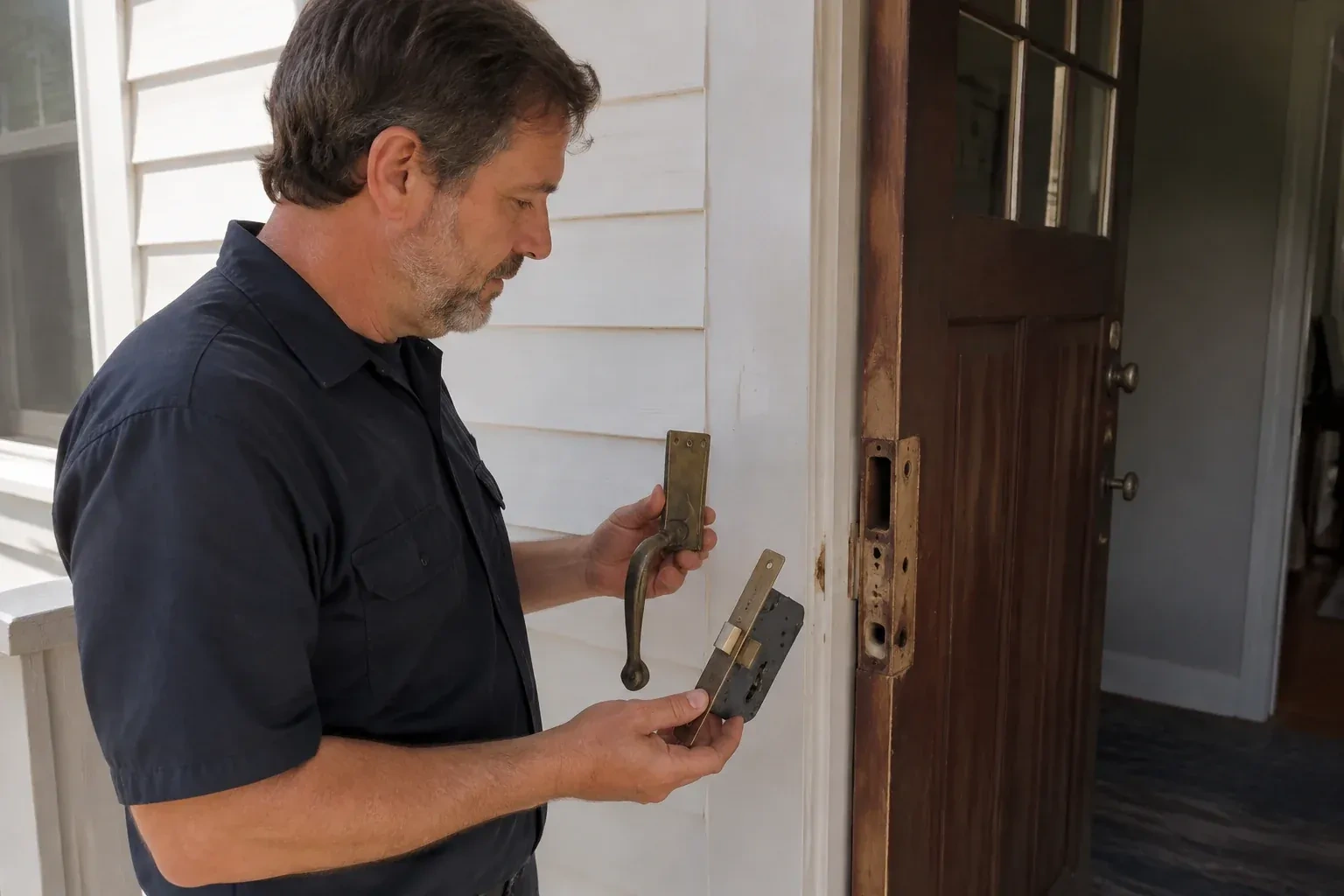
Someone painted the door years ago without removing the hardware. The faceplate, the strike and the little thumb-turn are all under several coats, the deadbolt scrapes when it moves, and the knob is stiff enough to leave marks on your hand.
Your mother still lives on her own, and the personal support worker, the pharmacy delivery and two siblings all need to get in on different days. Cutting keys for everyone feels wrong; a code for each person, with a log, feels right.
The bookkeeper who set the office safe's code retired in a hurry, and the float cash for tomorrow's registers is sitting behind a keypad nobody else in the building can operate.
Behind the filing cabinets sits a heavy floor safe nobody ever bolted down, left exactly as the last owner set it. It opens fine, but a determined pair of hands could simply tip it into a van.
A padlock went on the stockroom's back door years ago for security and nobody has thought about it since, until the walkthrough this week pointed out that the same door is the room's only other way out.
The new key slides into the ignition and turns exactly the way the old one did, but the engine only cranks. A dashboard light blinks near the fuel gauge, and no amount of turning the key gets the car past that cranking sound.
A scrape sits beside the ignition slot, left by whoever tried the vehicle overnight in the driveway. The key that used to start it now does nothing at all, and the housing itself feels looser than it should.
We have lost a master key. Is that different from losing an ordinary key?
Yes, because a master key opens every lock in its group, so one missing key touches many doors. The response is planned rather than rushed: the locksmith maps which cylinders the key operated, works with the property manager if the system is building-wide, and re-pins or swaps cores across the group so a new master takes over. Manufacturers' guidance on key control treats retrieving and tracking master keys as the foundation of the whole system.
Can all my doors be made to work with one key?
Usually, yes. Where the cylinders accept the same style of key blank, each can be pinned to one new combination, so a single key runs the front, back, side and garage doors. A lock from a different keyway family is brought into the group by exchanging its cylinder for a compatible one in the same finish. During the first walk around the property the locksmith reads every keyway and tells you up front which doors can be keyed alike.
Will the door look any different afterwards?
Usually not, when the original case is repaired: the same knobs, escutcheons, faceplate and strike go back on in the same positions, and the only visible change is paint or grime cleared from the edges that were catching. A replacement case is chosen to match the pocket so original trim is reused wherever spacing allows, though an occasional case needs a small pocket or fixing change, explained beforehand.
Will summer heat behind my storm door damage the lock?
It can stress it, and it is one of the first things the locksmith looks at. A full-glass storm door on a south- or west-facing entrance can push the air between the doors well above what electronics are rated for on a hot afternoon. The usual answers are a storm door with a vent or screen, swapping to the screen panel for summer, or a model whose maker rates it for that exposure. With that handled, the lock is fine.
I bought the safe secondhand and have no idea of the combination. Can it still be opened?
Yes. A safe with no known history is treated as an unknown from the start: the locksmith identifies the make, model and lock type directly from the hardware and works through the same manipulation, decoding or reset options used on any other safe. Proof of the purchase or transfer establishes your authority to have it opened, and the process afterward does not depend on any prior record existing.
Do you deliver and move the safe, or do I need to arrange that?
Delivery and the final move into position are part of the service, using equipment suited to the safe's actual weight rather than improvising with furniture dollies or straps meant for lighter loads. The route in is measured ahead of time so doorways, stairs, and tight turns are accounted for before the unit arrives, which avoids a surprise at the one hallway that turns out to be too narrow.
What counts as panic hardware?
Panic hardware is a door-latching device, usually a crossbar or touchpad running most of the door's width, that releases the latch the moment someone pushes on it from the inside. It is built and tested so a light, even push anywhere along the bar opens the door, which is why it is chosen for doors serving rooms with enough people that fumbling for a key during an exit is not acceptable.
Can a vehicle from before transponder keys were common have one added now?
It depends on the vehicle and what its factory ignition system supports; some older models can accept an aftermarket immobilizer and matching transponder key, while others were never built with a compatible module at all. This is worth discussing model by model rather than assuming either answer, since the mechanical side of an older ignition is often the easier half of that conversation.
Do you need to confirm that I own the vehicle before starting?
Yes, and it takes only a moment when the paperwork is on hand. A vehicle permit or registration document matched to identification settles it in most cases. If the vehicle is a rental, a fleet vehicle or belongs to someone else, a lease, a work order or a call to the registered owner fills the gap. This step protects every vehicle owner who might one day call about their own ignition.
Request a visit
The fee for a visit in Toronto is the same at any hour, and it is settled at the door after the locksmith has assessed the hardware. That order matters. Assess first, then price, then work, so you always know what is being done and what it costs before a tool comes out. There are no surprises added afterwards.