Lockouts · Toronto
Broken Key Extraction
Overnight the deadbolt froze, and this morning the key would only turn partway.
In plain words
If a key has just snapped in your lock, the most helpful thing you can do is nothing further to the lock. Keep the half in your hand, note whether the door is locked, and resist the tweezers and the glue, both of which push the piece deeper and add material the locksmith must clear first. On the phone, describe the lock, whether any of the blade shows, and whether the key turned when it broke. Have photo identification to hand, or the ownership papers if it is a vehicle. That short conversation means the locksmith arrives with the right extractors and a plan.
How the visit goesIn the parking lot your car key snapped in the driver's door. You are holding the plastic head with the buttons on it, the metal blade is inside the lock, and the spare is on a hook at home.
Broken Key Extraction
How the visit goes
Confirming the lock is yours to open
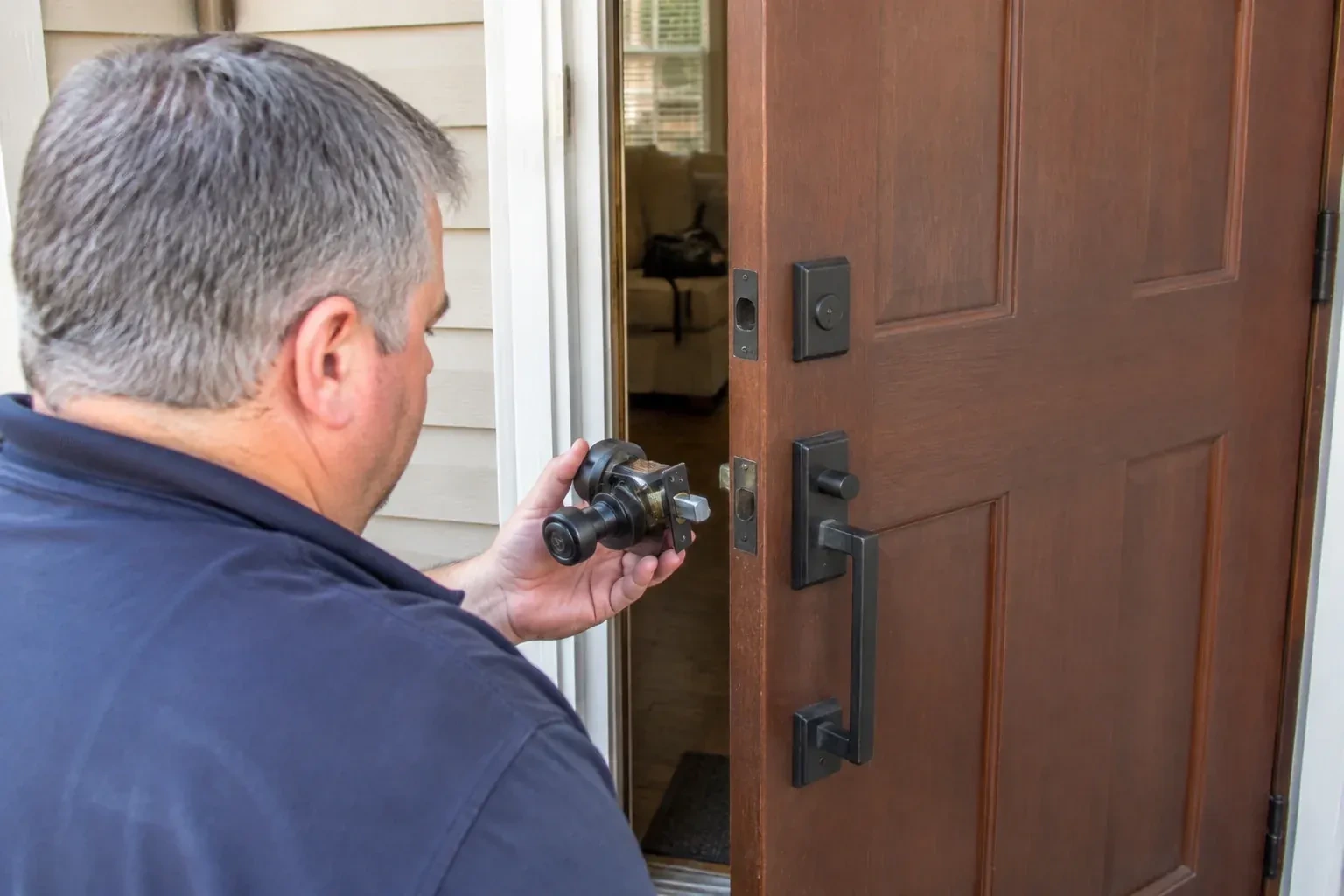
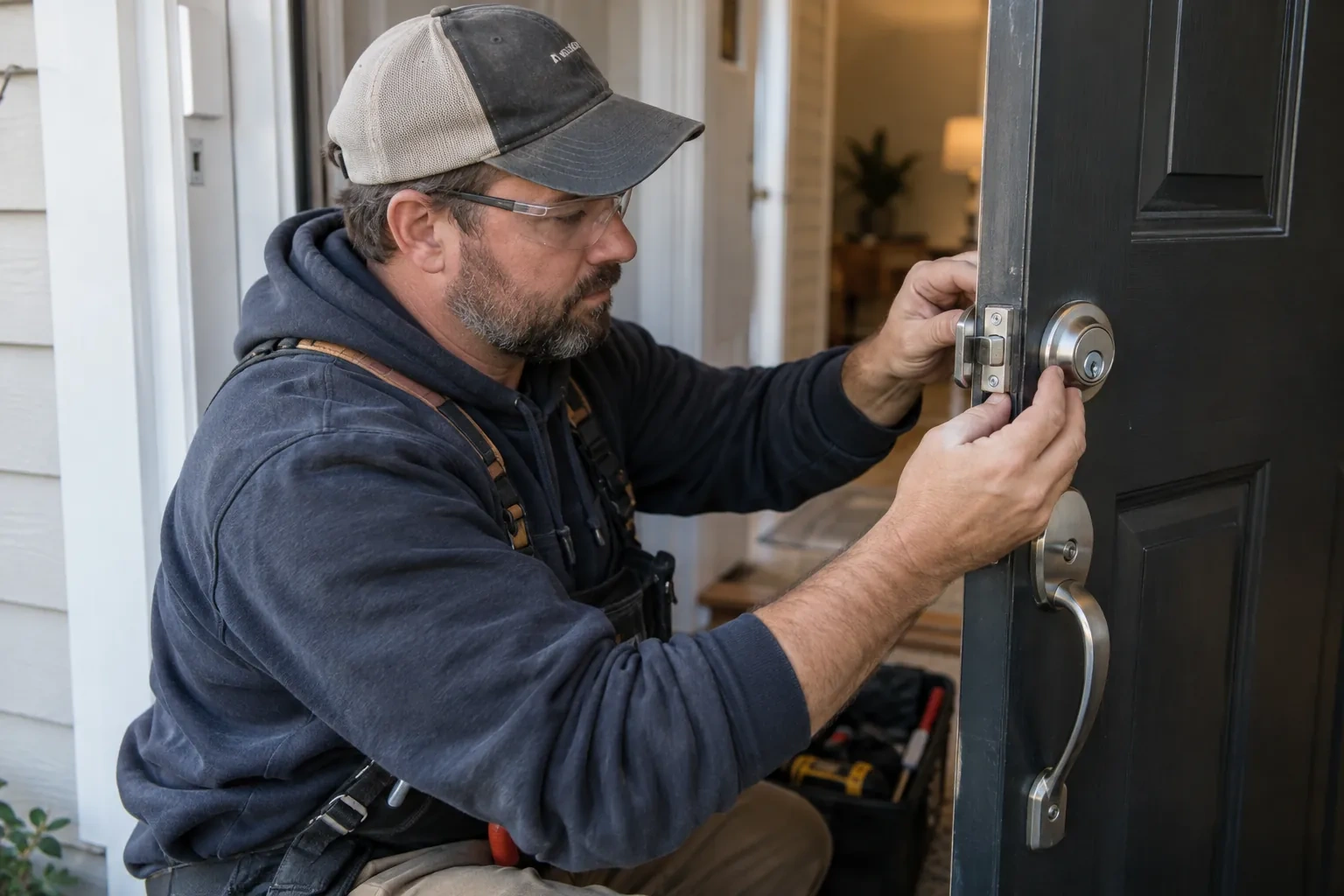
Extraction is an entry service in everything but name, so it starts the way a lockout does: the locksmith establishes that whoever is asking is entitled to the door, padlock or vehicle. For a home that means photo identification plus a document linking you to the address: a lease, a utility statement, or the property manager vouching for you. For a car it is the registration or ownership papers and matching identification. If your wallet is behind the door, say so, and the check is finished once you are inside. It takes a minute, protects every neighbour on the street, and is a sign you have called the right kind of tradesperson.
Bringing the plug back to rest
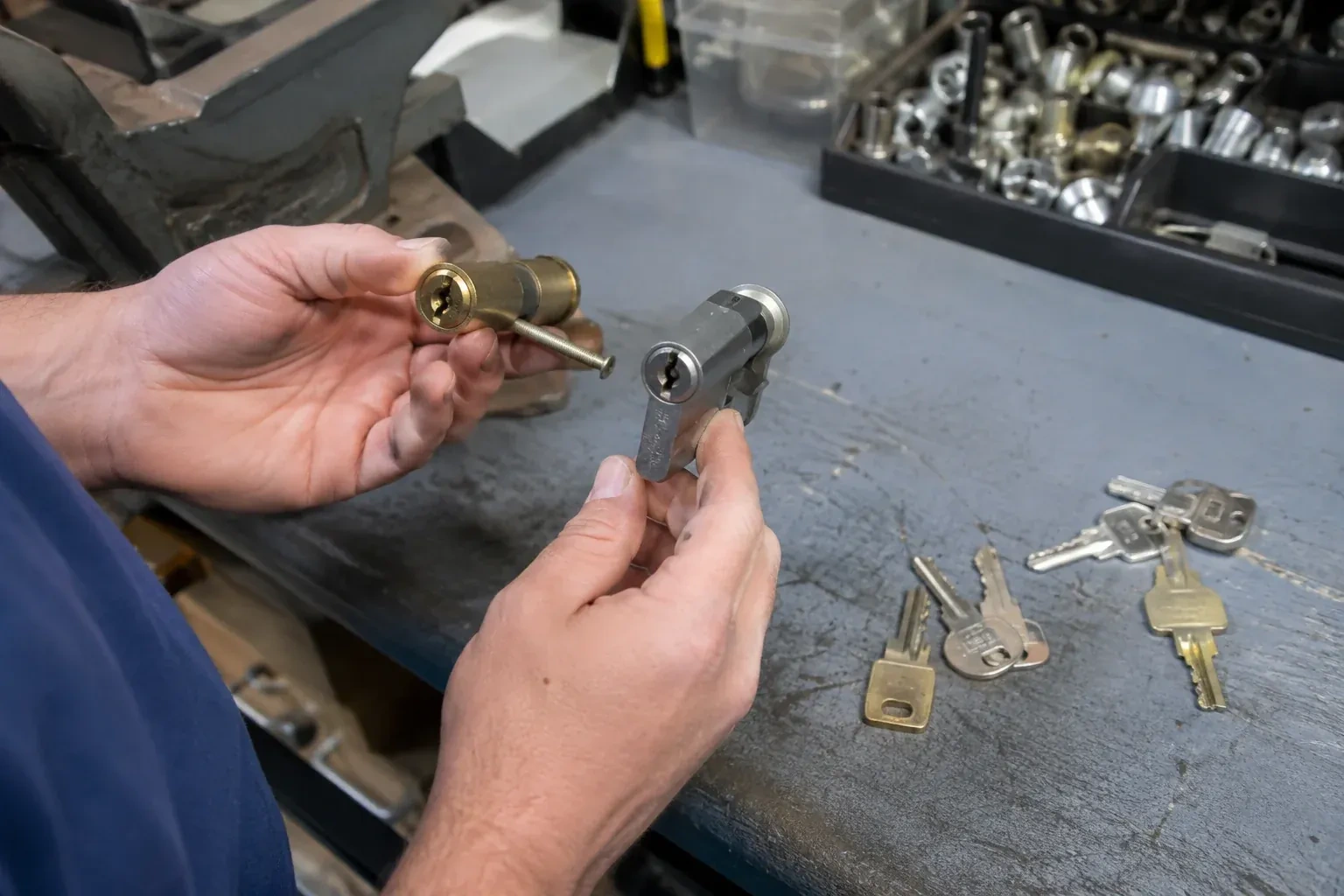
Nothing slides out of a rotated plug, because the pins that the key lifted are still sitting at the shear line and holding the blade. So when the key snapped mid-turn, the first job is to return the plug to its resting position. The locksmith applies gentle rotational pressure with a tension tool, feeling for the point where the pins drop back into the plug and the keyway lines up with the cylinder body. Sometimes a light tap on the face helps the pins settle. Only once the plug is at rest is the fragment free to move, and only then do the extractors go in.
Habits that keep keys in one piece
A few small changes stop most repeat breaks. Push the key fully home before turning, and turn from the bow with a level hand, never with pliers or from the tip. Keep the house key off box-cutting and ice-scraping duty; every bend fatigues the blade at its narrowest cut. Replace a key the moment it shows a kink, a crack line or rounded cuts, and cut the replacement from code or a crisp original. Keep the ring light. If the lock itself starts to stiffen, that is the cue to lubricate or call, because a stiff lock is the one that breaks keys.
Broken Key Extraction
In the van
Spiral key extractors
Key blanks and code cutter
Fine-jawed extractor pliers
Hook key extractors
Lock de-icer
Broken Key Extraction
What affects the quote
How far the locksmith travels
Every call-out includes the drive. A lock on the next street and one at a rural address an hour out are different trips, and the quote includes travel as its own consideration.
When you call
Whatever hour you call about a broken key extraction — morning, evening, a weekend or a holiday — the amount is the same. Locksmiths are reachable at any time, and the exact figure is confirmed on site once the technician has seen how deep the fragment sits.
Drilling and a replacement cylinder
On the rare occasion a cylinder must be sacrificed, the price includes the new cylinder or complete deadbolt plus fitting it, and that is agreed with you before the drill is picked up.
What to have ready
- Was the lock frozen or the door swollen when it happened?
- Has anything been put into the keyway since, such as tweezers, glue or another key?
- Did the key turn part of the way before it snapped?
Broken Key Extraction: questions
QuestionsMy car key snapped in the door. Is that a locksmith job?
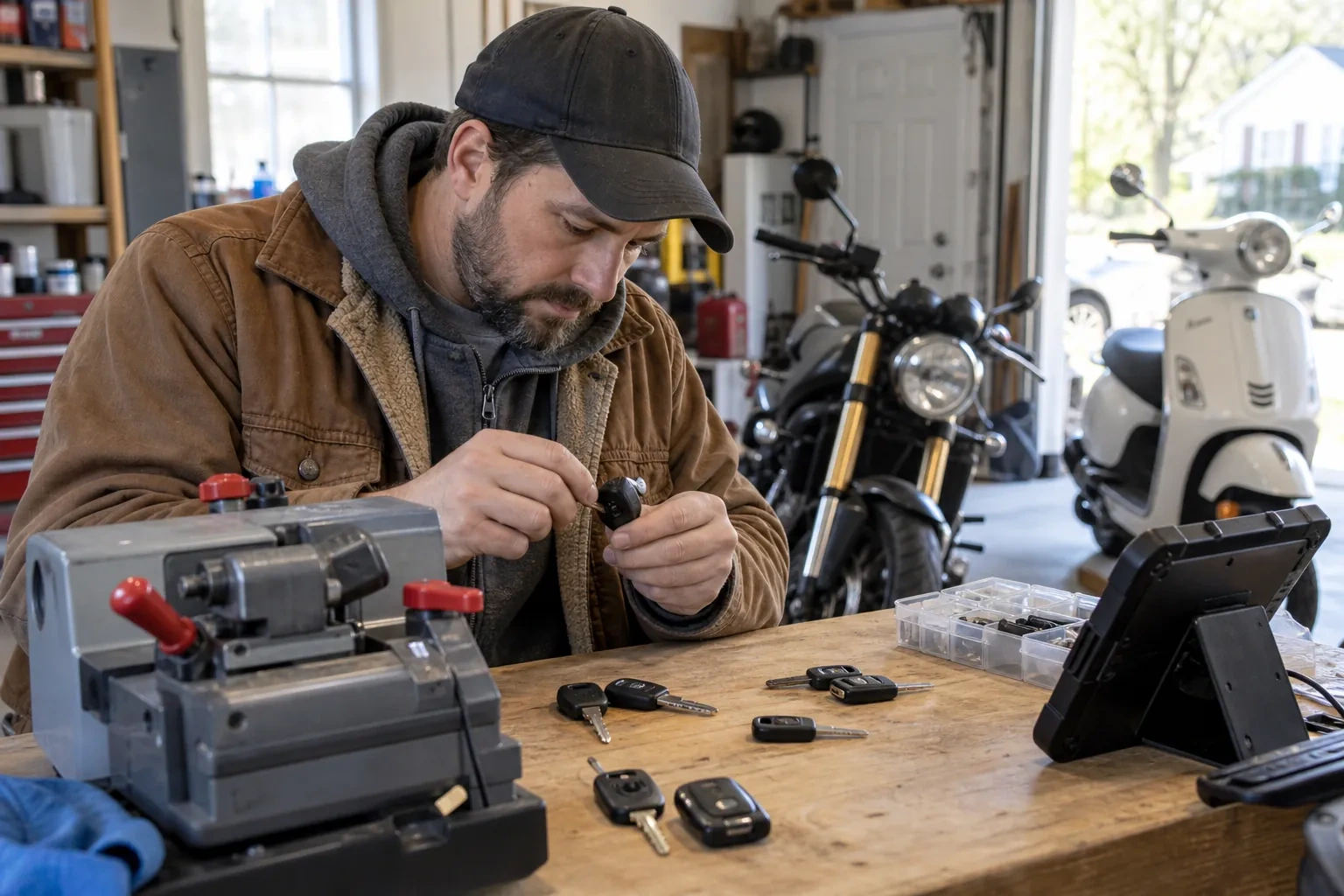
Yes. Vehicle door locks and ignitions use wafer cylinders that respond to the same extractor tools. Once the blade is out, the plastic head you are holding, which carries the transponder chip and any remote buttons, can usually take a freshly cut blade so the car keeps recognizing it. The ignition is checked as well, since a broken key sometimes disturbs the wafers.
My key has a chip in it. Does that survive the break?
Usually yes. The transponder chip and the remote electronics live in the plastic head, and the head is the part that stays in your hand when the blade snaps. Once the blade is extracted, a new blade of the right profile is cut and fitted to the old head, so the vehicle continues to recognize the chip without reprogramming. Only a cracked or soaked head needs the electronics moved to a new shell.
Does the glue trick work?
It is a well-known idea and a poor one. A drop of adhesive on the other half rarely bonds to a piece of brass sitting in a tight keyway, and what it does bond to is the cylinder, the pins and the face of the lock. That film then has to be dissolved before proper extractors can slide in. Keep the halves apart and dry.