Locksmith in West Hill, OntarioBroken key?Leave the pieces to us.
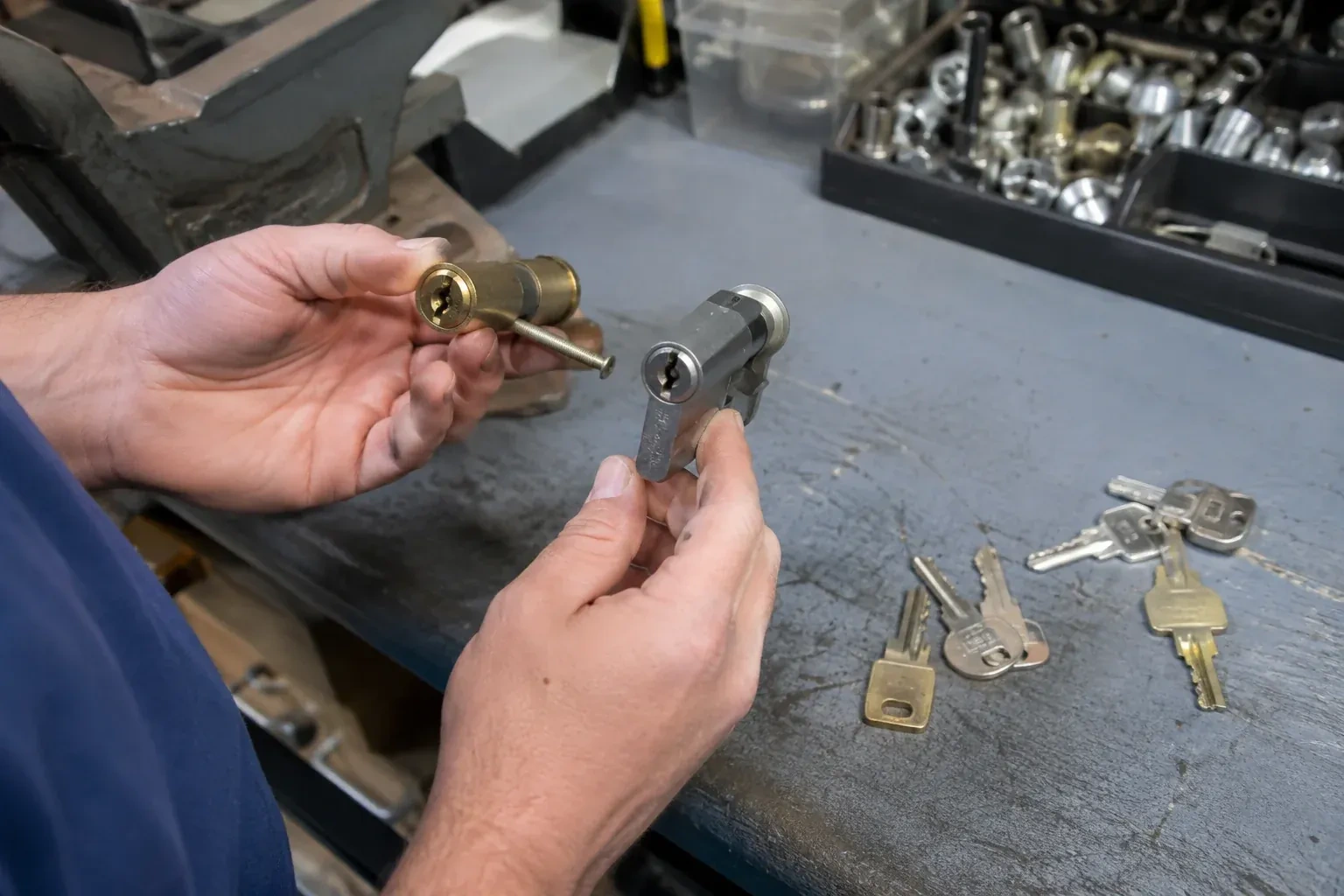
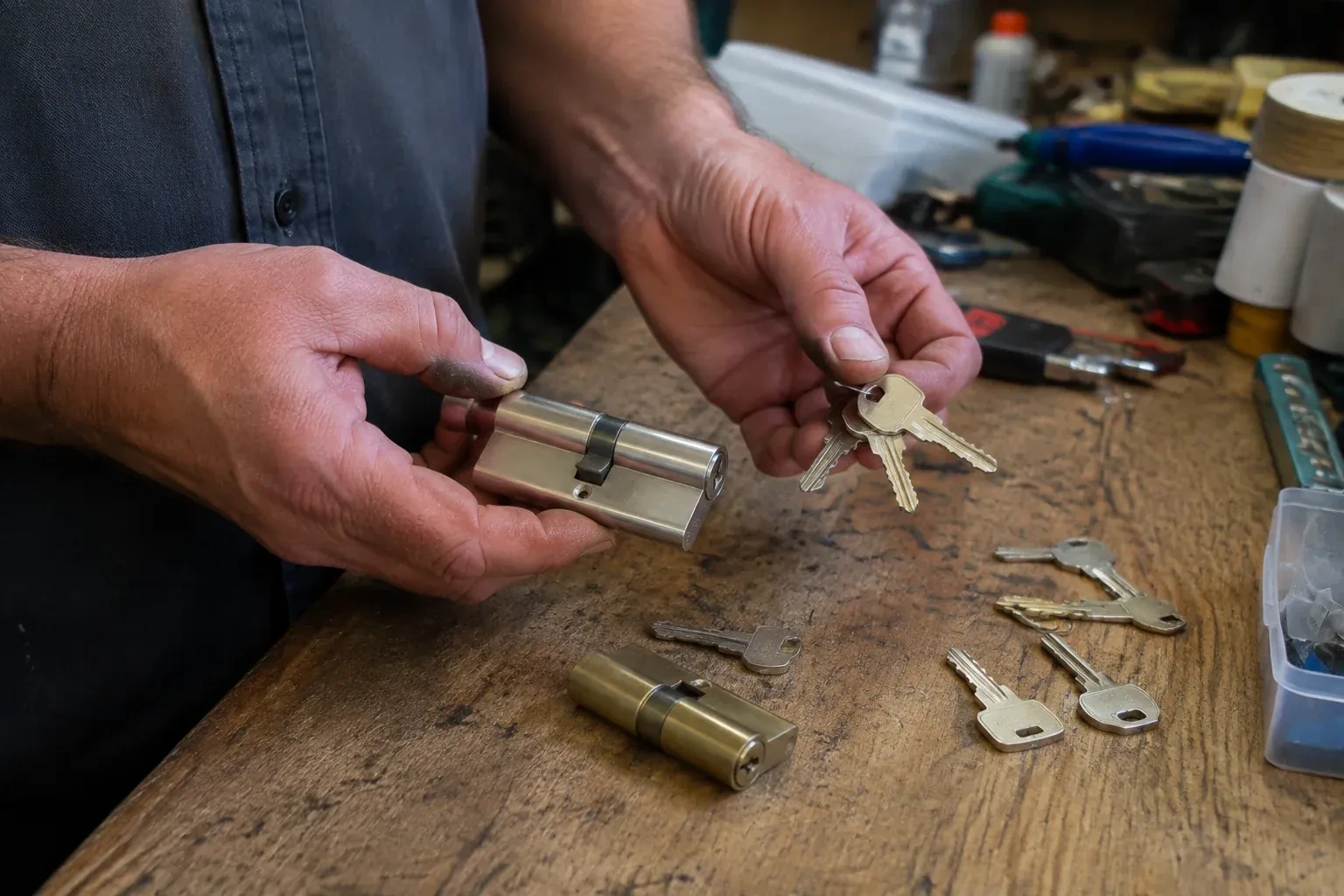
Cold mornings in West Hill are hard on tired brass, and a key that has been bending for years finally lets go inside the lock. We remove the snapped piece without harming the cylinder, look at why it failed, and cut a fresh key from the code or the remaining half before we leave.
Cold mornings in West Hill are hard on tired brass, and a key that has been bending for years finally lets go inside the lock. We remove the snapped piece without harming the cylinder, look at why it failed, and cut a fresh key from the code or the remaining half before we leave.
Honest advice about your locks.
When you call from West Hill, a locksmith answers, not a dispatcher reading a script. He asks what the door is doing, tells you what the visit will likely involve, and arranges a time. The assessment and the price happen at the door, once he has seen the hardware. The same person who took the call is the one who does the work.
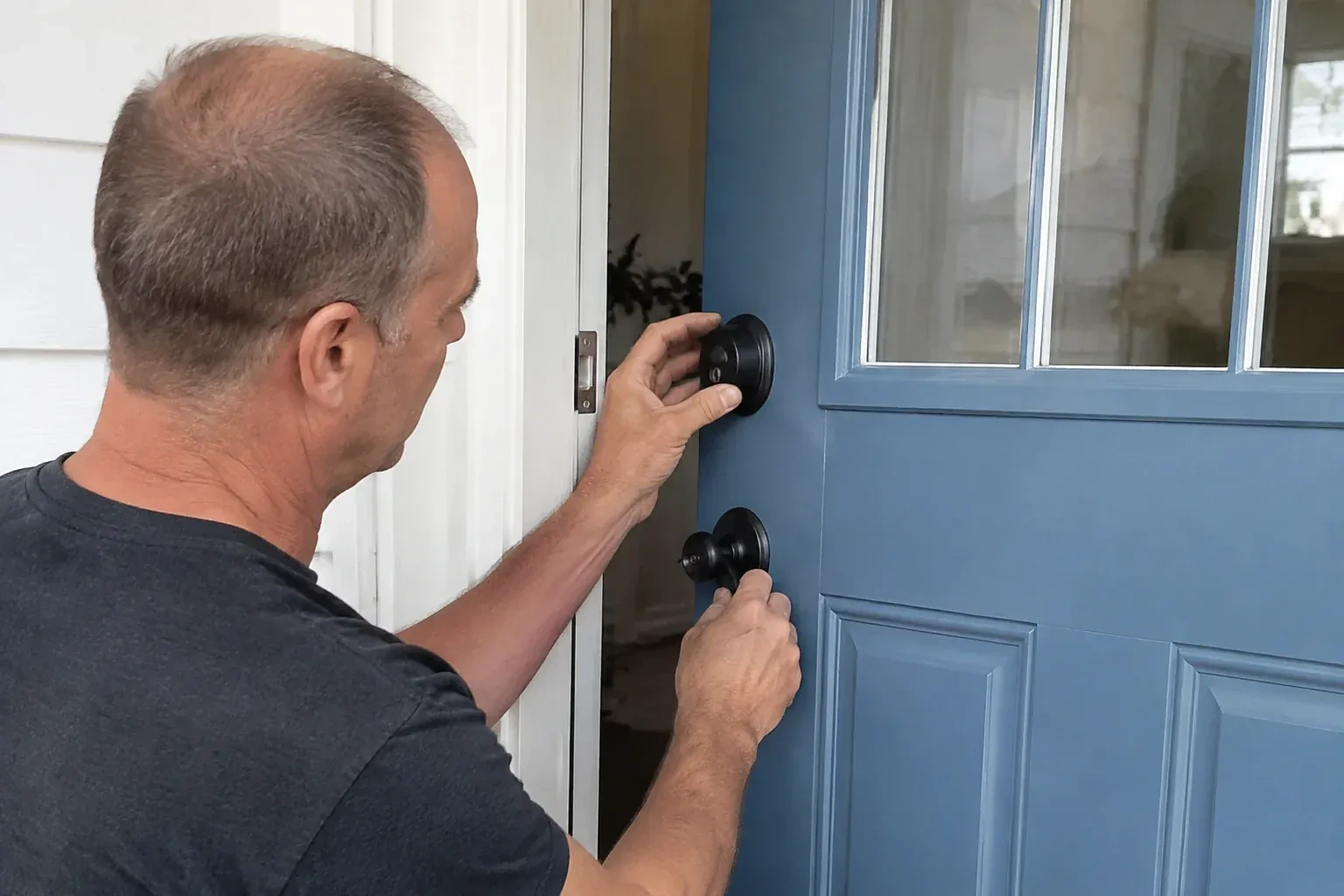
Every locksmith visit in West Hill begins with a conversation. What is the door doing? Who else has a key? What would you like to be true afterwards? Those answers tell us whether to rekey, repair, replace or simply adjust, and they mean the technician arrives with the right cylinders, blanks and tools rather than a guess.
15years in business
24/7open every day
A look before a verdict. We inspect the door, frame and lock before suggesting anything. Diagnosing from the driveway is how people end up with parts they did not need.
Two or three real choices. Where there are sensible alternatives we explain them side by side, including the option of doing less than you expected.
The job finished properly. Tested, aligned, cleaned up and demonstrated. We do not consider a lock done until you have turned the key yourself.
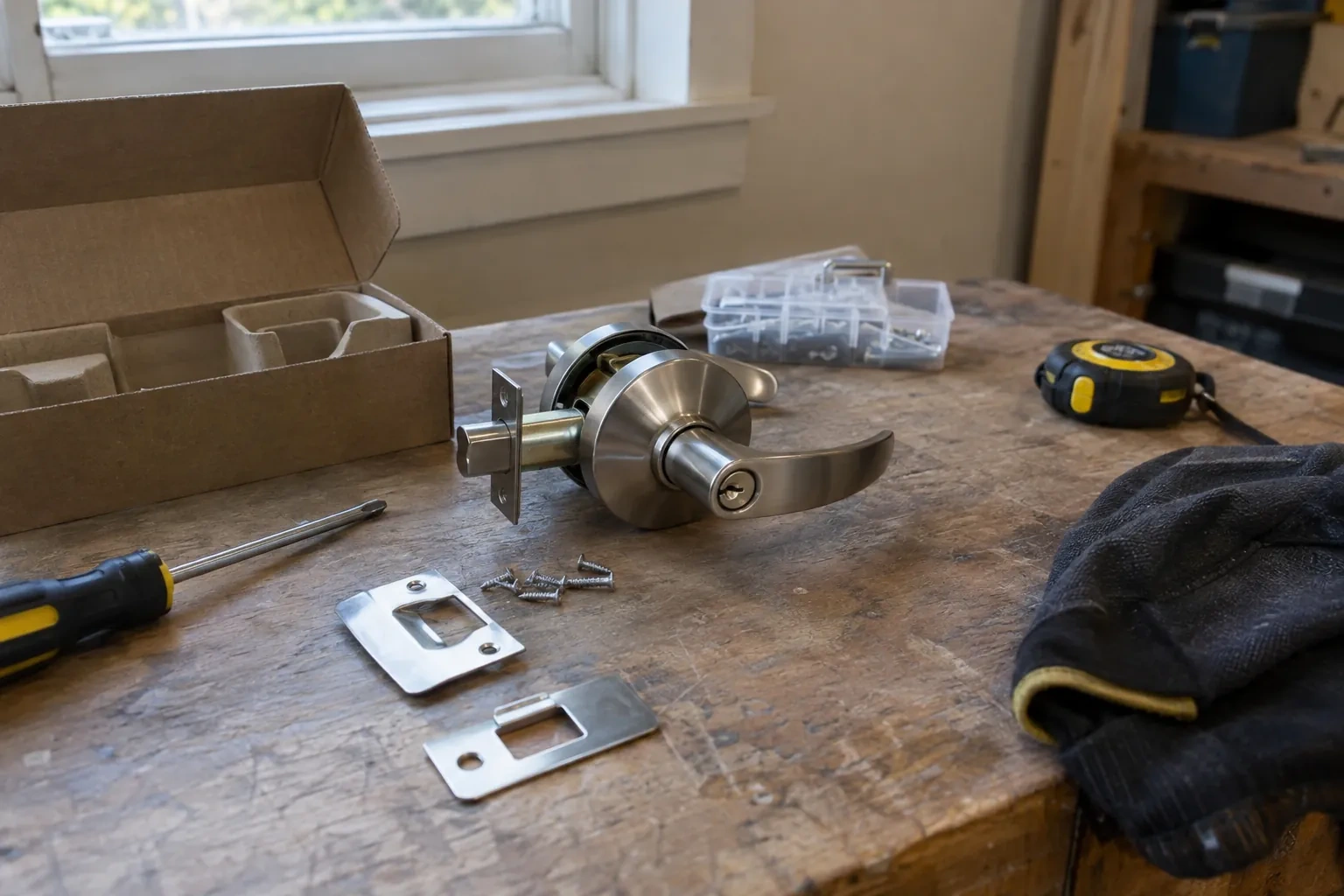
Here is the range of lock work we do for homes and businesses in West Hill: opening doors when the key is missing, rekeying and changing locks, fitting deadbolts and high-security cylinders, servicing commercial hardware, opening and resetting safes, and cutting keys, including the occasional vehicle key when a household needs one.
About 58% of homes in Toronto were built in 1980 or earlier, according to the 2021 Census.
Older homes
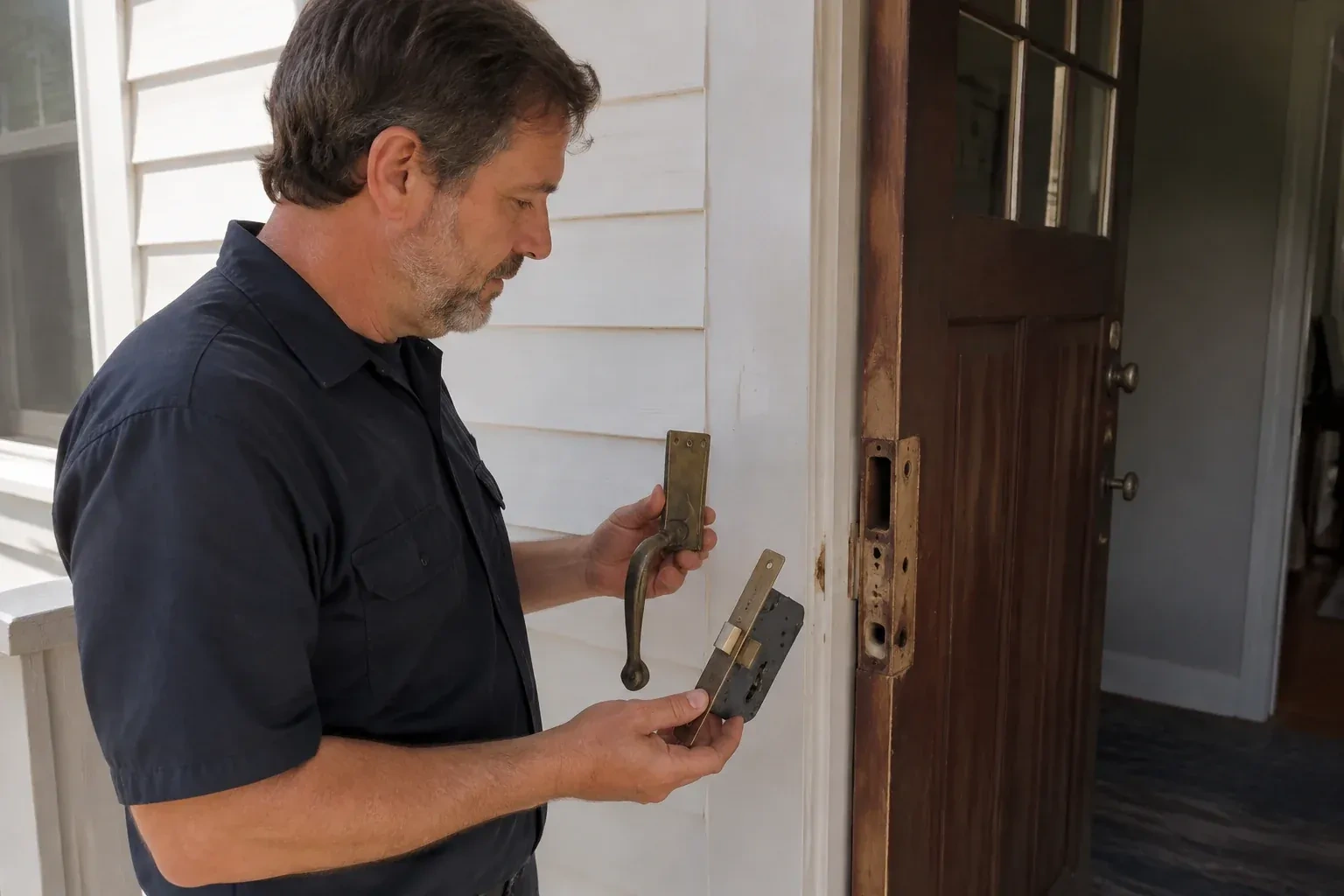
Basement and side entries on older homes were often fitted long after the house was built, with whatever lock was on hand. Bringing those doors up to the standard of the front entry, and onto the same key, is a common and satisfying job.
Single-detached houses make up about 23% of homes in Toronto (2021 Census).
Landlords and property managers dominate in attached housing, and they want keys organised. A locksmith sets up master systems so a manager carries one key while each tenant's key opens only their own door.
It is minus fifteen, the wind is coming across the driveway, and the key will only go halfway into the deadbolt. Yesterday's thaw left water in the keyway and overnight it froze solid. Forcing it only makes the metal flex.
A cook stepped into the alley with the recycling and the rear door swung shut behind him. The push bar works from inside, but the outside handle has a keyed cylinder and the key is hanging in the kitchen office. The front door is locked too.
The key slides all the way in, exactly as it has for years, and then refuses to turn in either direction. Yesterday it needed a small wiggle. This morning it feels set in concrete, and pushing harder only makes the key flex.
The brass handleset has gone blotchy and green where the winter salt reaches it, and the coating on the deadbolt is lifting in flakes. It still locks, but it looks tired beside the fresh paint on the door.
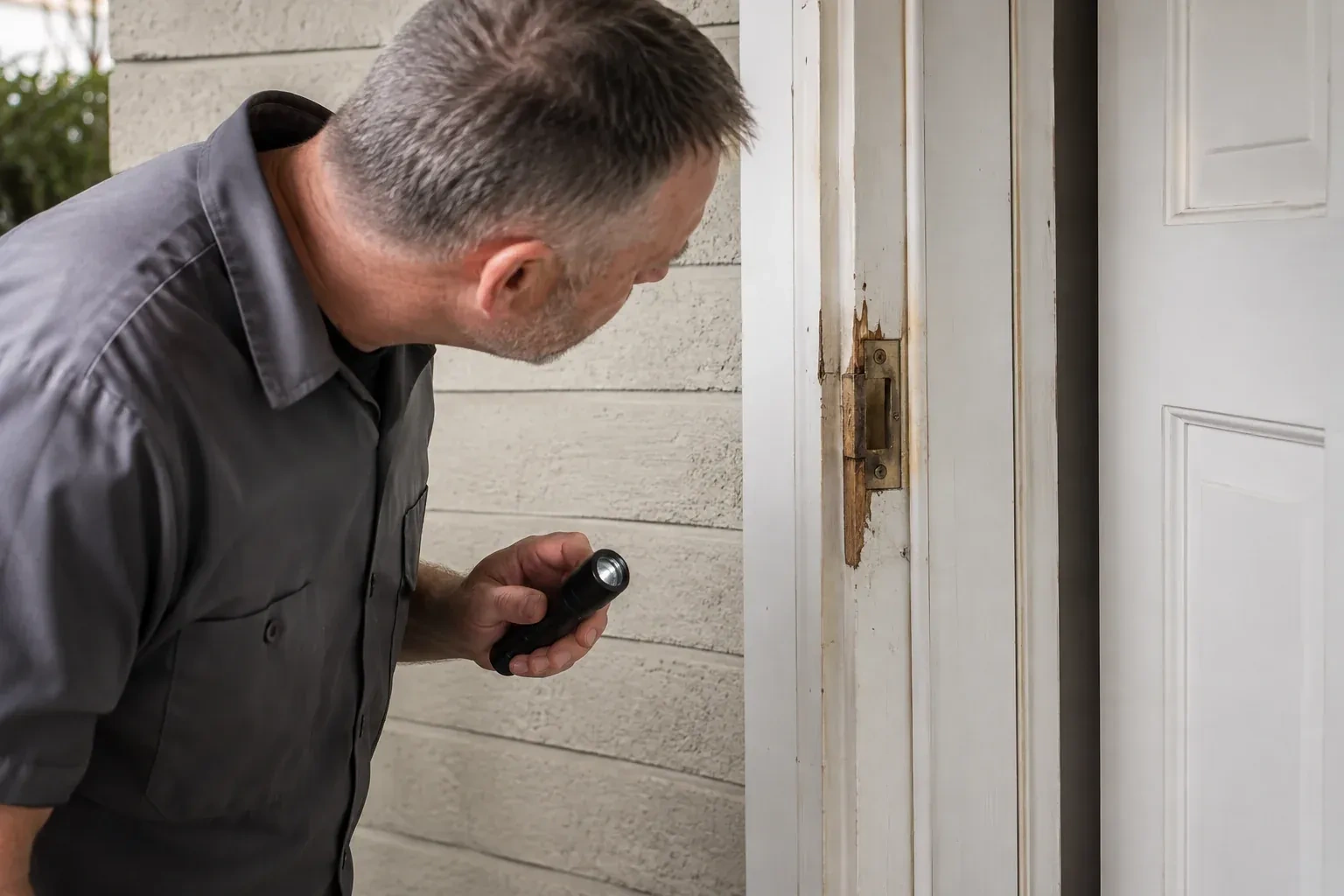
Someone pried at the gate latch overnight, and now the strike plate hangs by one screw and the cylinder spins loose in its housing. The gate still closes, technically, but a firm shoulder is all it would take to open it from outside.
The office has been reshuffled twice since the locks were last touched. Reception can open the server room, the warehouse crew has a key to accounting, and the chart that once explained who could open what has not been seen since the move.
Your toddler is buckled in the back seat, the doors locked when you shut yours, and your keys are on the front seat beside your phone. It is hot, the child is starting to fuss, and you need help this minute, not a discussion.
The car is yours now, but somebody else still holds a key to it. Adding another key is not enough; you want the old ones to stop working the vehicle so the question is settled for good.
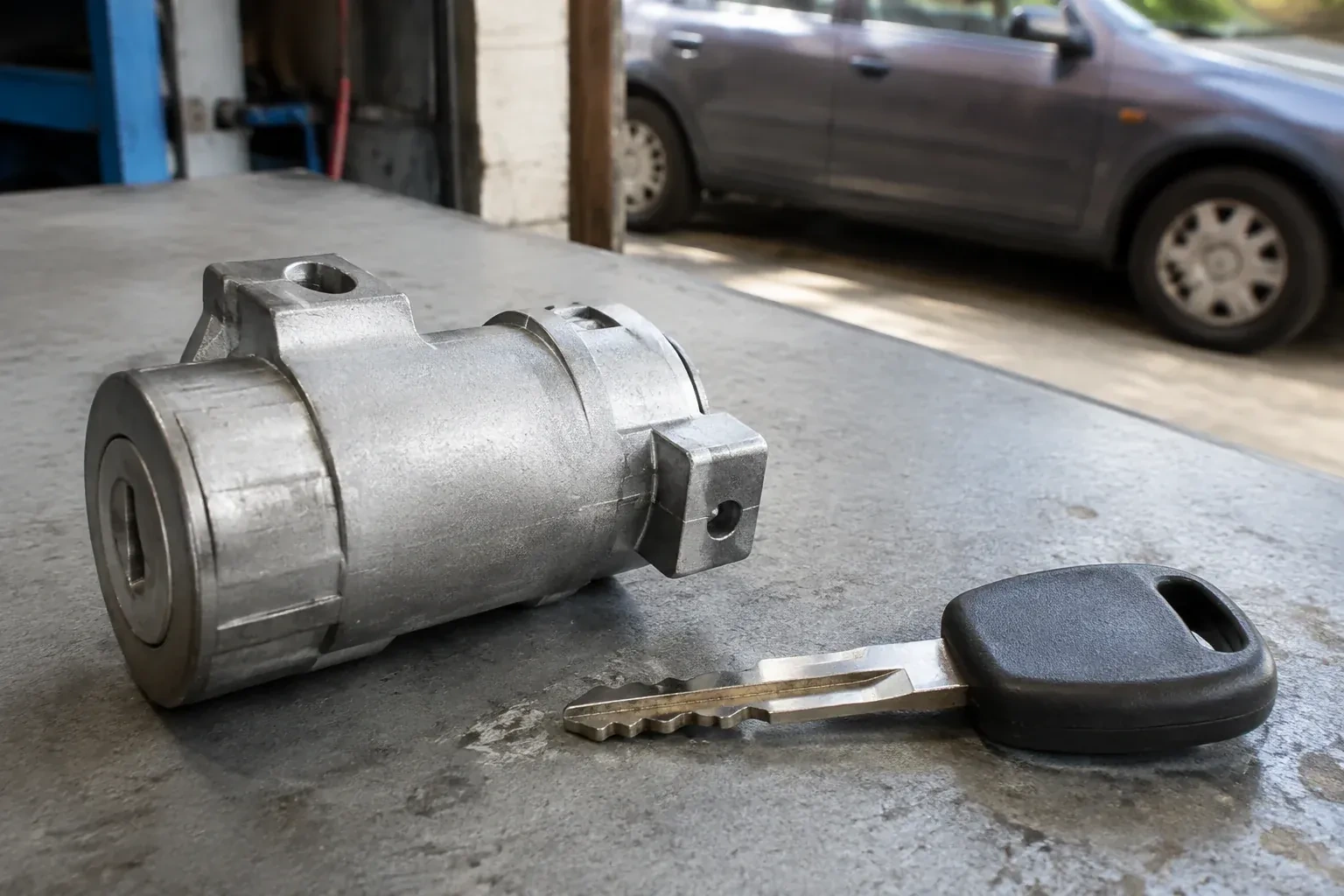
Half the key is still in your hand. The other half stayed behind in the ignition when it snapped, and now the dash won't light and the wheel won't unlock no matter how carefully you nudge what is left.
Most people think of the lock. Burglars think of the frame. A box strike with long screws into the stud, a reinforcing plate along the door edge and a bolt that reaches deep into the jamb do more against a kick than any cylinder alone.
You have lost count of how many people have had a key to your house over the years: cleaners, a contractor, a former partner, the previous owner's family.
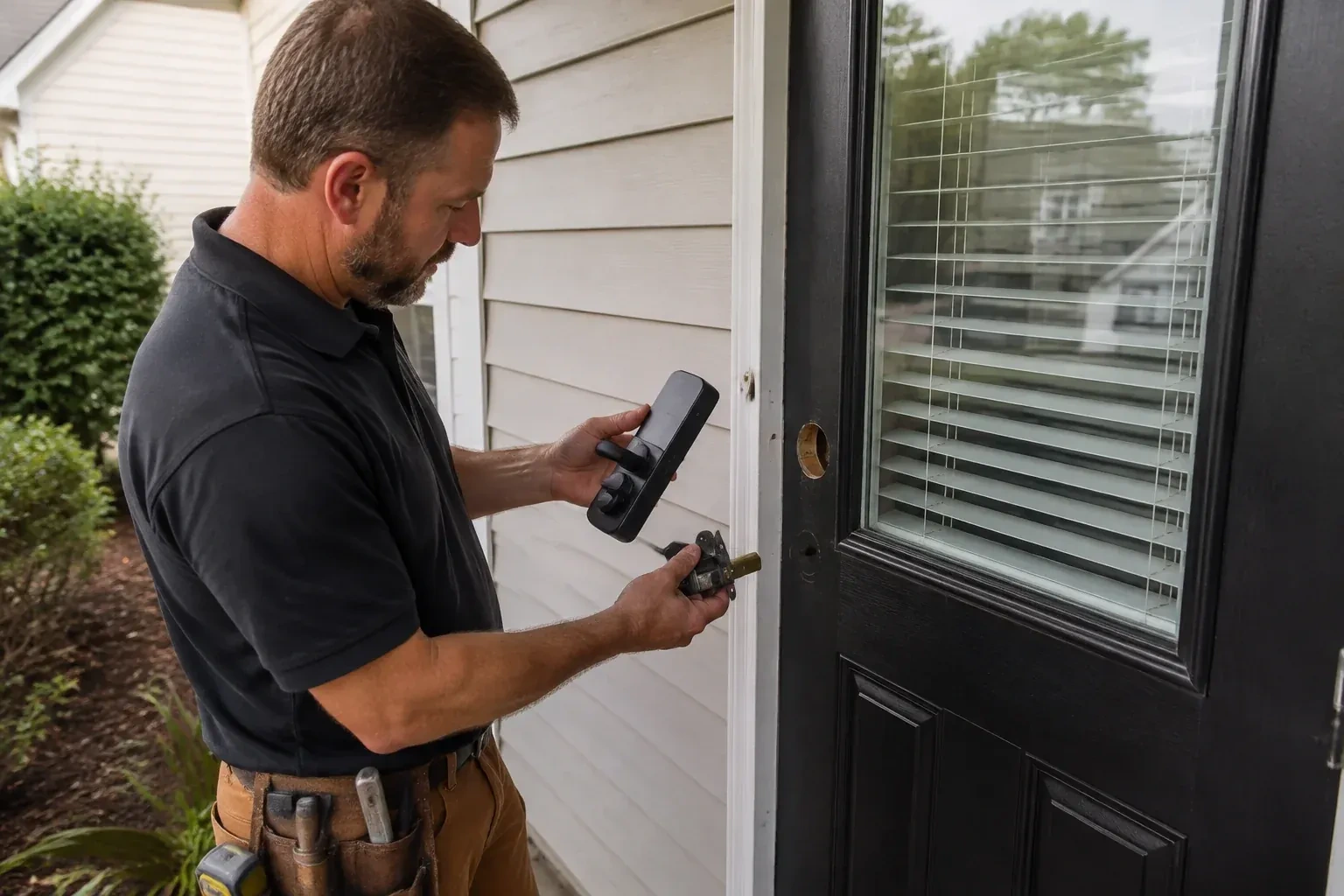
You bought a keypad deadbolt online and pulled the old one off, only to find the hole in the door is a different size and the bolt latch sits at a backset the new kit does not list.
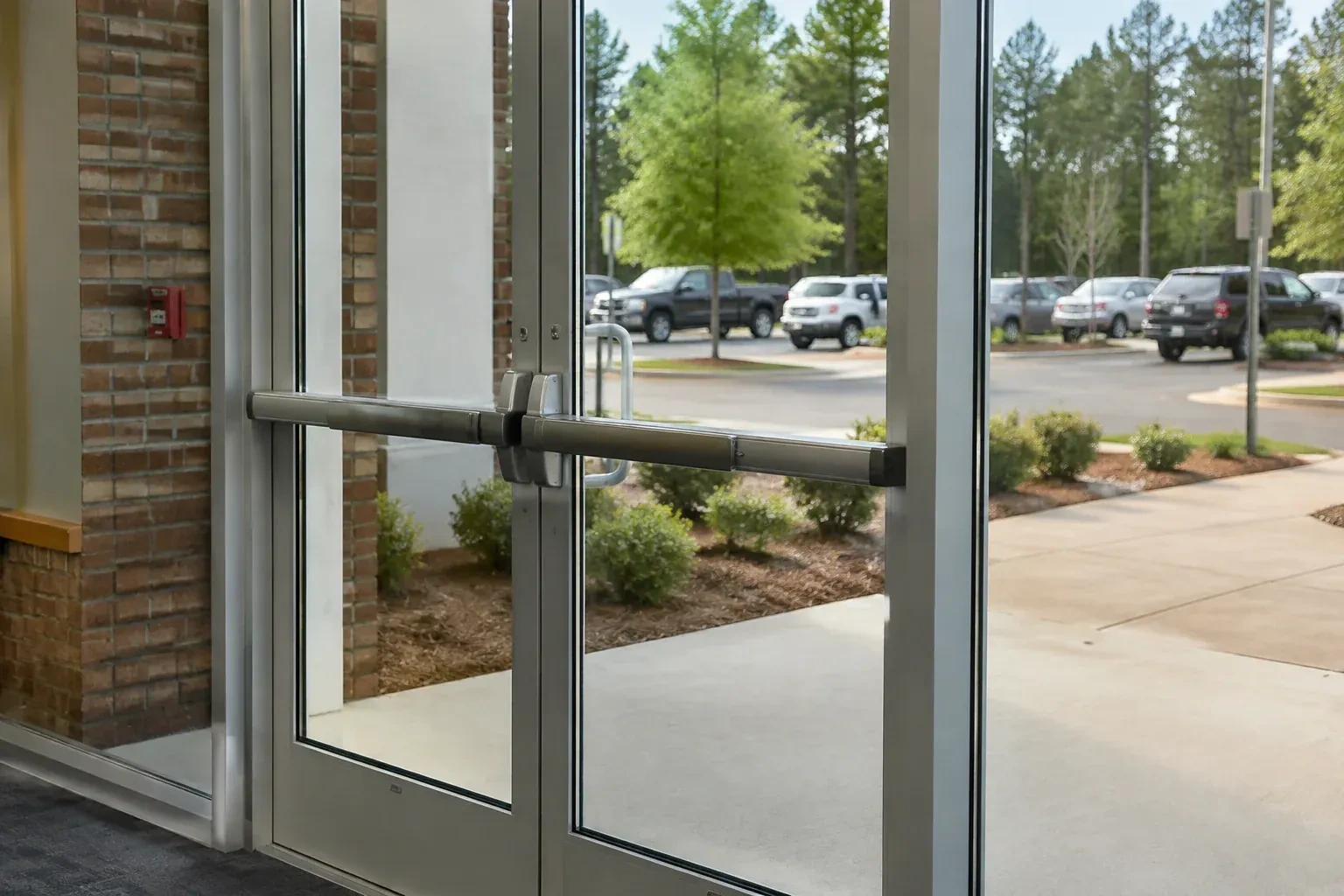
Panic hardware, door closers and exit devices are the parts of a commercial door that nobody notices until they fail. We service them, replace them and set them so the door closes fully and latches every time, which is what keeps the alarm and the lock meaningful.
WhyHardware bolted to a gate or an exterior building door lives outside every day of the year, which is a different job from a lock tucked behind a storm door.
The office has been reshuffled twice since the locks were last touched.
WhyMost ignition lock work happens where the vehicle already is, a driveway, a parking lot, a curb, rather than requiring a tow to a shop first.
How a visit goes
Describe the property, the hardware and what has changed, and the visit starts from what you have seen.
1
2
3
01
Making the door safe first
The priority is a door that closes and locks tonight. We assess the frame, the strike and the lock, and secure whatever was forced so you can stop worrying about the opening.
02
Sorting permanent from temporary
Some damage needs a proper repair later; some can be fixed on the spot. We separate the two clearly and explain what a lasting fix involves without pushing you into it.
03
Rekeying or replacing
If keys were taken or the lock was compromised, we rekey or replace before leaving. You end the visit with a door that locks and keys that only you hold.
When does a locksmith decide to drill instead of pick?
Drilling is the last rung, reached only when the cylinder has genuinely stopped cooperating. Typical reasons are a plug seized by corrosion or a failed spring, a key snapped deep inside that blocks the pins, a high-security cylinder whose anti-pick features make picking impractical, or a lock already damaged by someone's earlier attempt. The decision is explained before the drill comes out, the hole is confined to the cylinder, and replacement hardware goes in straight afterwards.
We have lost a master key. Is that different from losing an ordinary key?
Yes, because a master key opens every lock in its group, so one missing key touches many doors. The response is planned rather than rushed: the locksmith maps which cylinders the key operated, works with the property manager if the system is building-wide, and re-pins or swaps cores across the group so a new master takes over. Manufacturers' guidance on key control treats retrieving and tracking master keys as the foundation of the whole system.
My key is worn. Would a new copy have prevented this?
Possibly, if the key was part of the cause. A worn or bent key lifts the pins short of the shear line, so the plug binds even in a healthy cylinder, and a copy made from that key repeats the wear. A key cut from the code or from a crisp original is the fix. If the lock was also gritty or the door had moved, the new key would have eased things without settling them, which is why the locksmith checks all three.
How do I look after a new lock so it stays smooth?
Very little is needed. Whatever lubricant and interval the cylinder maker specifies, worked into the keyway with a few turns of the key, keeps the pins free; using the wrong product collects grit instead of helping. Wipe salt off exterior hardware during winter melts. Snug the hinge and strike screws each spring and fall as the door moves with humidity. Cut spare keys from a crisp original rather than a worn copy.
How do you decide whether to repair a gate lock or replace it?
The decision follows what the assessment actually finds rather than the age of the hardware alone. A cylinder that is only stiff or slightly worn is usually serviced and left in place, while one that is pitted, cracked or built to a grade unsuited to its exposure is replaced. The same logic applies to a closer or hinge: adjustment first, replacement only once the part itself has genuinely failed. You are told which category the hardware fell into and why before any work proceeds.
What is a keying chart and why does it matter afterwards?
A keying chart is a plain list of every opening, the key group that operates it, the code stamped on those keys and the number issued. Months later it lets you answer exactly which doors a missing key opened, and it lets a locksmith add a new door to the system without changing anything else. Keep it with the key register, somewhere locked, with a copy off site.
Will opening the car damage the paint, the door or the seal?
A professional opening leaves nothing behind. Door-edge guards sit between tools and paint, the air wedge is inflated in small steps so the frame flexes evenly and returns to shape, and the reach tool is padded. Where the car has a door cylinder, a matched pick-and-decoder turns it exactly as a key would. Any mark already present is pointed out before work begins, and the door, glass and seal are checked over at the end.
The car is leased or belongs to my employer. Can you still make me a key?
Yes, with the right paperwork. For a leased car, the lease agreement in your name together with your identification and the permit covers it. For a company vehicle, the locksmith needs authorization from the business: a work order, purchase order or letter naming the VIN and the person collecting the key. Mention the arrangement when you call so the correct document is ready and the record can be completed properly.
Do you need to confirm that I own the vehicle before starting?
Yes, and it takes only a moment when the paperwork is on hand. A vehicle permit or registration document matched to identification settles it in most cases. If the vehicle is a rental, a fleet vehicle or belongs to someone else, a lease, a work order or a call to the registered owner fills the gap. This step protects every vehicle owner who might one day call about their own ignition.
Request a visit
When you call from West Hill, a locksmith answers, not a dispatcher reading a script. He asks what the door is doing, tells you what the visit will likely involve, and arranges a time. The assessment and the price happen at the door, once he has seen the hardware. The same person who took the call is the one who does the work.