Locksmith in Guildwood Village, OntarioDeadbolts installedthe right way
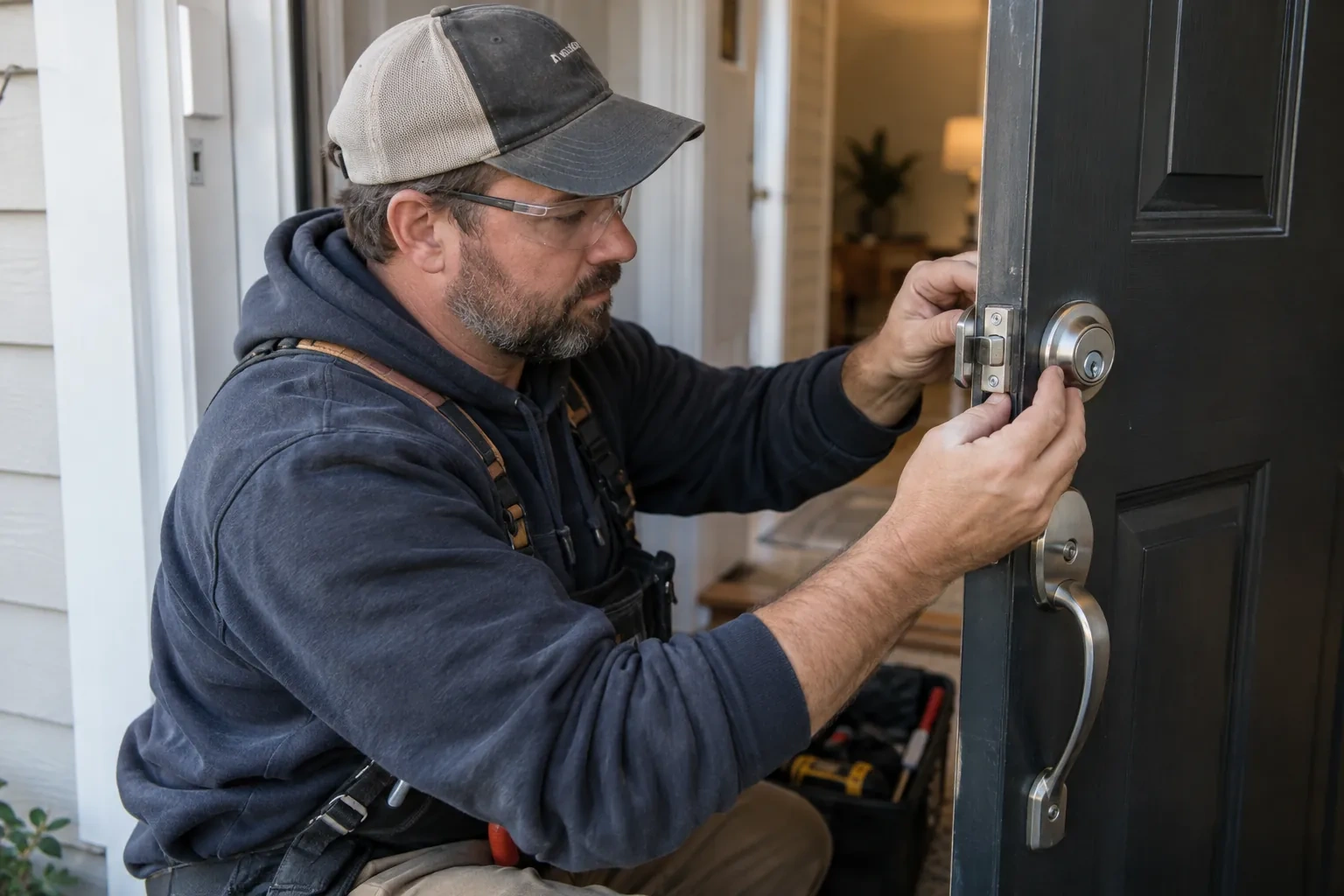
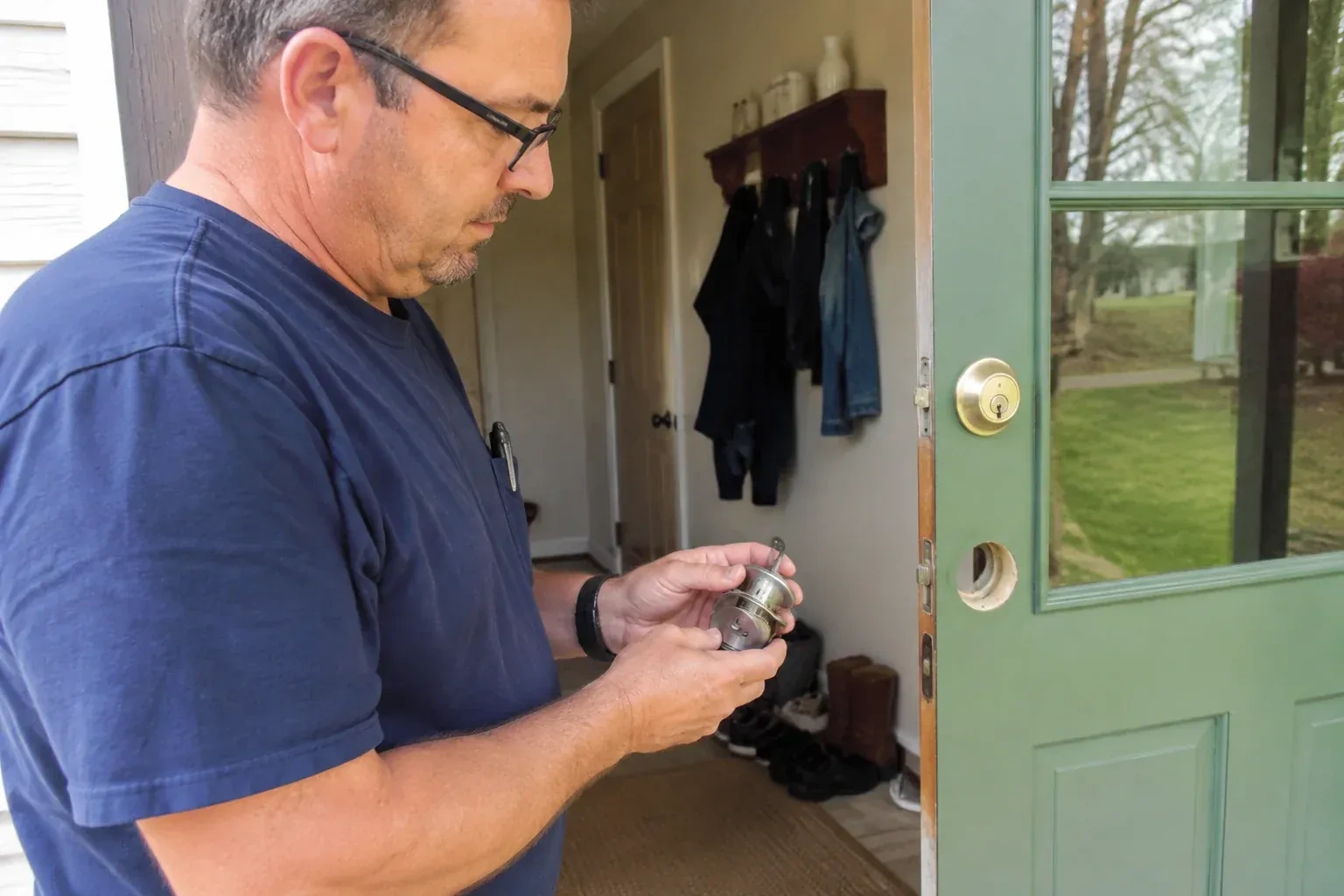
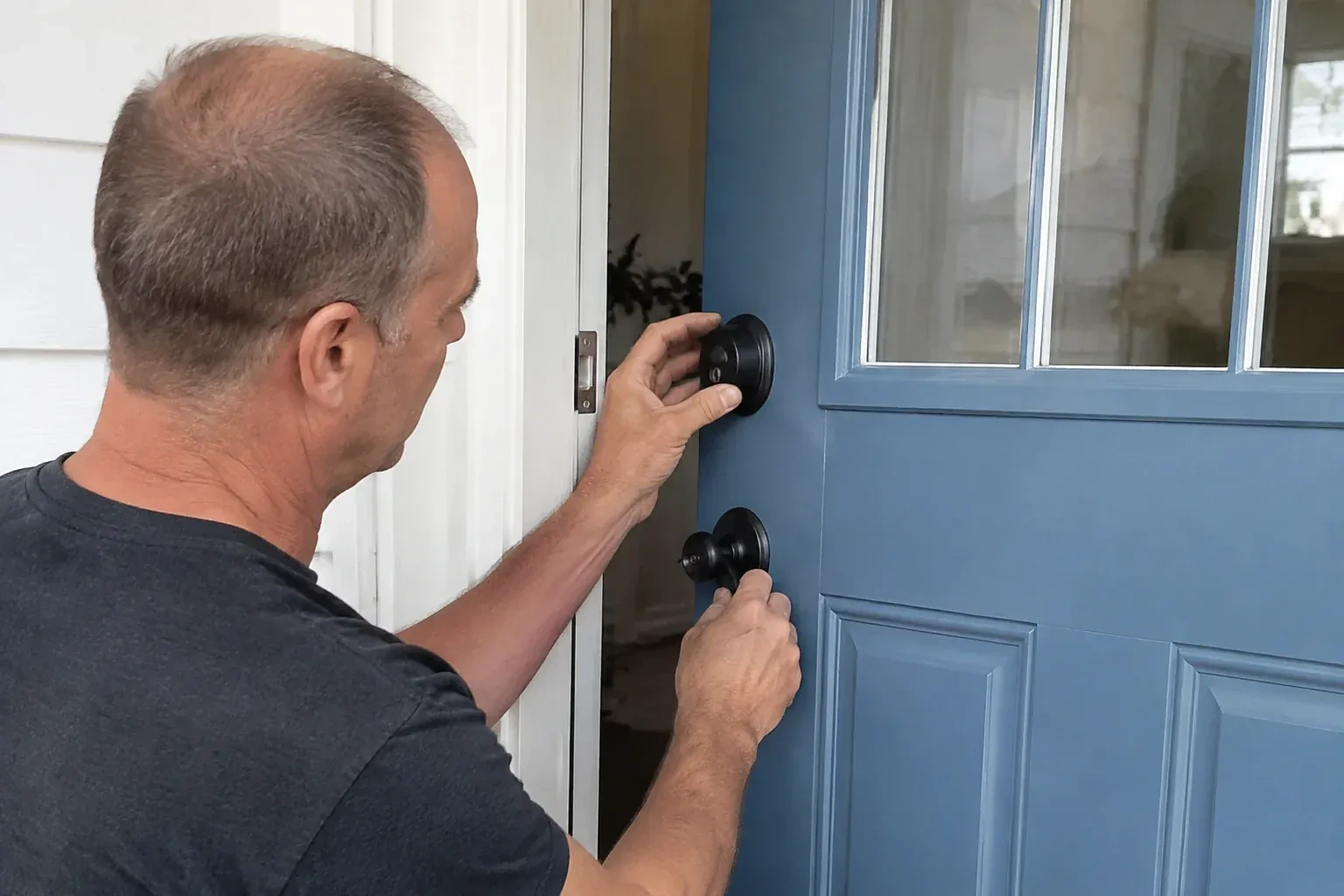
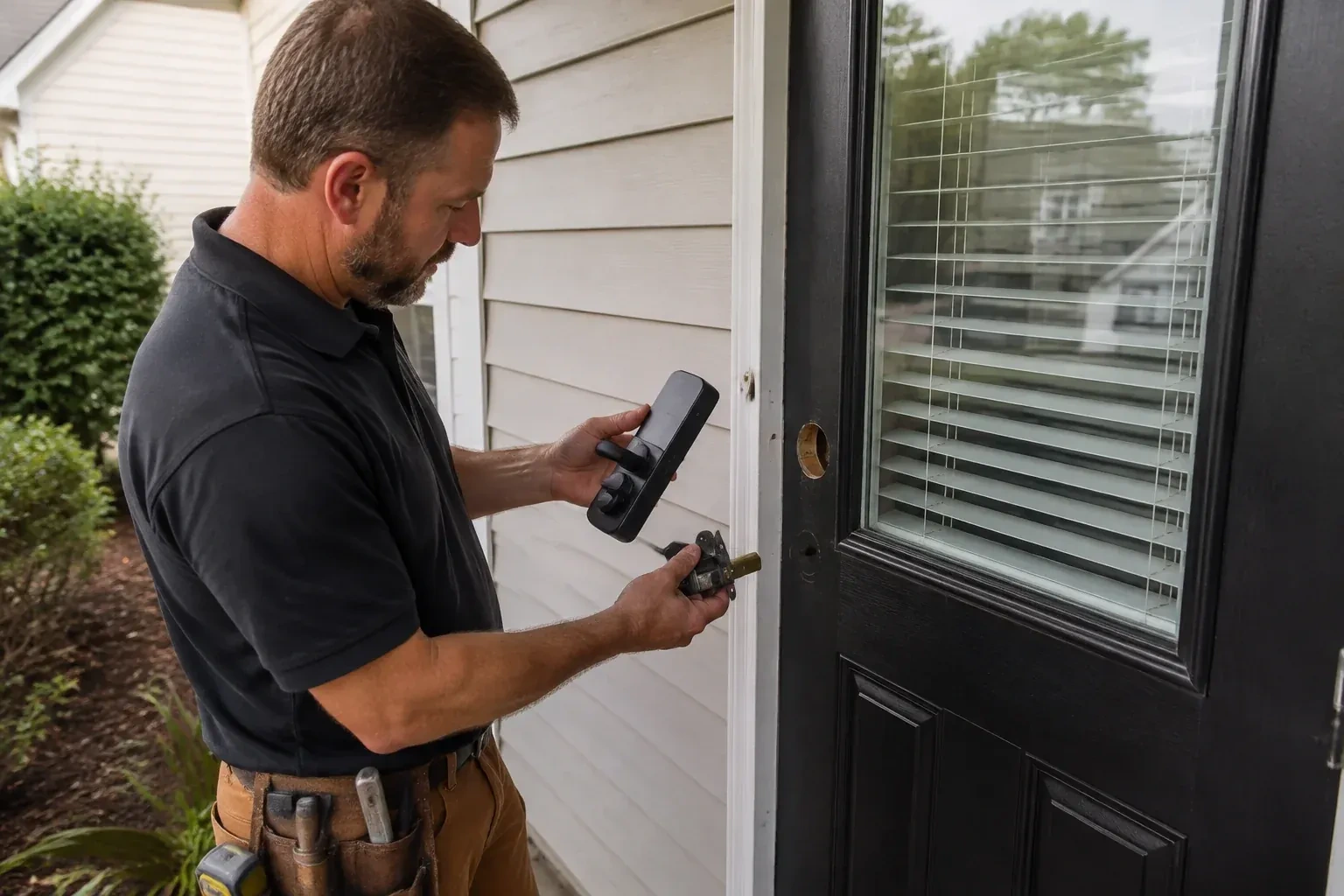
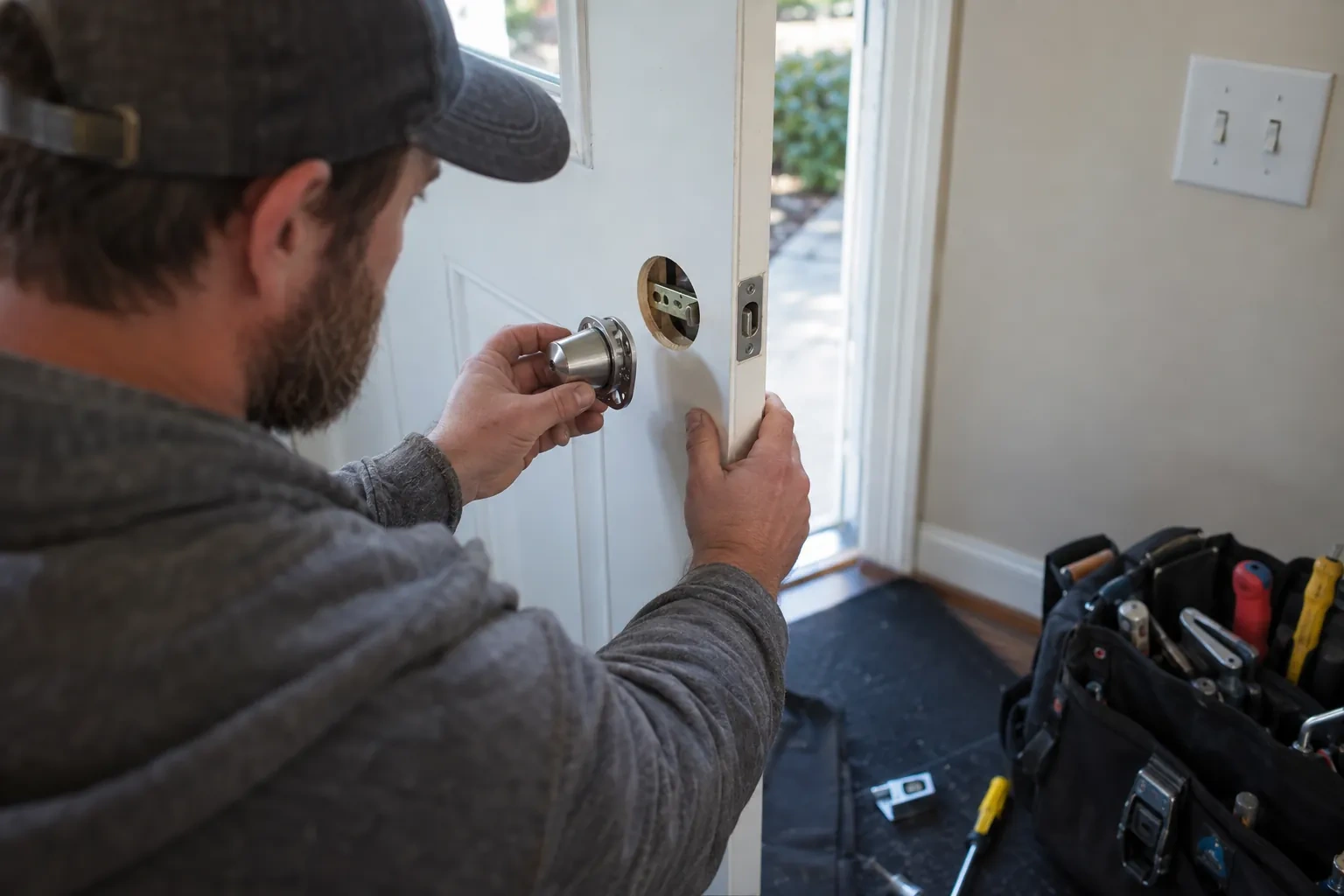
A deadbolt is only as strong as the hole it was bored into and the plate it throws into. In Guildwood Village we install new deadbolts on doors that have never had one, replace worn units on doors that have, and set the strike so the bolt slides home without lifting or leaning on the door.
A deadbolt is only as strong as the hole it was bored into and the plate it throws into. In Guildwood Village we install new deadbolts on doors that have never had one, replace worn units on doors that have, and set the strike so the bolt slides home without lifting or leaning on the door.
Honest advice about your locks.
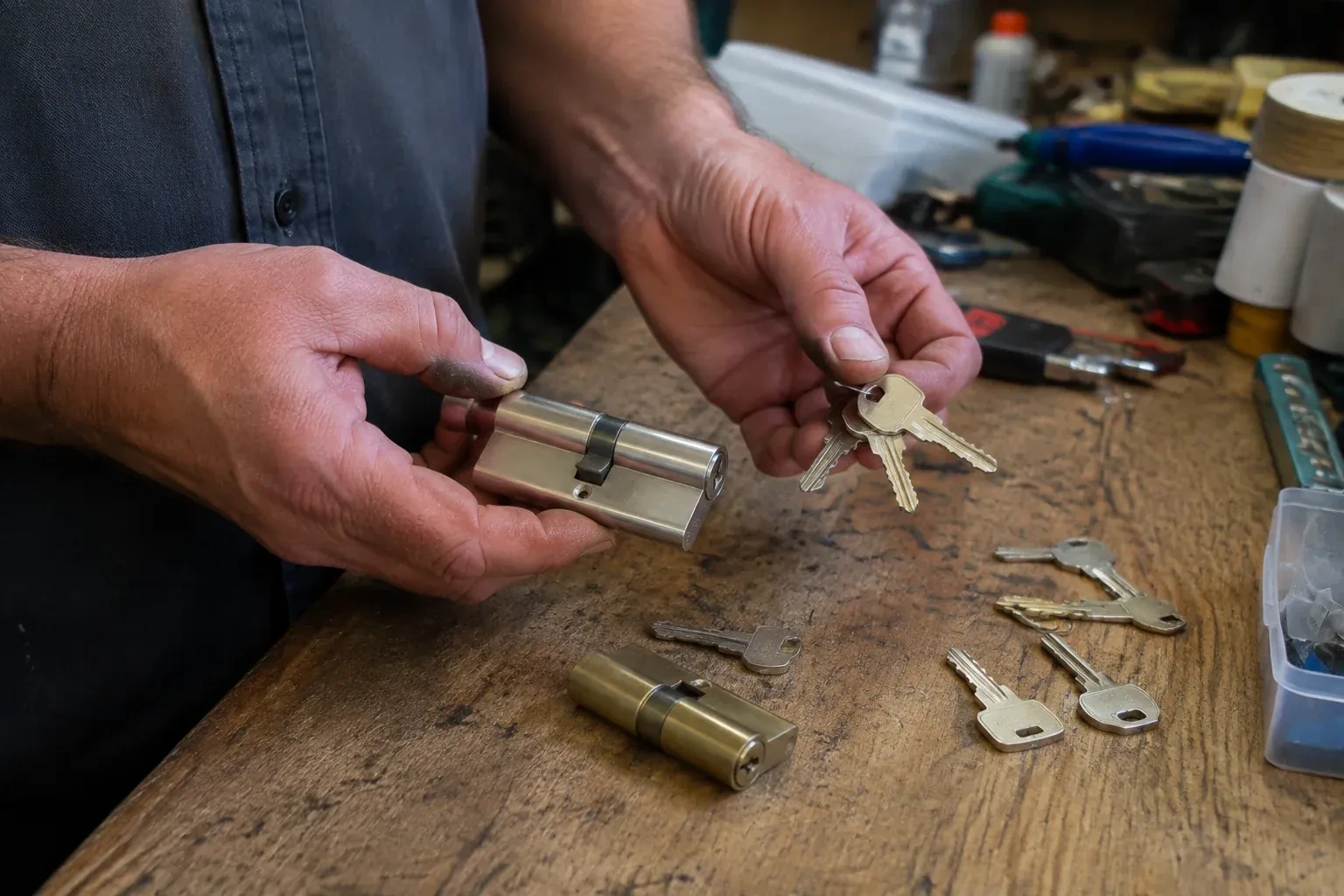
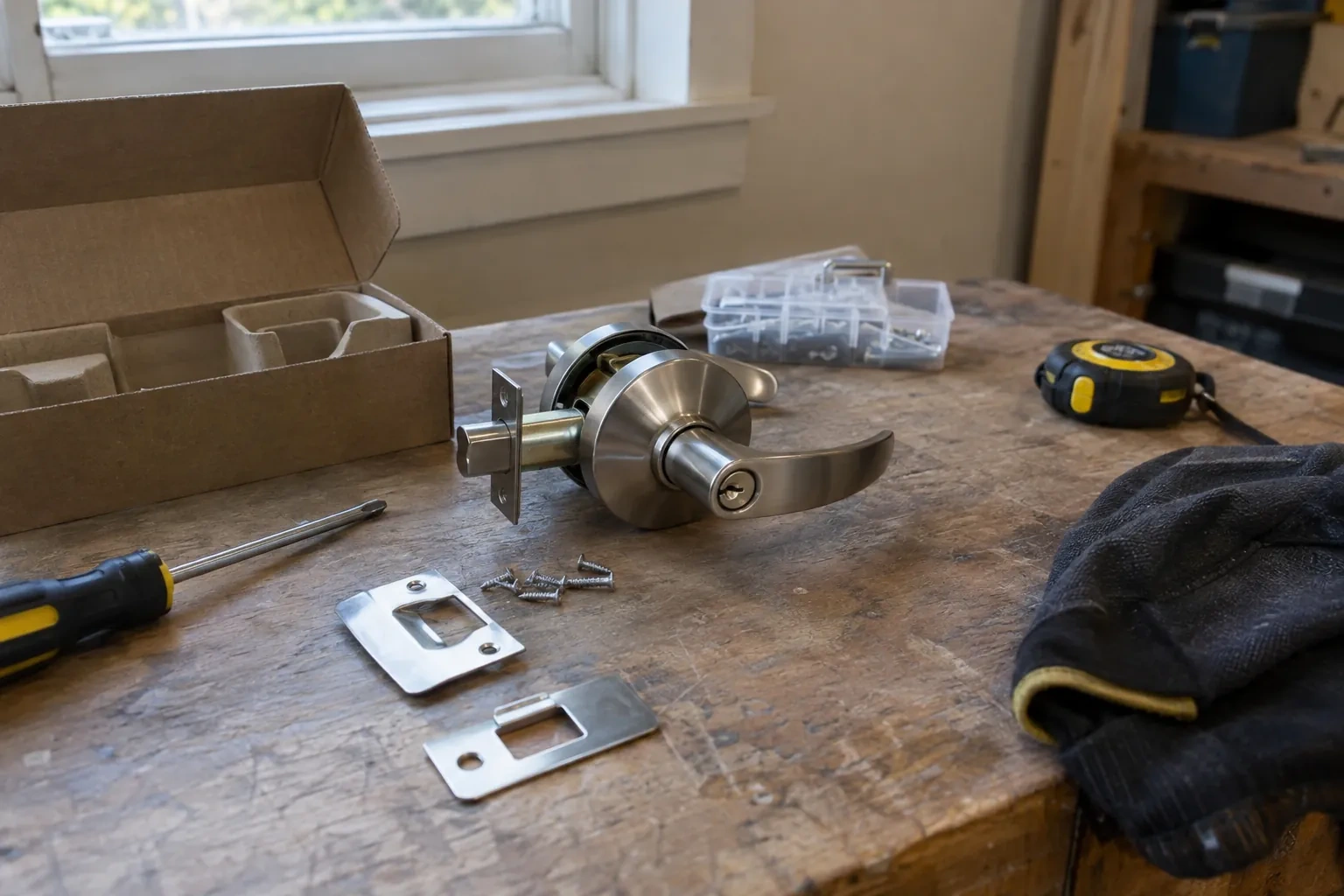
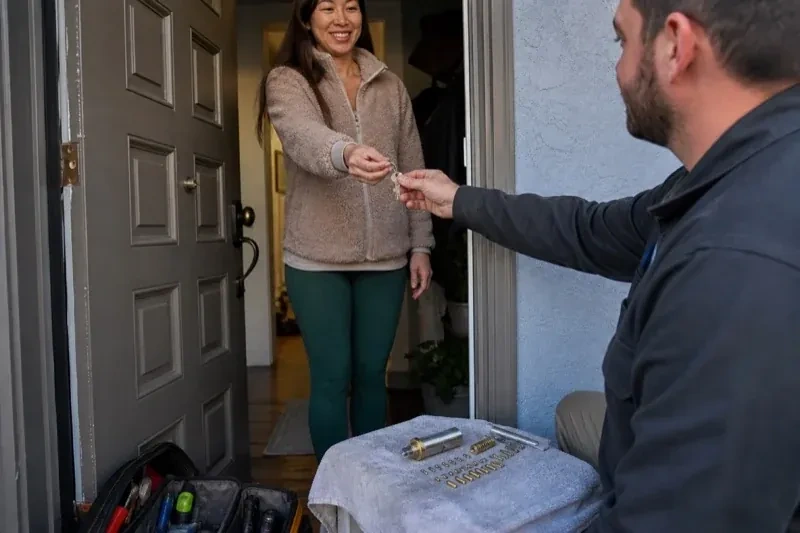
Households in Guildwood Village often collect locks from different decades that all take different keys. We rekey them to a single key where the hardware allows, replace the one or two that cannot be matched, and set up a spare that lives somewhere sensible. You leave with a lighter ring and a clear idea of which key does what.
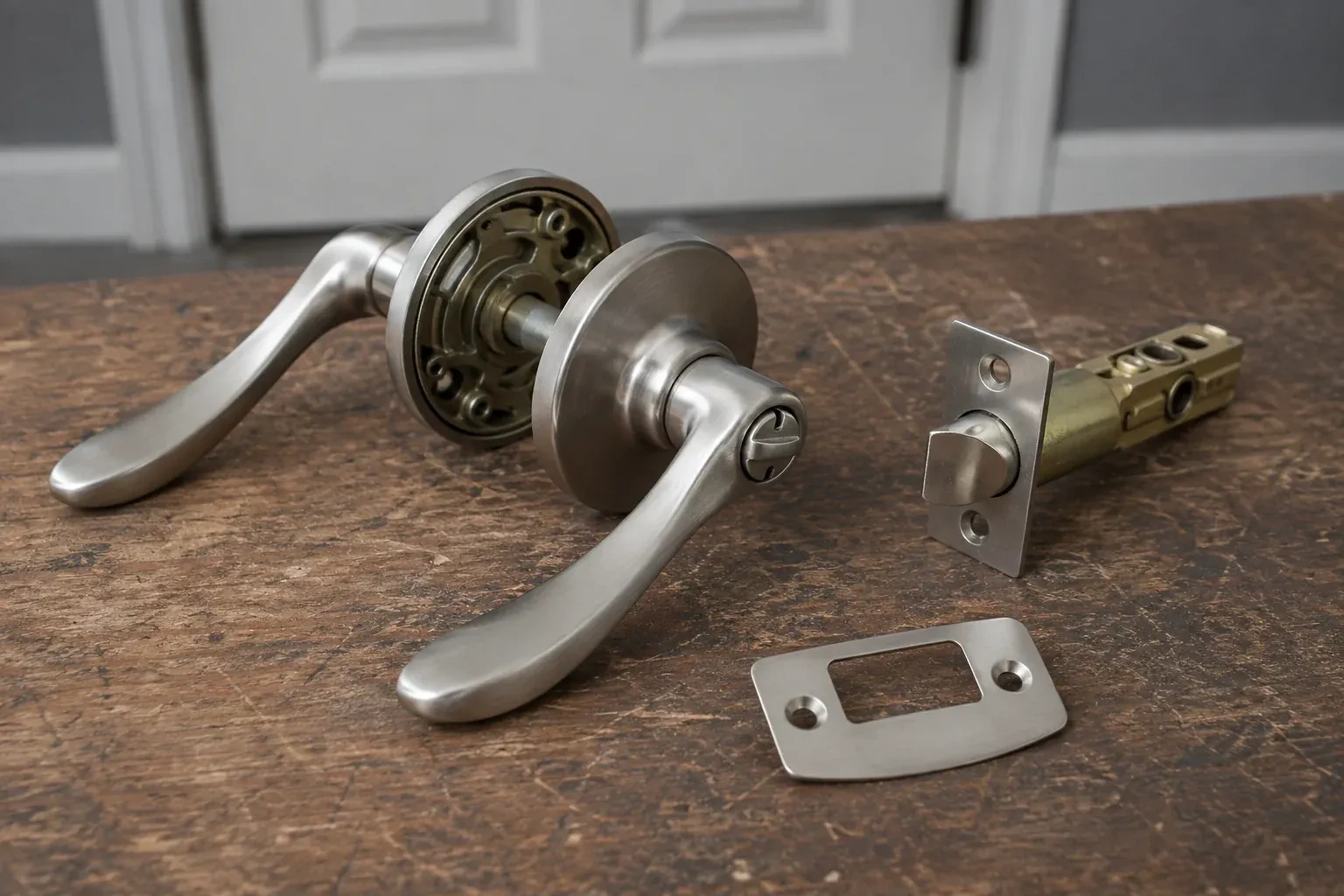
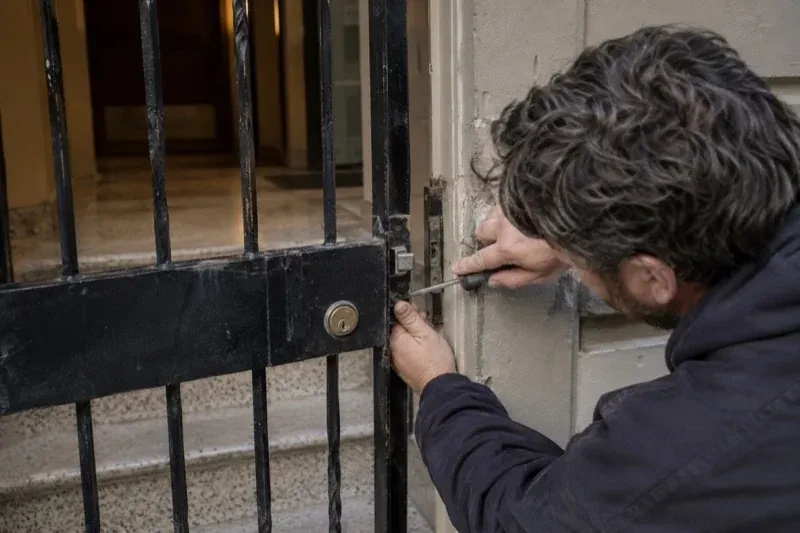
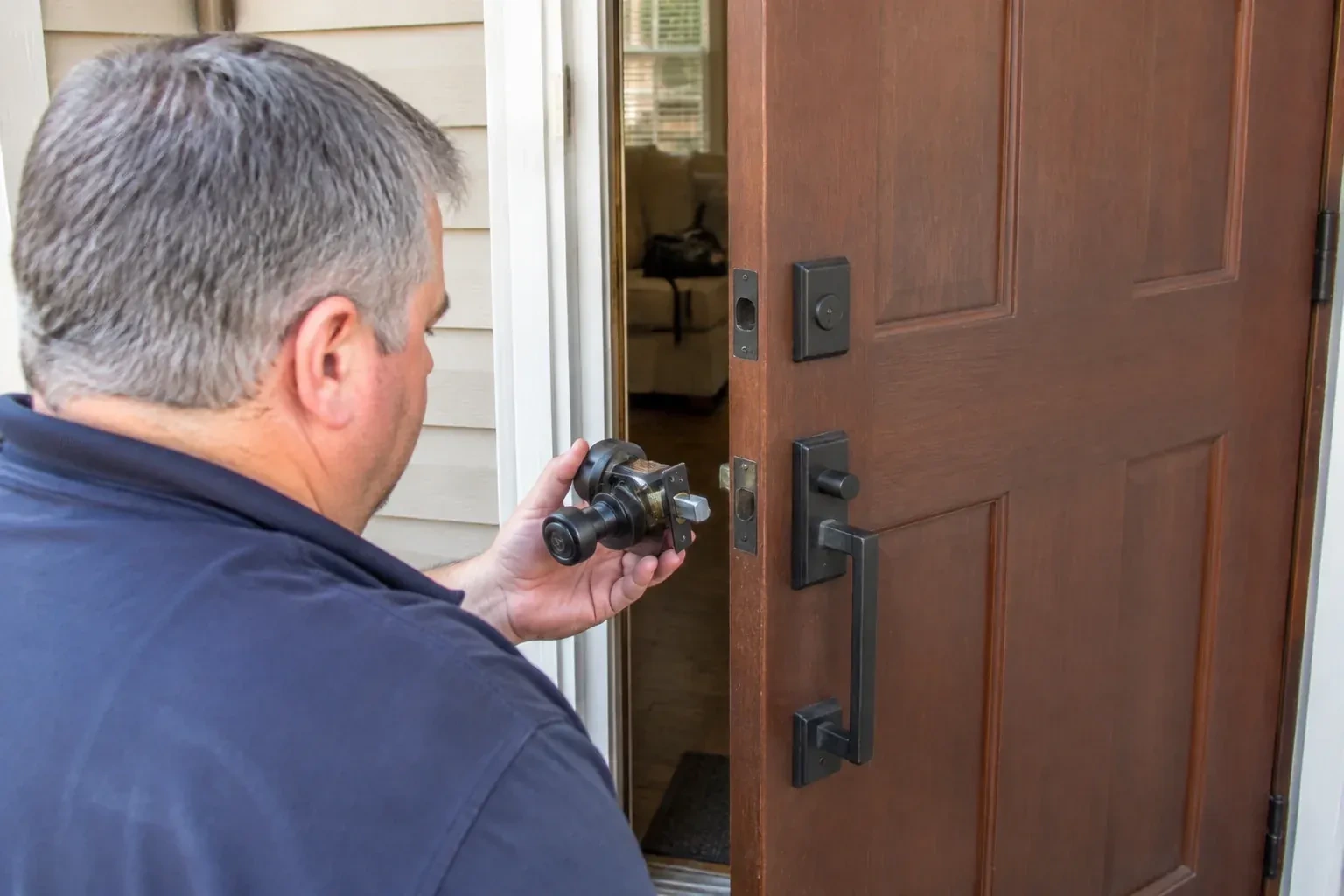
Doors in Guildwood Village take a beating from weather, use and the occasional slammed exit. We repair what can be repaired: worn cylinders, loose handles, strikes that have drifted, latches that no longer catch. When replacement is the right call, we say so and show you the options in your hand. Either way, you end up understanding your own door better.
15years in business
24/7open every day
A look before a verdict. We inspect the door, frame and lock before suggesting anything. Diagnosing from the driveway is how people end up with parts they did not need.
Two or three real choices. Where there are sensible alternatives we explain them side by side, including the option of doing less than you expected.
The job finished properly. Tested, aligned, cleaned up and demonstrated. We do not consider a lock done until you have turned the key yourself.
Reach a locksmith serving Guildwood Village right now
Below, each lock and key service we offer in Guildwood Village gets its own page, with a description that assumes no prior knowledge. Start anywhere. Many customers arrive for a lockout and leave knowing exactly why the strike plate on the back door has bothered them for years.
About 58% of homes in Toronto were built in 1980 or earlier, according to the 2021 Census.
Older homes
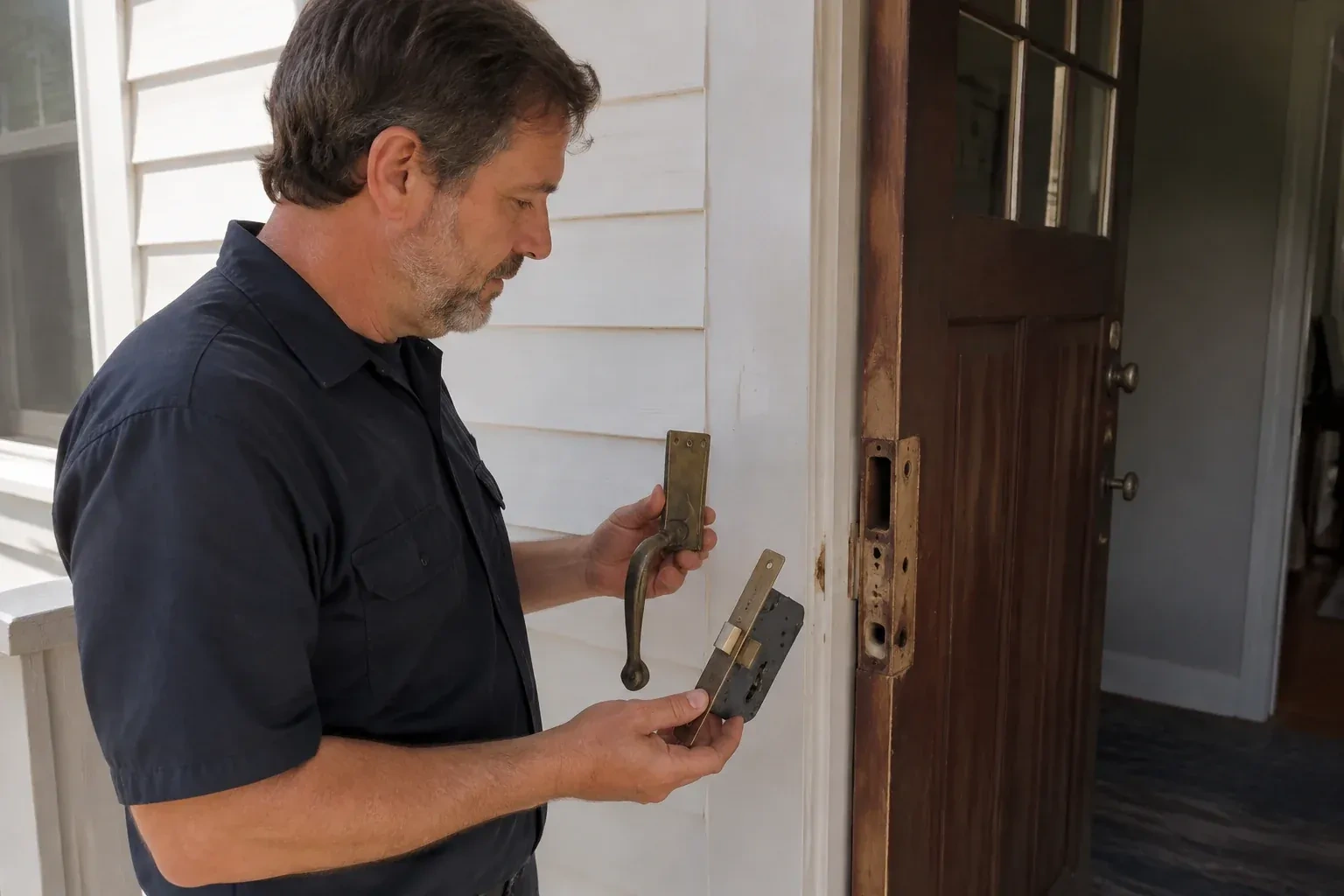
Period hardware on older homes deserves matching parts, not a mismatched modern set. A locksmith who works among such houses keeps finishes and styles that suit them, so a repaired or replaced lock still looks like it belongs to the door.
Single-detached houses make up about 23% of homes in Toronto (2021 Census).
Townhouses share walls but usually have their own front door and often a back door or garage. Keying both alike, and checking the strike on the less-used door, is the everyday work in a neighbourhood of attached homes.
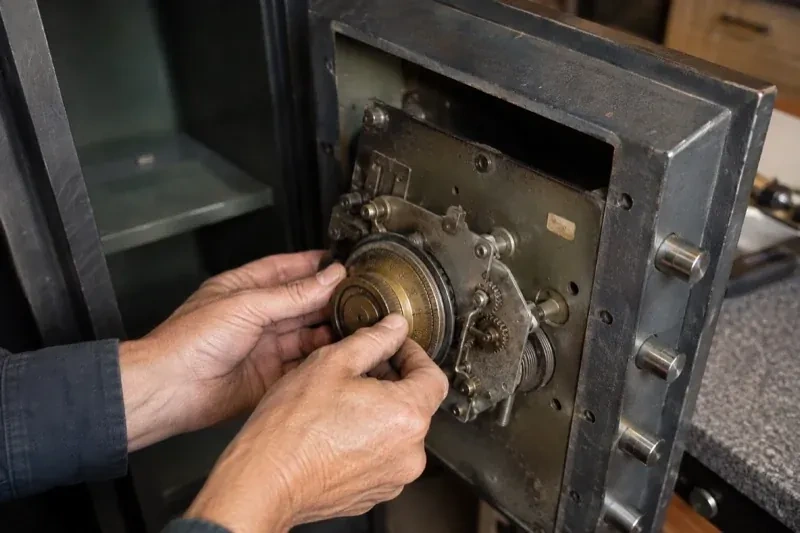
The new manager took over the shop last month and only now needs the back-office safe open, but the combination the previous owner was supposed to leave in writing never turned up anywhere in the handover file.
The till drawer has been holding two days of cash because the new shop never got a proper safe, and a locked drawer under the counter is the only thing standing between that cash and anyone who works late.
Which fix fits?
A roommate tried to help with tweezers, then by gluing the other half to it.
WhyHigh security locks are cylinders and deadbolts designed to defeat the methods used against ordinary doors.
The keypad on the side door has started sticking on cold mornings, codes get shared instead of reset, and half the staff still remember a code you meant to retire two hires ago.
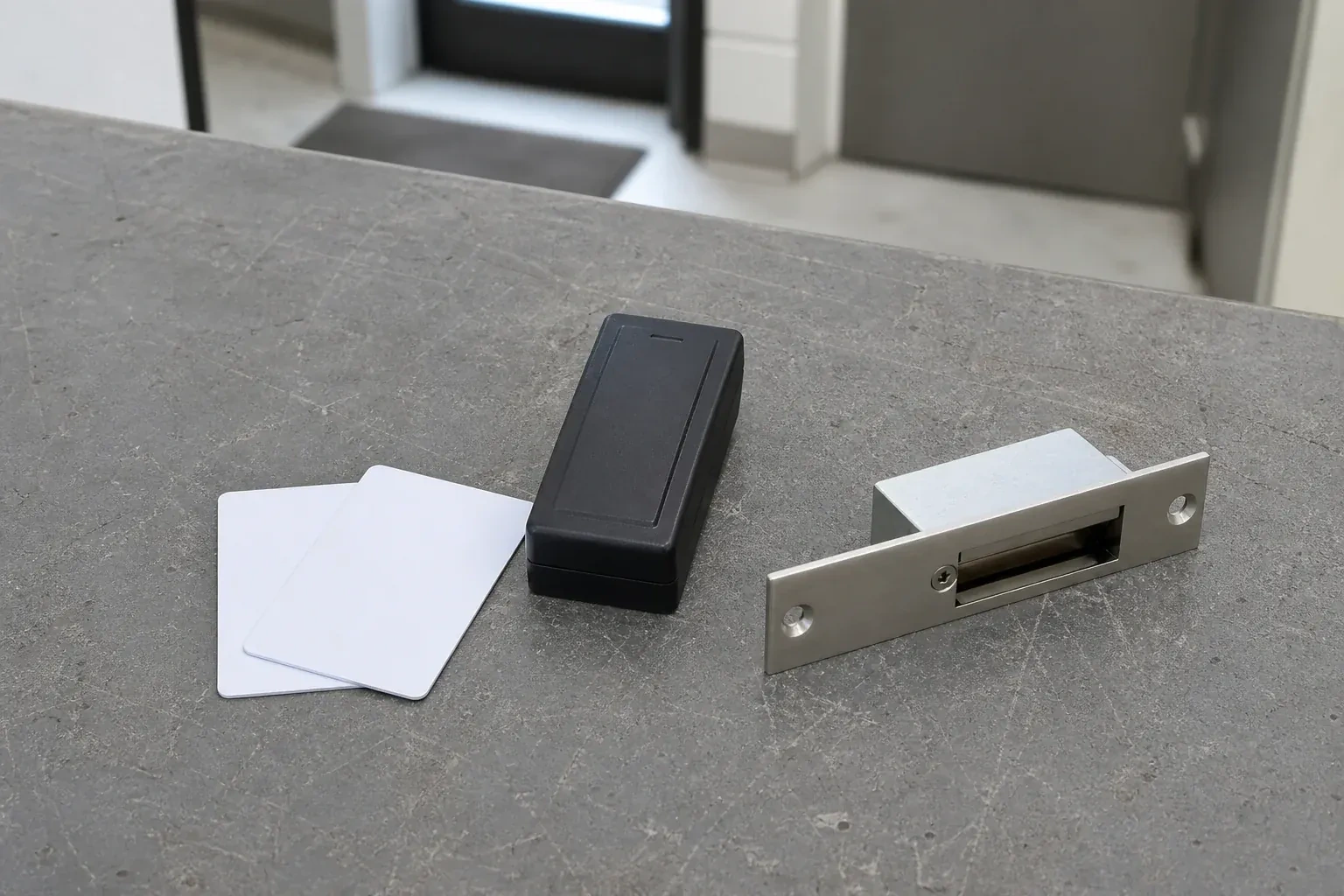
WhyA building already running an intrusion alarm or a camera system gains from an access control installation that speaks to them rather than sitting apart from them: an arm-and-disarm event that lines up with the person who unlocked the door, a camera clip tagged to a specific credential instead of a blank time stamp.
It is a January morning, minus twenty with the wind, and the key will not enter the door cylinder.
WhyThere are two starting points, and the first question on the phone is which one you are in.
A cracked case or a spin through the wash left the fob unresponsive, and opening it up reveals a slightly corroded board where the buttons used to sit.
WhyLosing a fob raises a question a spare doesn't answer on its own: whoever has the missing one can, in principle, still use it.
How a visit goes
Describe the property, the hardware and what has changed, and the visit starts from what you have seen.
1
2
3
01
Making the door safe first
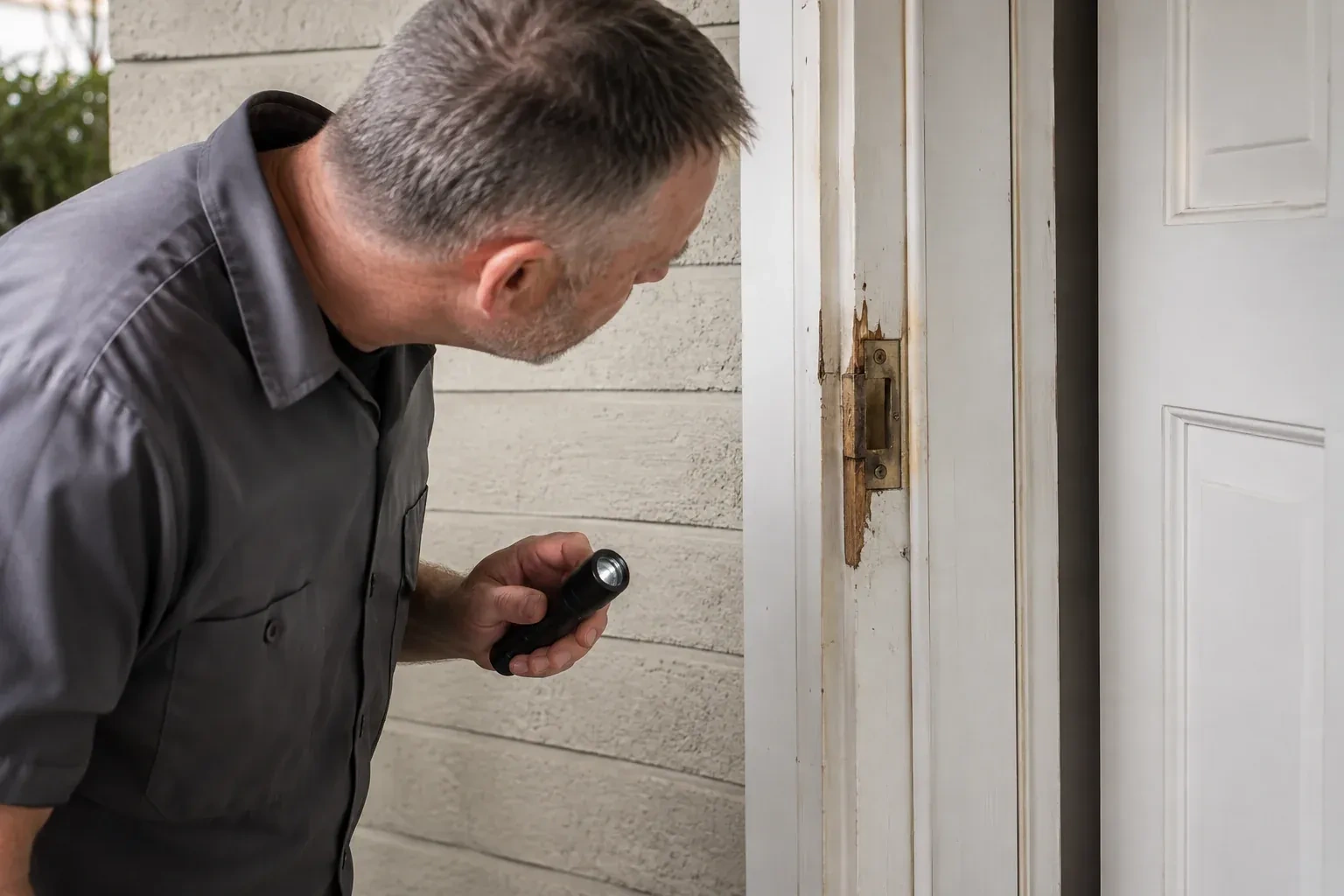
The priority is a door that closes and locks tonight. We assess the frame, the strike and the lock, and secure whatever was forced so you can stop worrying about the opening.
02
Sorting permanent from temporary
Some damage needs a proper repair later; some can be fixed on the spot. We separate the two clearly and explain what a lasting fix involves without pushing you into it.
03
Rekeying or replacing
If keys were taken or the lock was compromised, we rekey or replace before leaving. You end the visit with a door that locks and keys that only you hold.
Good days. Start with a turn.
1/9Broken Key Extraction
A roommate tried to help with tweezers, then by gluing the other half to it. The fragment is now further in than it started, there is dried glue around the keyway, and the front door still does not open.
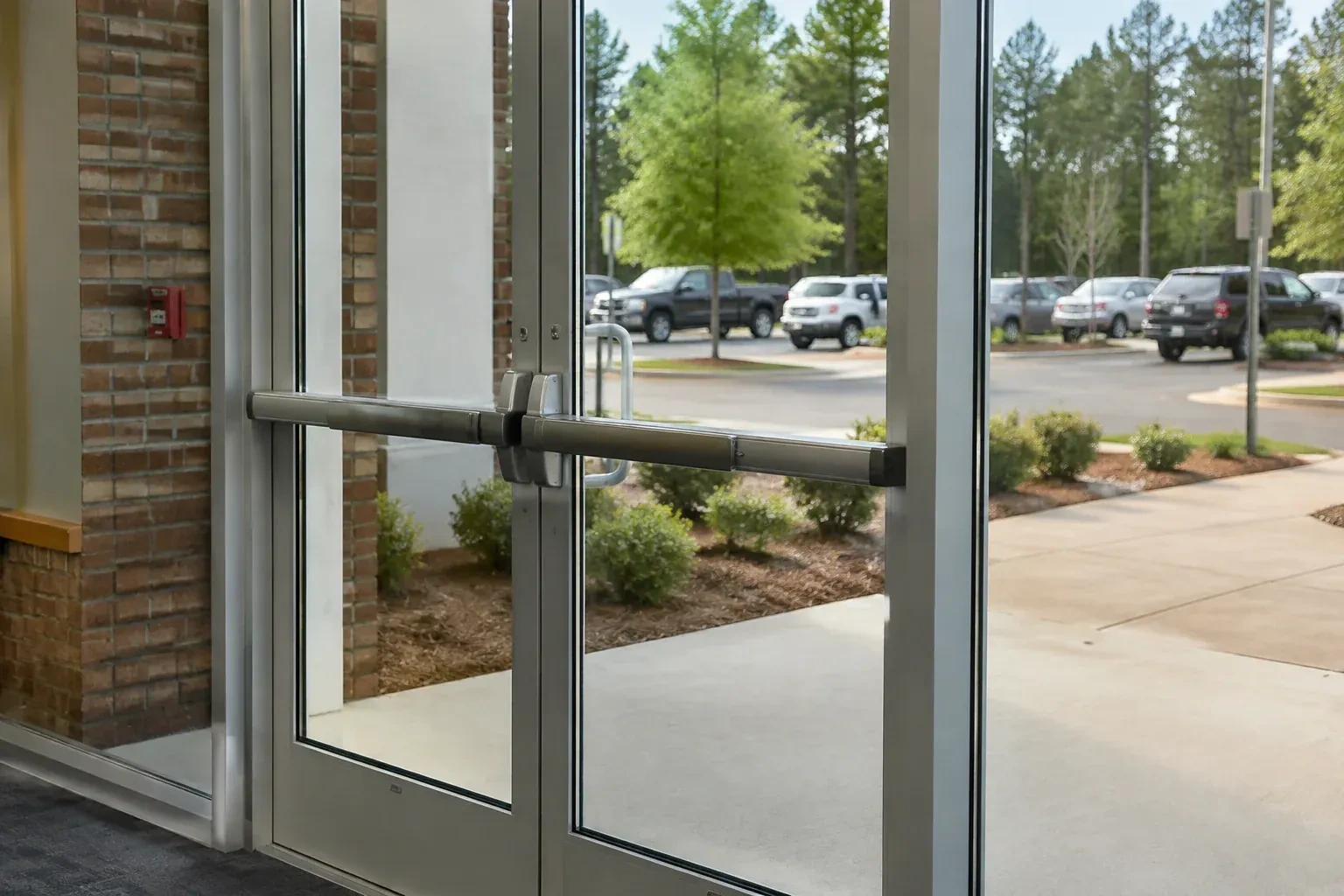
The shop's aluminum door has a bent meeting stile and the hookbolt is jammed half out. The alarm did its job and the display is untouched, but the entrance will not close properly and opening time is hours away.
It is the coldest morning of the winter and the key goes halfway into the side door and stops. There is frost on the face of the cylinder, and the door on the shaded side of the house has done this before.
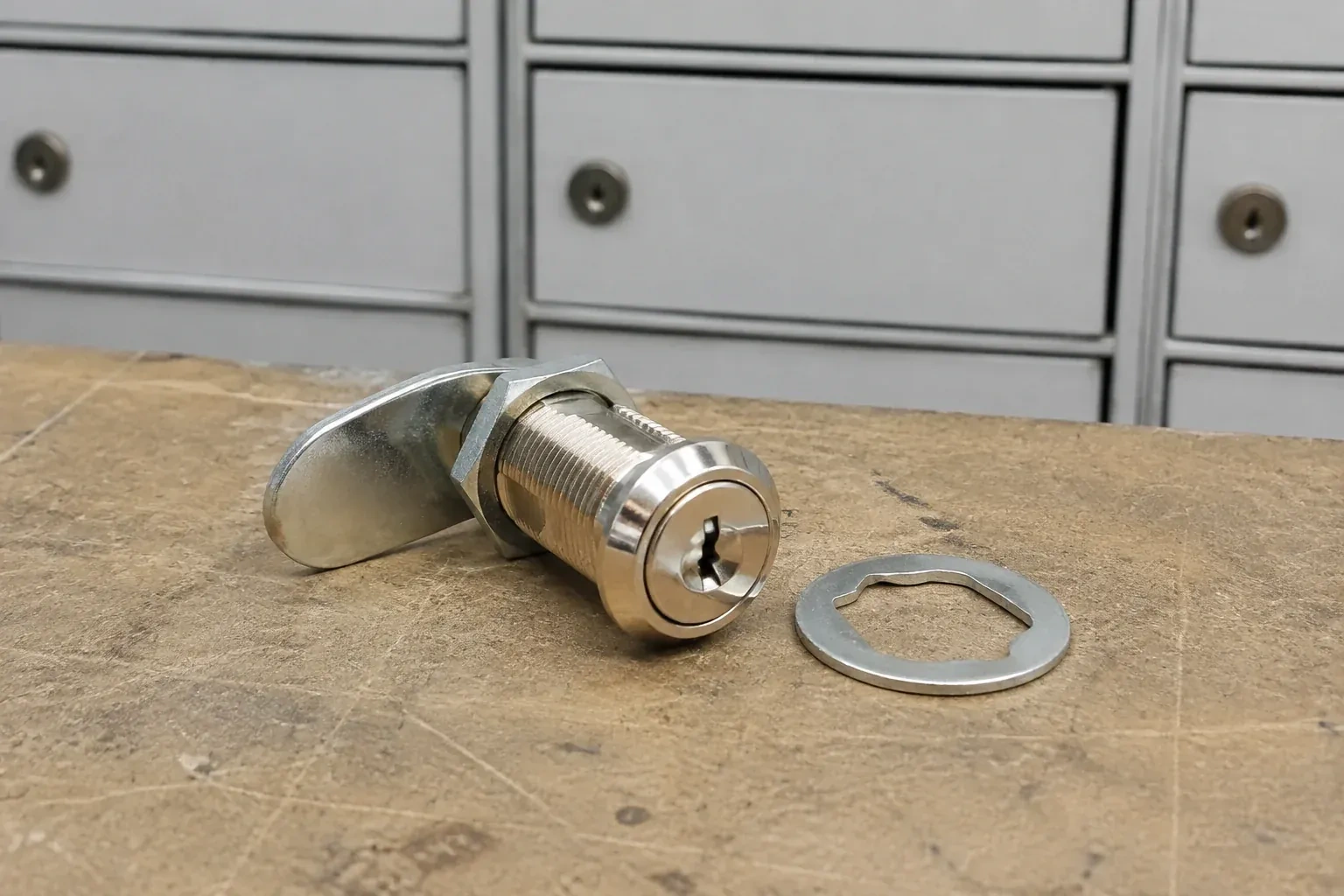
The mail slot on the shop's exterior wall has a small compartment lock that a former employee still has a key to, months after they left. Nobody on staff can say with any confidence who else might hold a copy.
The pharmacy stockroom, the server closet or the cash office is protected by the same ordinary cylinder as the staff washroom. One lost key on a lanyard would open all of them.
The keypad on the side door has started sticking on cold mornings, codes get shared instead of reset, and half the staff still remember a code you meant to retire two hires ago.
It is a January morning, minus twenty with the wind, and the key will not enter the door cylinder. Yesterday's slush ran into the keyhole and froze overnight. The door itself is glued to its rubber seal, and the fob has gone quiet in the cold.
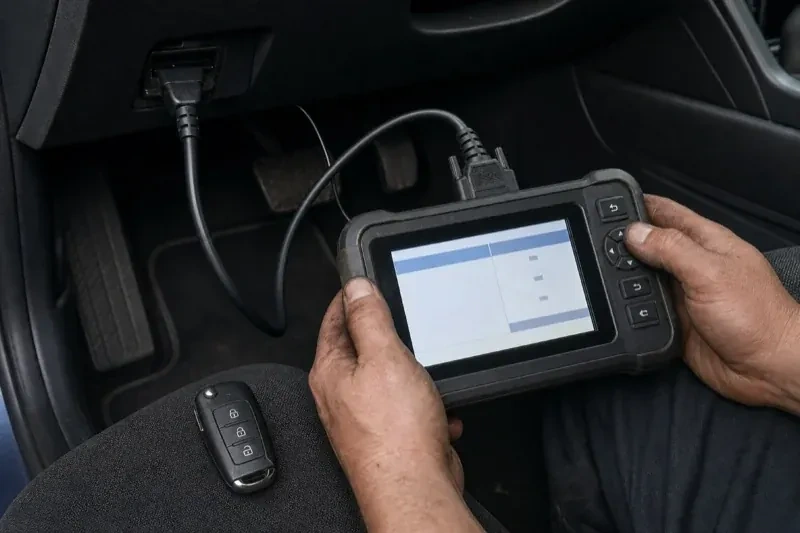
The engine cranks, catches for a second and dies, and a small key-shaped light keeps blinking on the dash. The blade turns the ignition and the doors perfectly well, but the car has stopped recognizing the chip inside the key.
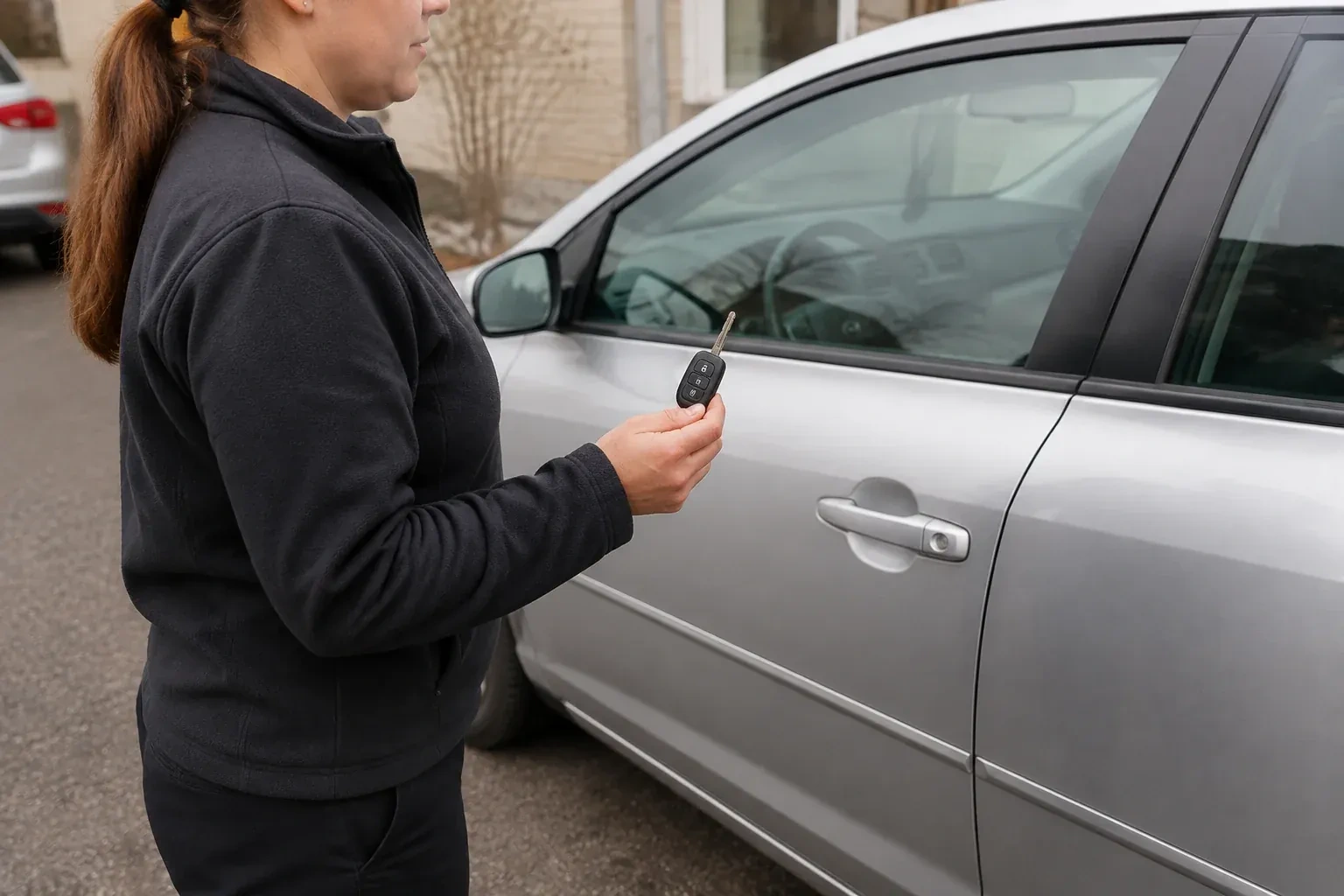
A cracked case or a spin through the wash left the fob unresponsive, and opening it up reveals a slightly corroded board where the buttons used to sit. The mechanical blade still turns the lock on its own, but the wireless side of the fob has gone silent.
My key has a chip in it. Does that survive the break?
Usually yes. The transponder chip and the remote electronics live in the plastic head, and the head is the part that stays in your hand when the blade snaps. Once the blade is extracted, a new blade of the right profile is cut and fitted to the old head, so the vehicle continues to recognize the chip without reprogramming. Only a cracked or soaked head needs the electronics moved to a new shell.
How do I check that the repair is holding over the following months?
Once a month for the first season, throw the deadbolt with the door closed and feel for drag or a stop short of full extension, and press on the strike and hinge screws with a screwdriver to confirm they are snug. Repeat at each change of season, since wood moves with humidity. A door that starts needing a shoulder, or a bolt that catches on the strike lip, wants a small adjustment early rather than a repeat of the original problem.
My key is worn. Would a new copy have prevented this?
Possibly, if the key was part of the cause. A worn or bent key lifts the pins short of the shear line, so the plug binds even in a healthy cylinder, and a copy made from that key repeats the wear. A key cut from the code or from a crisp original is the fix. If the lock was also gritty or the door had moved, the new key would have eased things without settling them, which is why the locksmith checks all three.
Can I get a spare key cut for a family member later?
Yes, either during the same visit or afterward, as long as it is cut from the new cylinder's combination rather than copied from an already-worn key. Cutting it while the locksmith is present avoids a second stop at a hardware store and confirms the spare works before anyone relies on it.
Do I need to replace my whole deadbolt or just the cylinder?
It depends on what you have. If the deadbolt is a good heavy unit that throws a full inch into a proper strike, a high security cylinder can replace the ordinary one and the rest stays. If the deadbolt is light, worn or throws a short bolt, a new graded deadbolt with a hardened bolt is the sensible base and the high security cylinder goes into that. The assessment tells you which, door by door.
Can the system be expanded to more doors later?
Yes. A system installed with some spare capacity in its controller and power supply can usually take another door or two by adding a reader and lock and wiring it back in. A door far from the existing wiring can instead run its own standalone unit. Either way, existing schedules and credentials do not need to be rebuilt from scratch.
Will opening the car damage the paint, the door or the seal?
A professional opening leaves nothing behind. Door-edge guards sit between tools and paint, the air wedge is inflated in small steps so the frame flexes evenly and returns to shape, and the reach tool is padded. Where the car has a door cylinder, a matched pick-and-decoder turns it exactly as a key would. Any mark already present is pointed out before work begins, and the door, glass and seal are checked over at the end.
The car is leased or belongs to my employer. Can you still make me a key?
Yes, with the right paperwork. For a leased car, the lease agreement in your name together with your identification and the permit covers it. For a company vehicle, the locksmith needs authorization from the business: a work order, purchase order or letter naming the VIN and the person collecting the key. Mention the arrangement when you call so the correct document is ready and the record can be completed properly.
Can you program a fob for a new driver without touching the fobs we already use?
Yes. Adding a fob for another driver joins it to the vehicle's accepted list alongside the fobs already there, and on many vehicles the ones already in daily use are not re-registered or disturbed in the process, though some procedures need every fob present and re-registered together. Each fob keeps its own identity in the vehicle's memory even though they all operate the same doors and engine.
Request a visit
Households in Guildwood Village often collect locks from different decades that all take different keys. We rekey them to a single key where the hardware allows, replace the one or two that cannot be matched, and set up a spare that lives somewhere sensible. You leave with a lighter ring and a clear idea of which key does what.