Change or rekey · West Hill
Gate & Building Entry Locks in West Hill
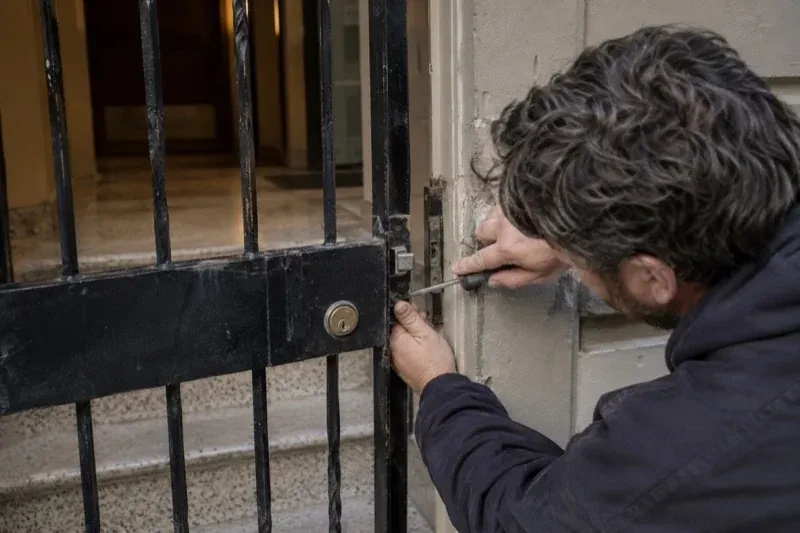
Every time the courtyard gate closes, it slams hard enough to rattle the fence panels, and the deadlatch never quite drops into the keeper before the spring yanks it the rest of the way.
In plain words
Hardware bolted to a gate or an exterior building door lives outside every day of the year, which is a different job from a lock tucked behind a storm door. This service treats that exposure as the starting point: cylinders rated for weather, fasteners that resist road salt, and a closer set up to keep working through a freeze-thaw cycle rather than seizing at the first cold snap. The result is a gate or entry that keeps operating through the season it is most likely to struggle in.
How the visit goesSomeone pried at the gate latch overnight, and now the strike plate hangs by one screw and the cylinder spins loose in its housing. The gate still closes, technically, but a firm shoulder is all it would take to open it from outside.
Gate & Building Entry Locks
How the visit goes
Checking the closer and hinges together
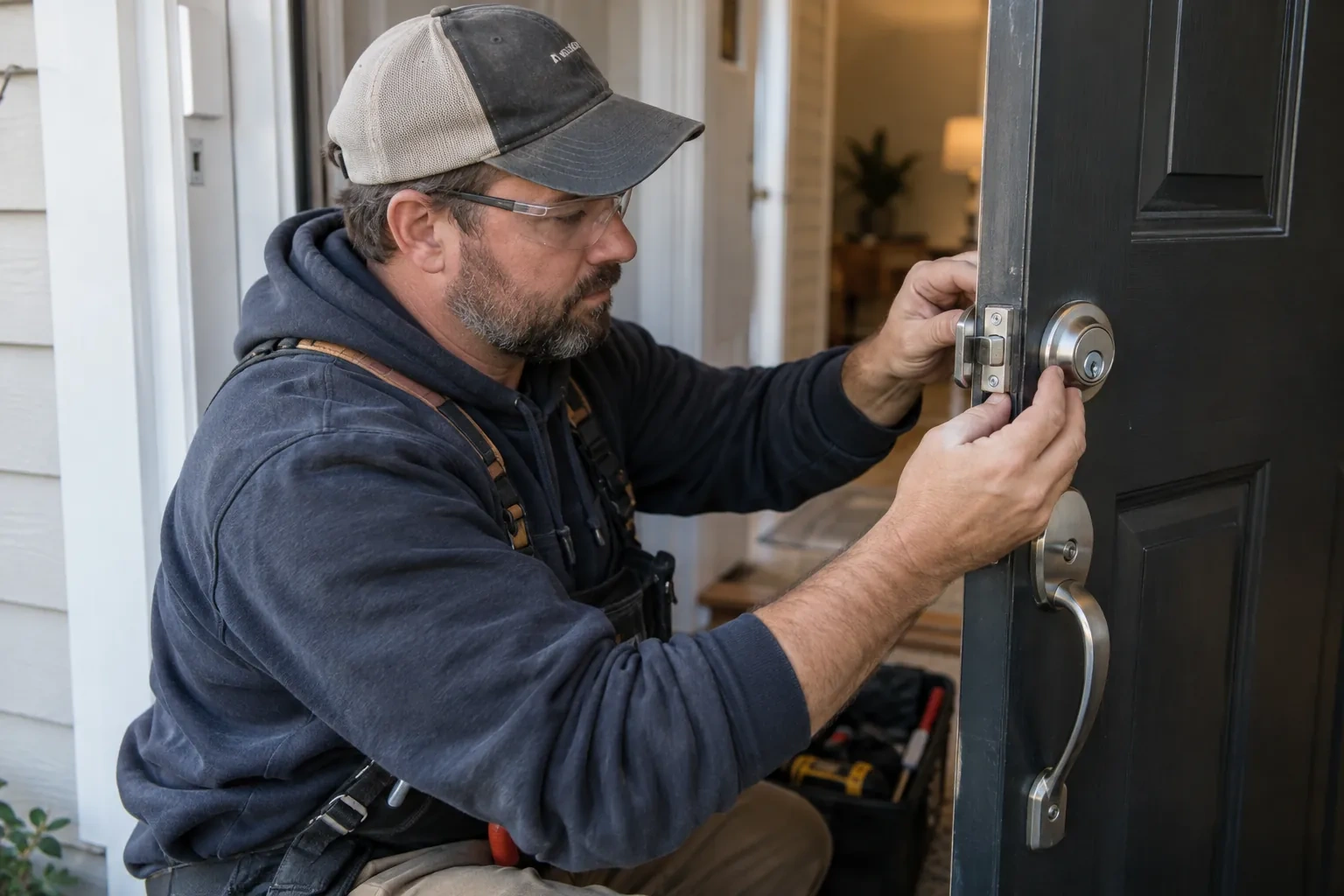
A closer cannot be judged on its own, because a gate that slams or drifts open is often fighting hinges or a post that have moved. The locksmith checks the closer's current adjustment, the condition of its arm and fittings, and then the hinges or pivots the gate hangs from, along with whether the post itself still stands square. Separating a closer problem from a hinge or post problem here avoids replacing a perfectly sound closer that was only ever fighting a leaning post, or the reverse case.
Working on the cylinder itself
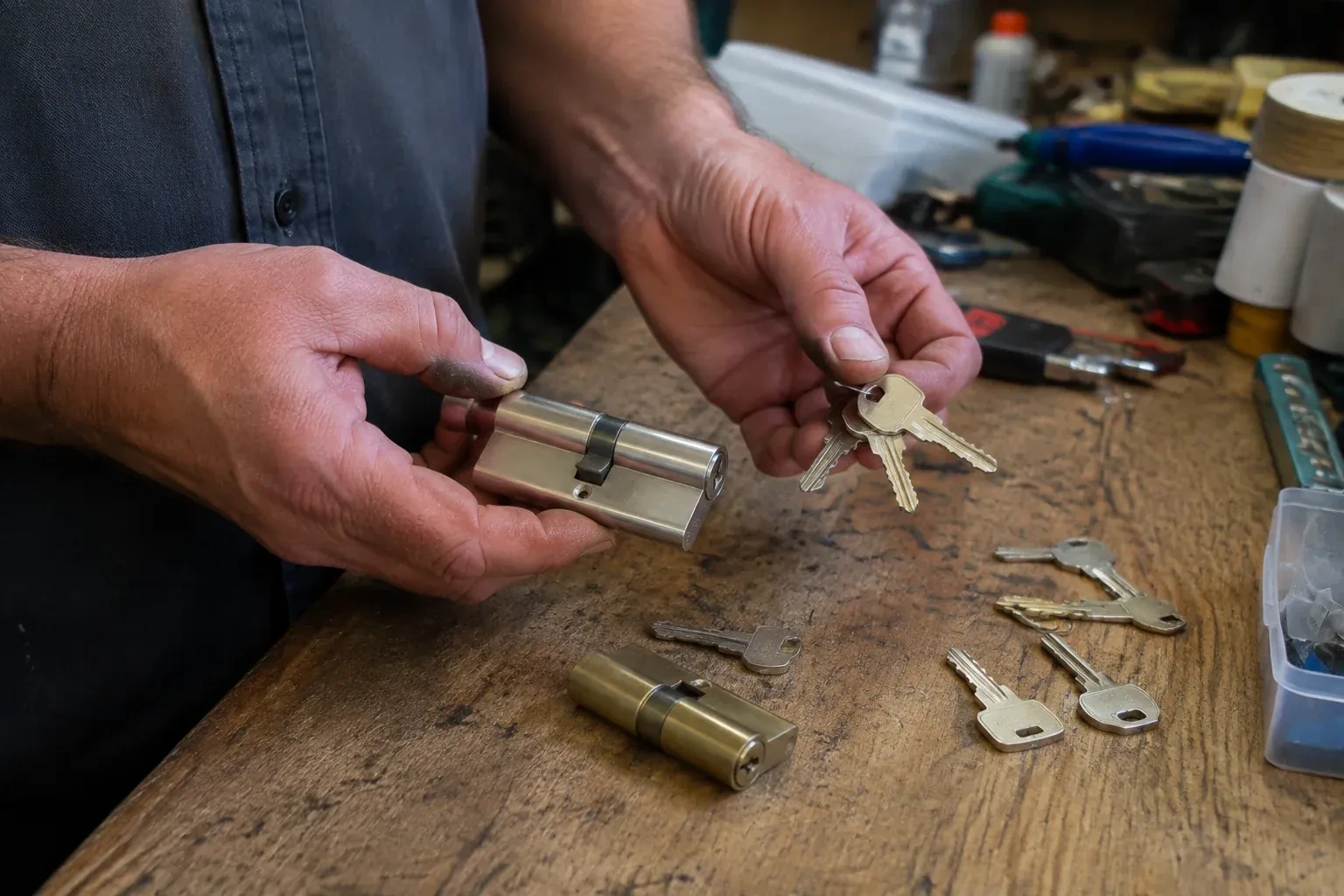
Depending on what the assessment found, the cylinder is either rekeyed, replaced with a weather-rated unit, or decoded so a fresh key can be cut to match it. Rekeying removes the existing pin combination and sets a new one, so old keys stop working while the same housing stays on the gate. A full replacement suits a housing that is worn, pitted or the wrong grade for outdoor use. Either way, the new or updated cylinder is cycled repeatedly with the new key, from both sides where the hardware has two, before it is considered finished.
Nothing left half-finished after a break-in attempt
Where the visit followed prying, cutting or an attempted entry, you leave with every damaged piece accounted for: what was replaced, what was straightened, and what was simply cleaned up and reused because it tested sound. The gate or door is shown closing, latching and locking normally, and any weak point the attempt revealed, such as an undersized hasp or a strike with too little bite, has been addressed rather than left as it was found.
Gate & Building Entry Locks
In the van
Hinges, pivots and shims
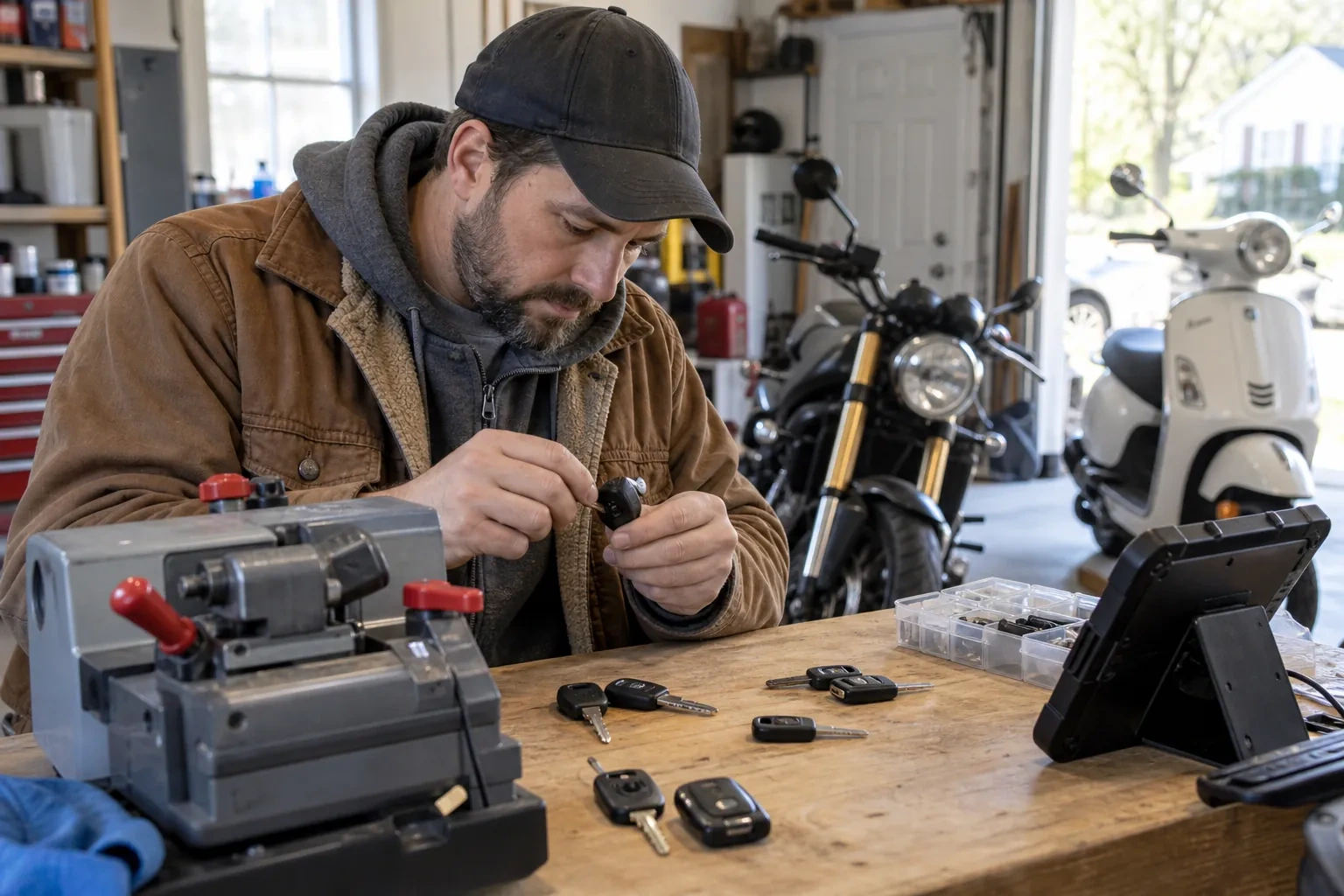
Key blanks and code cutter
Dry graphite or PTFE lubricant
Cylinder decoder and pick set
Weather-rated cylinders
Gate & Building Entry Locks
What affects the quote
Type and grade of the gate or door lock
A basic surface-mounted gate latch, a weather-rated cylinder, a mortise case and a panic device on a building entry each take different parts and different amounts of time to service, and that difference is reflected in the quote.
Any upgrade chosen while the locksmith is already there
Some property owners use the visit to move to a heavier closer, an electric strike, a master key system or additional padlocks for other gates. None of this is required to address the original problem; each option is priced as a separate line.
Master key or keyed-alike planning
Setting up a master key system, or bringing several separate locks onto one shared key, involves planning the pinning structure across every cylinder involved, which is more work than rekeying one lock in isolation.
What to have ready
- Is the gate sagging, dragging, or hard to close by hand?
- Is there any sign the gate or lock was recently forced?
- Are there other gates on the property that should share a key?
Gate & Building Entry Locks: questions
QuestionsWhat information over the phone helps identify the hardware before the visit?
A photo of the lock, the gate or the entry door, taken from a few steps back and up close on the cylinder, tells the locksmith more than a verbal description usually can. Mentioning whether the gate is wood, metal or vinyl, roughly how the property is laid out, and whether the entry has any buzzer, keypad or electric component narrows down what hardware and parts to bring. None of this is required, but it does shape what shows up in the van.
How do you decide whether to repair a gate lock or replace it?
The decision follows what the assessment actually finds rather than the age of the hardware alone. A cylinder that is only stiff or slightly worn is usually serviced and left in place, while one that is pitted, cracked or built to a grade unsuited to its exposure is replaced. The same logic applies to a closer or hinge: adjustment first, replacement only once the part itself has genuinely failed. You are told which category the hardware fell into and why before any work proceeds.
What is a good option for a gate that delivery drivers or a maintenance crew need occasional access to?
A keypad or a lockbox with a rotating code works well there, since access can be shared without handing out a physical key that has to come back later. A weather-rated cylinder with a separate access key is another option if the property already runs on a keyed system. The locksmith can talk through how often the code should change and who on site should know it, so the gate stays convenient without staying open to everyone.
Related services
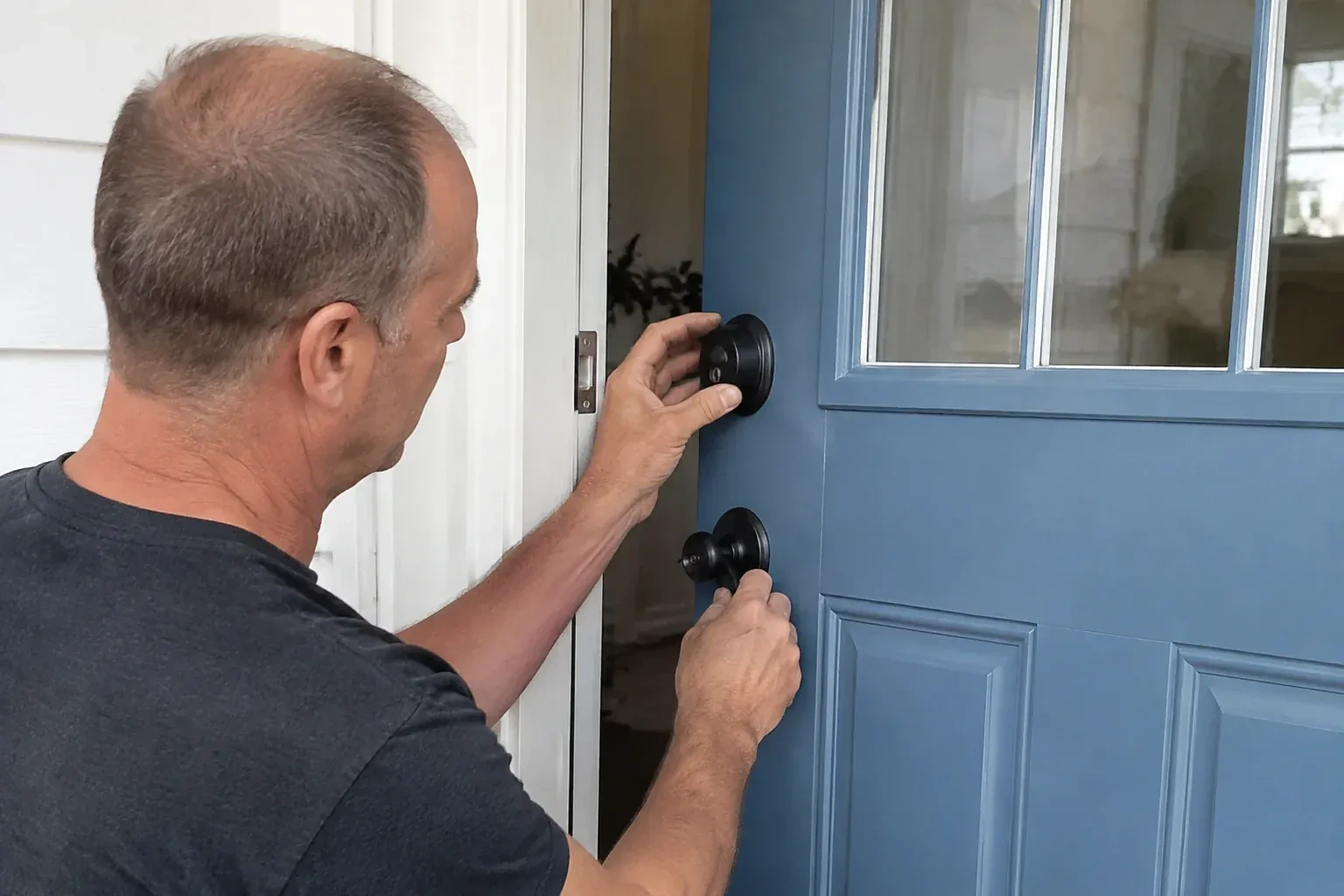
- Deadbolt InstallationYou bought a keypad deadbolt online and pulled the old one off, only to find the hole in the door is a different size and the bolt latch sits at a backset the new kit does not list.
- Lock Replacement & UpgradeThe brass handleset has gone blotchy and green where the winter salt reaches it, and the coating on the deadbolt is lifting in flakes.
- Vintage Mortise Lock ServiceThe brass knob on the front door of your century home turns, but nothing happens on the other side.