Guildwood Village Locksmith Pros · Toronto
Lock Replacement & Upgrade: step by step
Locksmith · Toronto, Ontario
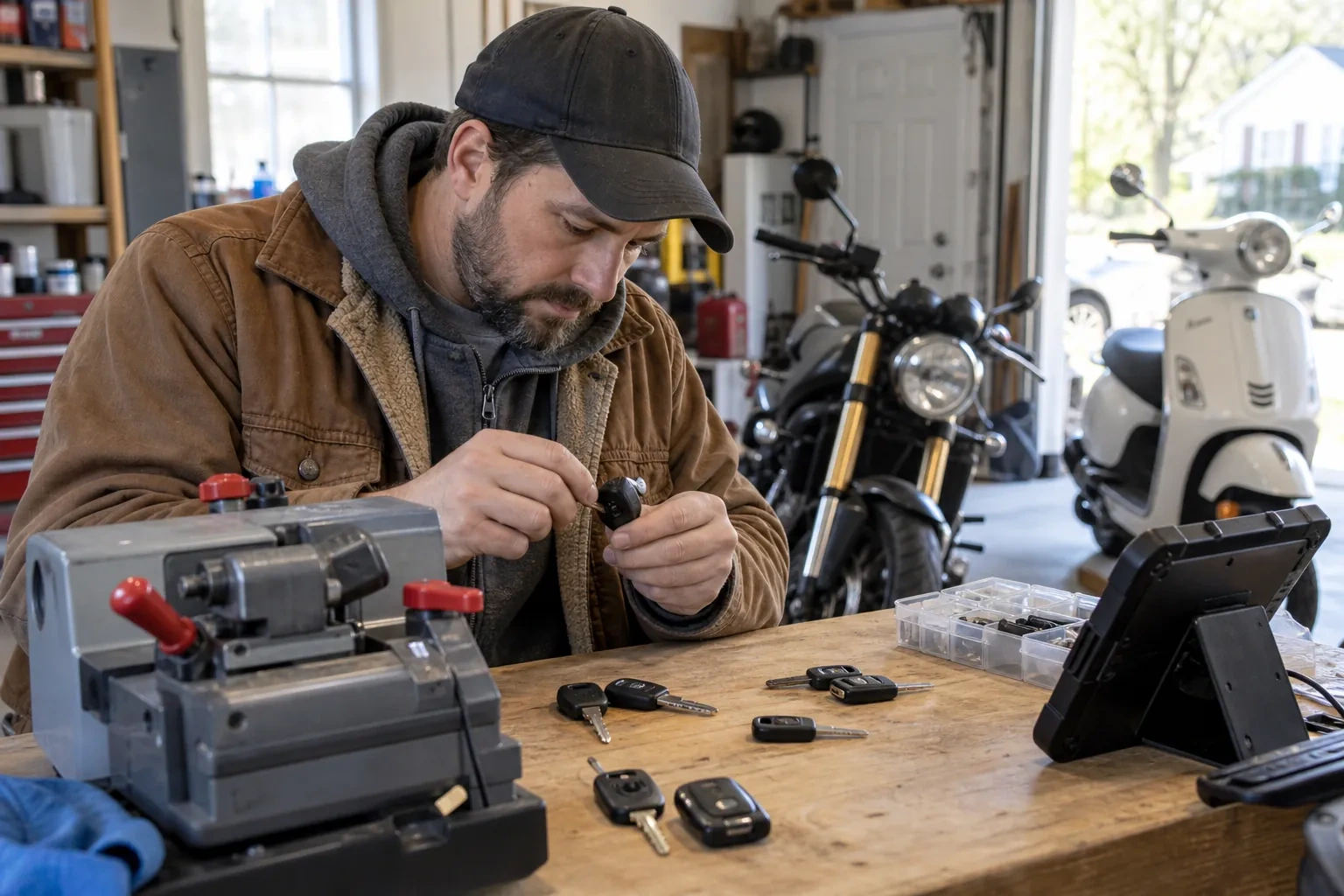
Not every complaint about a lock ends in a new lock, and a good visit says so. A cylinder that turns stiffly may only need cleaning and fresh pins; a lost key calls for rekeying, which keeps the hardware and changes the key; a loose lever often wants a tightened spindle. Replacement earns its place when the mechanism is worn through, the housing is damaged, the grade was never adequate for the entrance, or you want a different function, finish or a keypad. The locksmith lays the three routes side by side so the choice rests on what the door needs rather than on what is in the van.
The key plan for the whole house
A lock is only half of a system; the other half is who holds which key. The locksmith asks how many exterior doors there are, which ones should open with the same key, whether a garage man-door or a shed should join them, and who in the household needs a key of their own. If keys have been lent out over the years, the plan can retire all of them at once. Where copying keys without permission is a worry, a restricted keyway can be offered. Settling this before the hardware is chosen means the new locks arrive ready to be pinned alike rather than fixed up afterwards.
Adapting older and unusual doors
Not every door is a standard modern slab. A century home with a mortise lock may keep its case and get a new cylinder and strike, or take a filler plate that lets a cylindrical deadbolt sit where the old case was, without hacking at the original stile. A door thicker than 45 millimetres gets extended spindles and screws. A sliding patio door gets a replacement mortise hook lock or a keyed surface bolt sized to the rail. Steel and fibreglass doors are drilled only with the right bits and a jig, and a new deadbolt above an existing knob is bored with a template so it sits square.
Simple habits that keep new hardware new
New locks ask very little. Once or twice a year, or at whatever interval the lock maker specifies, a puff of the lubricant that maker calls for in the keyway and a few turns of the key keep the pins moving freely, since the wrong product for that cylinder gathers grit instead of helping it. In winter, wipe salt spray off the exterior hardware when it appears, since salt is the finish's main enemy here. Each spring and fall, check that the hinge and strike screws are snug, because wood doors move with humidity and a dropped door makes a good lock feel worn. A key that starts to need coaxing is an early word from the cylinder.